3 Migraine Triggers That Show Up Hours After the Meal
Aged cheese, cured meats and a stop-start coffee habit all sit on migraine trigger lists. Here is what the evidence supports, and what to swap first.
A migraine attack that starts hours after the meal is hard to connect to anything you ate. The pain builds on one side, light and sound turn unbearable, and by then lunch is a distant memory. Roughly three quarters of people with migraine can name at least one thing that seems to set an attack off, but food sits in an awkward place on that list: it is one of the most talked-about triggers and one of the least consistent. Here is what the research supports about three common suspects, and what is worth changing before you start cutting foods out.
Aged Cheese and Red Wine: The Tyramine Question
Tyramine is a compound that builds up as protein breaks down, which is why it accumulates in cheeses that spend months ripening and stays low in cheeses that do not. Once absorbed, it prompts sympathetic nerve endings to release norepinephrine, which narrows blood vessels and then lets them widen again. Monoamine oxidase normally clears most tyramine before it reaches general circulation, so how much gets through varies a great deal from person to person.
How often does this actually happen? Less often than the reputation suggests. In a British migraine clinic series of 429 patients, 16.5% reported that cheese or chocolate could set off a headache — and nearly always both together rather than cheese on its own. Red wine is a separate story: alongside tyramine it carries histamine and polyphenols, and alcohol on its own widens blood vessels. In one controlled challenge, red wine provoked attacks only in the participants who already suspected it, which is a useful reminder that these triggers run individual rather than universal.

Cured Meat and the Nitrite Route
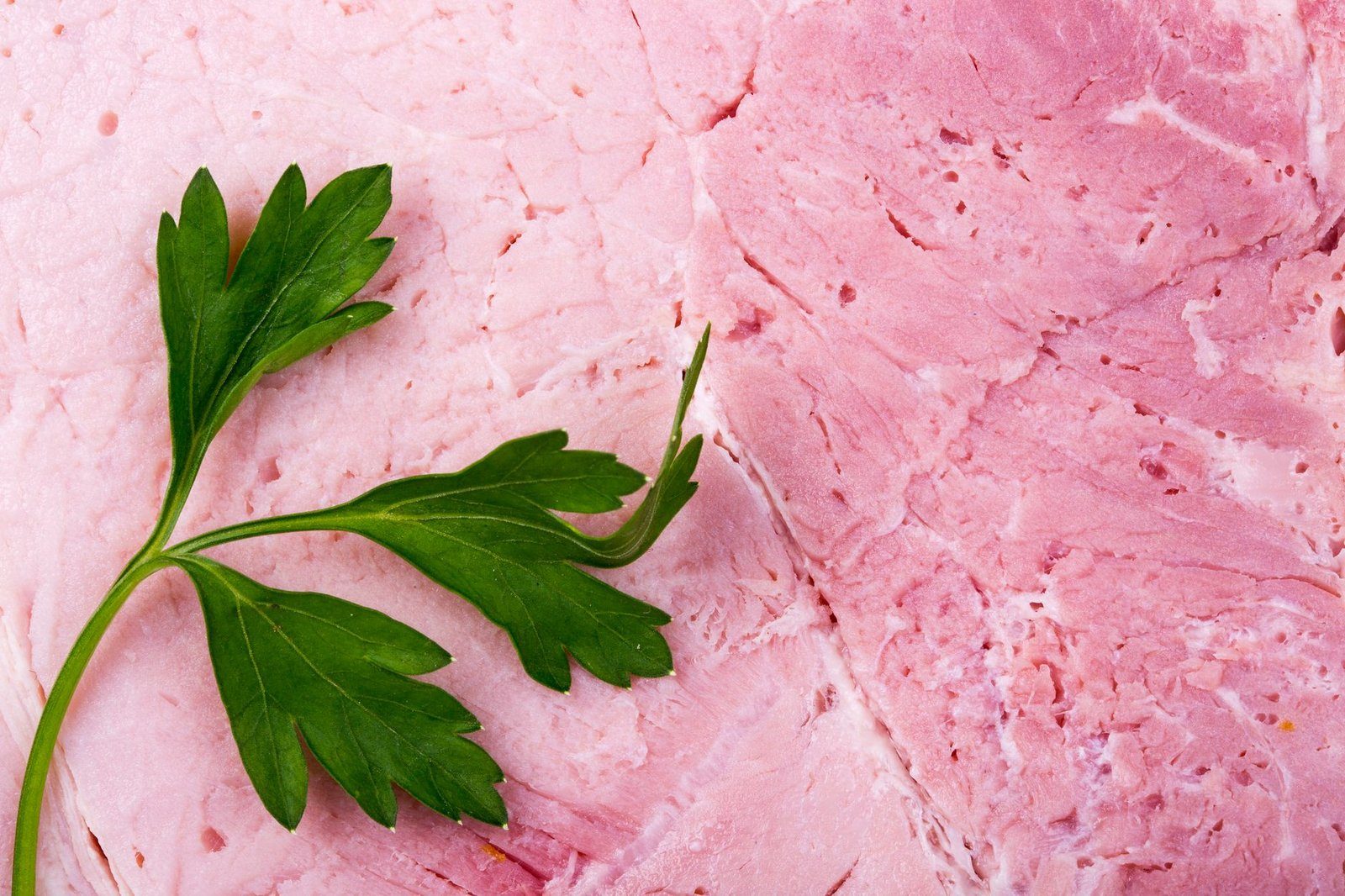
Sodium nitrite goes into bacon, hot dogs, ham and salami to fix the pink color and to hold back the bacteria behind botulism. In the body a portion of it converts to nitric oxide, a signalling molecule that relaxes and widens blood vessels. The connection was documented in a 1972 report in The Lancet describing a man whose headaches followed cured meats and could be reproduced with nitrite under blinded testing, which is where the nickname "hot dog headache" comes from. Estimates put the share of people with migraine who notice a headache after processed meat at around 5 percent, usually within minutes to a few hours.
The Coffee Habit That Backfires on Weekends
Caffeine has a formal place in headache medicine. The International Classification of Headache Disorders lists caffeine-withdrawal headache: a headache appearing within 24 hours of stopping, in someone who had been taking more than 200 mg a day for over two weeks, and resolving within seven days without further caffeine. Two mugs of brewed coffee land right around that threshold, which is why a Saturday without the usual desk coffee can produce a real attack rather than a vague slump.
Direct trial evidence is thin. Caffeine-withdrawal headache is characterised well enough to carry its own diagnostic entry, but there is little controlled trial data on stopping caffeine specifically in people who already have migraine, which is why the guidance below is about steadiness rather than a tested protocol. The practical guidance from the American Migraine Foundation is not abstinence but steadiness: hold intake at or below roughly 200 mg a day, keep it similar from one day to the next, and if you want less of it, step down by about 25 percent a week.

3 Swaps Worth Trying Before You Cut Anything Out
- Fresh cheese in place of aged — mozzarella, ricotta, cottage cheese and cream cheese have had almost no protein breakdown, so tyramine stays at the bottom of the range. Laboratory surveys of unripened styles have repeatedly come back at zero, while ripened cheddar climbs with age.
- Read past the "uncured" label — deli meats marked "no nitrates or nitrites added" are usually cured with celery powder, which supplies nitrate that turns into nitrite anyway. Roast chicken, turkey or beef sliced at home is the cleaner comparison while you are testing.
- A flat caffeine line, not a cliff — the same amount on Tuesday and on Sunday matters more than the total. If the morning cup is the part you actually want, blending in decaf over several weeks keeps the ritual without the drop.
One Change to Make This Week
Pick a two-week window and write down what you ate in the 24 hours before each attack, not only the meal immediately beforehand. The gap between a food and an attack is often long enough that memory alone points you at the wrong thing, and a food that appears to trigger an attack one week is frequently tolerated the next when you are rested and have eaten regularly. Once something shows up twice, dropping that single item is a reasonable experiment; dropping an entire list on principle mostly costs you variety. This article is general information rather than medical advice, and headaches that are new, unusually severe, or shifting in pattern are worth taking to a doctor.
Related articles
 4 min read0 views
Hair Shedding Isn't Hair Loss, and Diet Only Fixes One of Them
More hair in the drain usually means shedding, not balding. Here is what diet really changes, and the one lab number worth checking first.
 3 min read4 views
Itchy, Flaky Scalp No Shampoo Can Fix? Here's Why
Scalp itching and dandruff that won't quit may trace back to sugary snacks, dairy, and fried food, not your shampoo. The science, plus swaps that help.
 4 min read0 views