Hair Shedding Isn't Hair Loss, and Diet Only Fixes One of Them
More hair in the drain usually means shedding, not balding. Here is what diet really changes, and the one lab number worth checking first.
Finding more hair than usual on the pillow or circling the shower drain is unsettling, and the first instinct is usually to blame something on the plate: too much sugar, too much fried food, too much salt. Dermatologists split this complaint into two separate problems with two separate answers, and diet has a documented role in only one of them. Working out which one you are looking at is what decides whether changing your groceries is worth anything at all.
Shedding and Loss Run on Different Clocks
The American Academy of Dermatology puts normal daily shedding at 50 to 100 hairs a day. Losing noticeably more than that has a name, telogen effluvium, and it typically shows up a couple of months after a specific stressor rather than gradually. The AAD's list of common triggers is worth reading closely: losing 20 pounds or more, giving birth, a high fever, an operation, recovering from illness, sustained stress, or stopping birth-control pills. This kind of shedding is temporary — as the body readjusts, hair tends to regain its normal fullness within six to nine months.
True hair loss works differently. Something stops the hair from growing in the first place, and the AAD's most common causes are hereditary loss, an overreacting immune system, certain drugs and treatments, tight hairstyles, and harsh products. Hair will not regrow until that cause stops, which is why hereditary loss keeps advancing regardless of how clean the diet is. In men it usually shows as a receding hairline or a thinning patch starting mid-scalp; in women it tends to be gradual, diffuse thinning.

Where Food Genuinely Matters, and Where It Backfires
In a review of the diet and hair-loss literature, dermatologists Emily Guo and Rajani Katta describe acute telogen effluvium as a well-known effect of sudden weight loss or reduced protein intake. Hair follicles are among the most metabolically active tissue in the body, so aggressive calorie cutting is one of the few eating patterns with a clear documented link to shedding. Iron is the other one worth taking seriously: the same review calls iron deficiency the world's most common nutritional deficiency and a well-known cause of hair loss, and notes that low ferritin turns up more often in people with chronic telogen effluvium and with pattern hair loss. Vegetarianism appears on their list of dietary risk factors on the zinc side, partly because the legumes and whole grains it leans on contain phytates that bind zinc and inhibit its absorption.
The surprise runs in the opposite direction too. That review reports that over-supplementation of selenium, vitamin A, and vitamin E has been linked to hair loss, and that hypervitaminosis A from over-supplementation has a strong known link to hair loss. Biotin, the ingredient most hair gummies lead with, is a weak bet by comparison: intestinal bacteria normally produce enough of it, deficiency is rare, and no clinical trial has shown biotin helps hair loss in people who are not actually deficient. Spending on a mega-dose bottle can move you further from the goal, not closer.
Get a Ferritin Number Before You Buy Anything
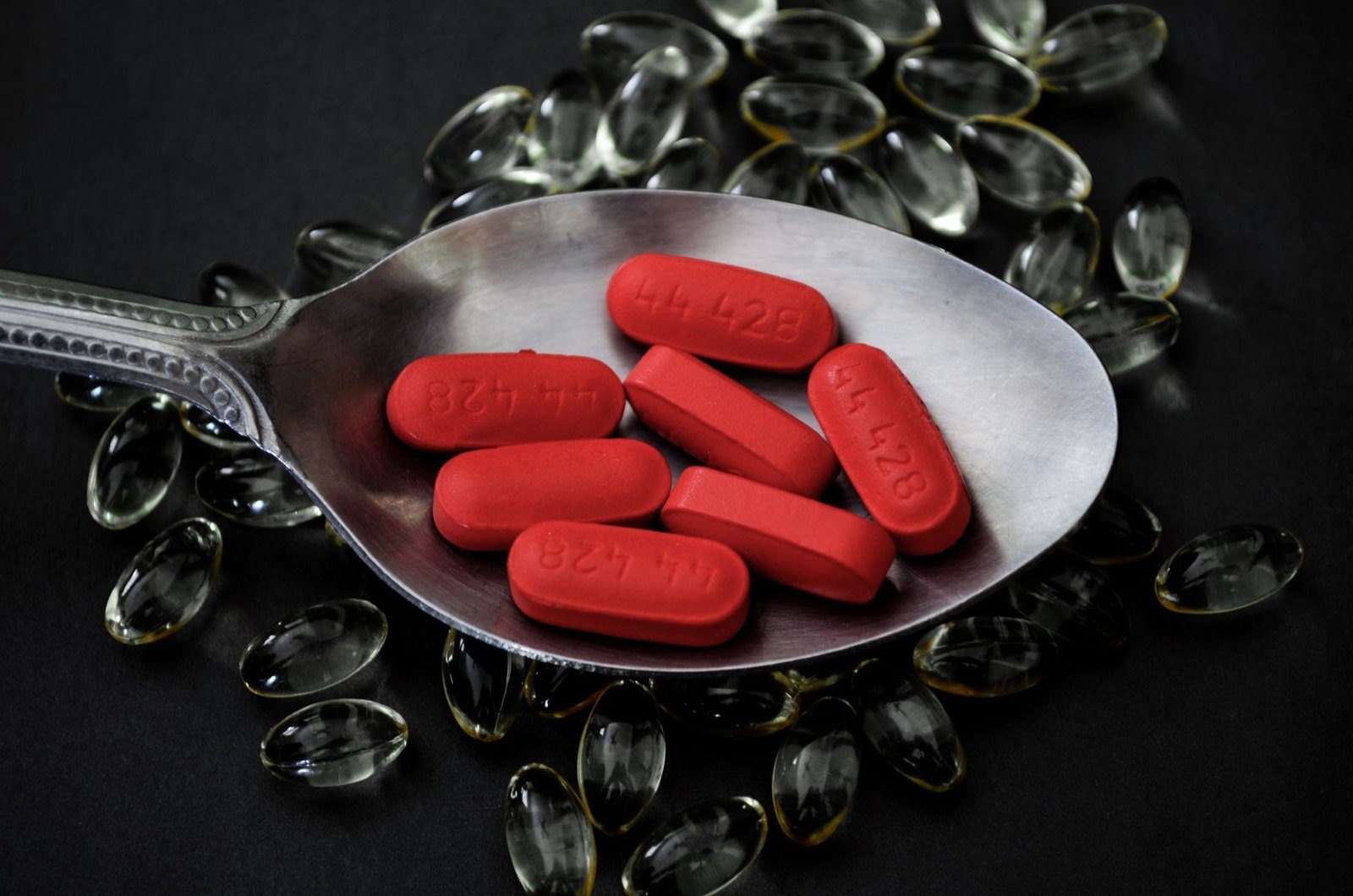
- Ask for iron studies rather than a hair vitamin — Guo and Katta note that treatment guidance for iron deficiency aims at ferritin levels above roughly 50 µg/L, a target a supplement bottle can neither measure nor confirm. A blood panel tells you whether iron is even part of your picture.
- Eat enough before you eat differently — if the shedding started two or three months after a crash diet, the useful change is restoring calories and protein, not swapping which snack you cut. Eggs, dairy, fish, beans and lean meat cover protein and, in the case of red meat, heme iron the body absorbs more easily.
- Choose food over mega-doses for antioxidants — the same review points out that compounds inside fruits, vegetables and grains may be safer and healthier than isolated high doses in supplements, which at high concentrations can tip from antioxidant to pro-oxidant.
- Watch the pattern, not the daily count — diffuse thinning all over reads differently from a receding hairline or a distinct bald patch, and a dermatologist can tell hair loss from hair shedding, or spot both at once.
One Question Worth Asking This Week
Look back roughly three months from the day you first noticed the extra hair. Was there a stressor there — a crash diet, an illness, an operation, a birth, a stopped prescription? If you can name the event, you are most likely looking at shedding rather than loss, and eating enough while the body catches up is the whole job. If you cannot name one, and the thinning is following a pattern instead of covering the whole scalp, food is unlikely to be the lever and a dermatologist is the better next stop. Anything that comes with round bald patches, a painful, red or scaling scalp, or hair loss alongside other unexplained symptoms deserves a medical opinion sooner rather than later. This article is general information and not medical advice.
Related articles
 3 min read4 views
Itchy, Flaky Scalp No Shampoo Can Fix? Here's Why
Scalp itching and dandruff that won't quit may trace back to sugary snacks, dairy, and fried food, not your shampoo. The science, plus swaps that help.
 4 min read0 views
3 Migraine Triggers That Show Up Hours After the Meal
Aged cheese, cured meats and a stop-start coffee habit all sit on migraine trigger lists. Here is what the evidence supports, and what to swap first.
 3 min read5 views