Constipation: 3 Everyday Habits That Quietly Make It Worse
Refined staples, a cheese-heavy plate and a sudden fiber jump each slow things down. Here is what US guidance and a 2021 trial actually found.

Going three or four days without a bowel movement, then straining through a hard one, is common enough that most people file it under bad luck. In practice a fair amount of it tracks back to a handful of ordinary daily choices: what fills most of the plate, how much dairy gets stacked on top, and how fast someone tries to fix things once they finally notice. Adults in the United States are advised to get 22 to 34 grams of fiber a day depending on age and sex, and each of the habits below quietly works against that number.
1. Building Meals Around Refined Staples
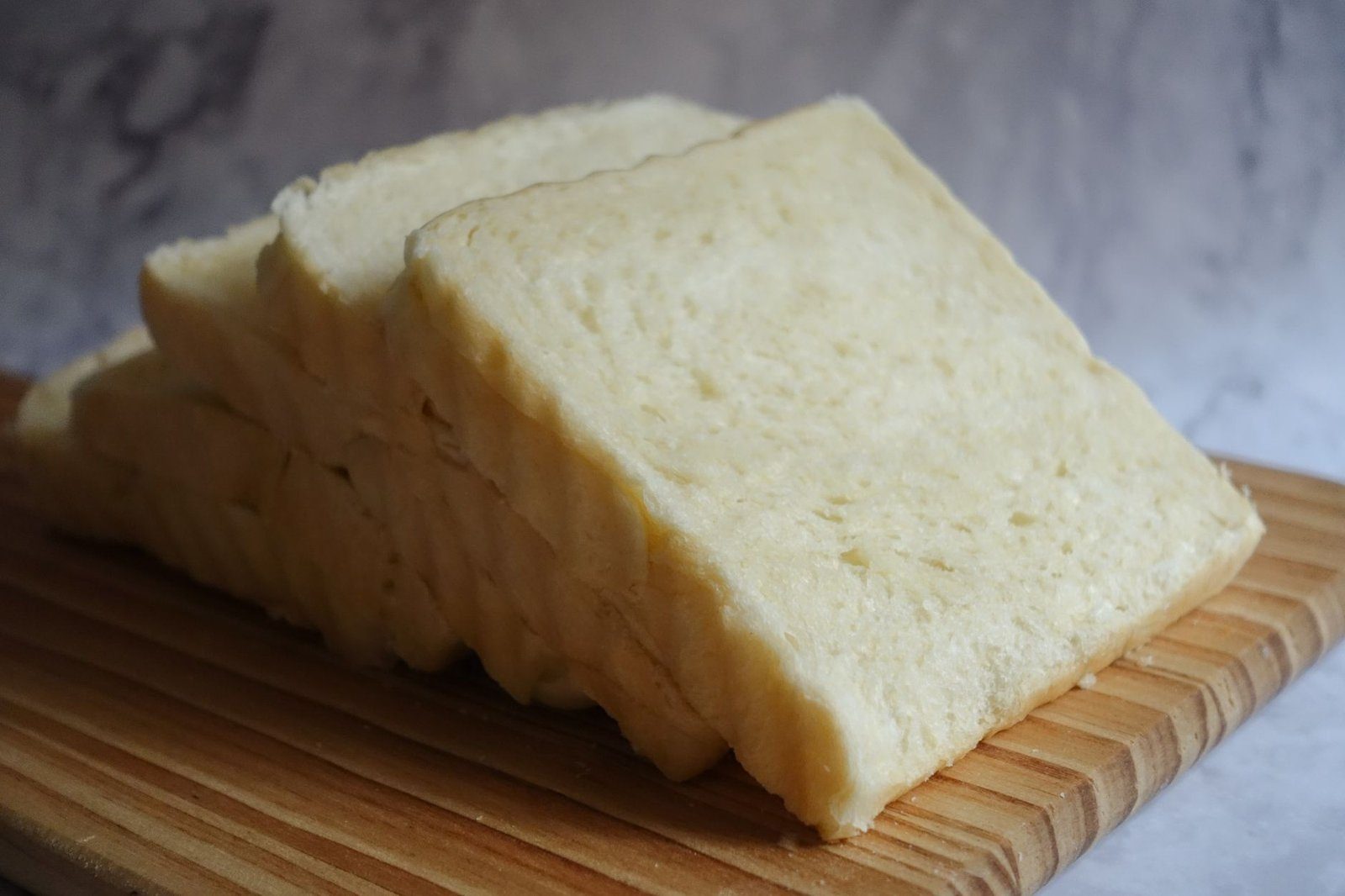
White bread, pizza dough, pastries and most packaged snacks start from flour that has had the bran and germ milled out, and most of the fiber leaves with them. Fiber is what gives stool bulk and holds water inside it, so a day built on refined staples simply produces less material for the colon to move along. Johns Hopkins Medicine separates the two forms that matter here: insoluble fiber passes through largely intact and adds roughage, while soluble fiber dissolves into a gel that adds bulk and softness. Refined products are short on both. One slice of white bread is not the issue — it is refined grains crowding out everything else, meal after meal.
2. Leaning on Cheese When the Rest of the Plate Is Thin
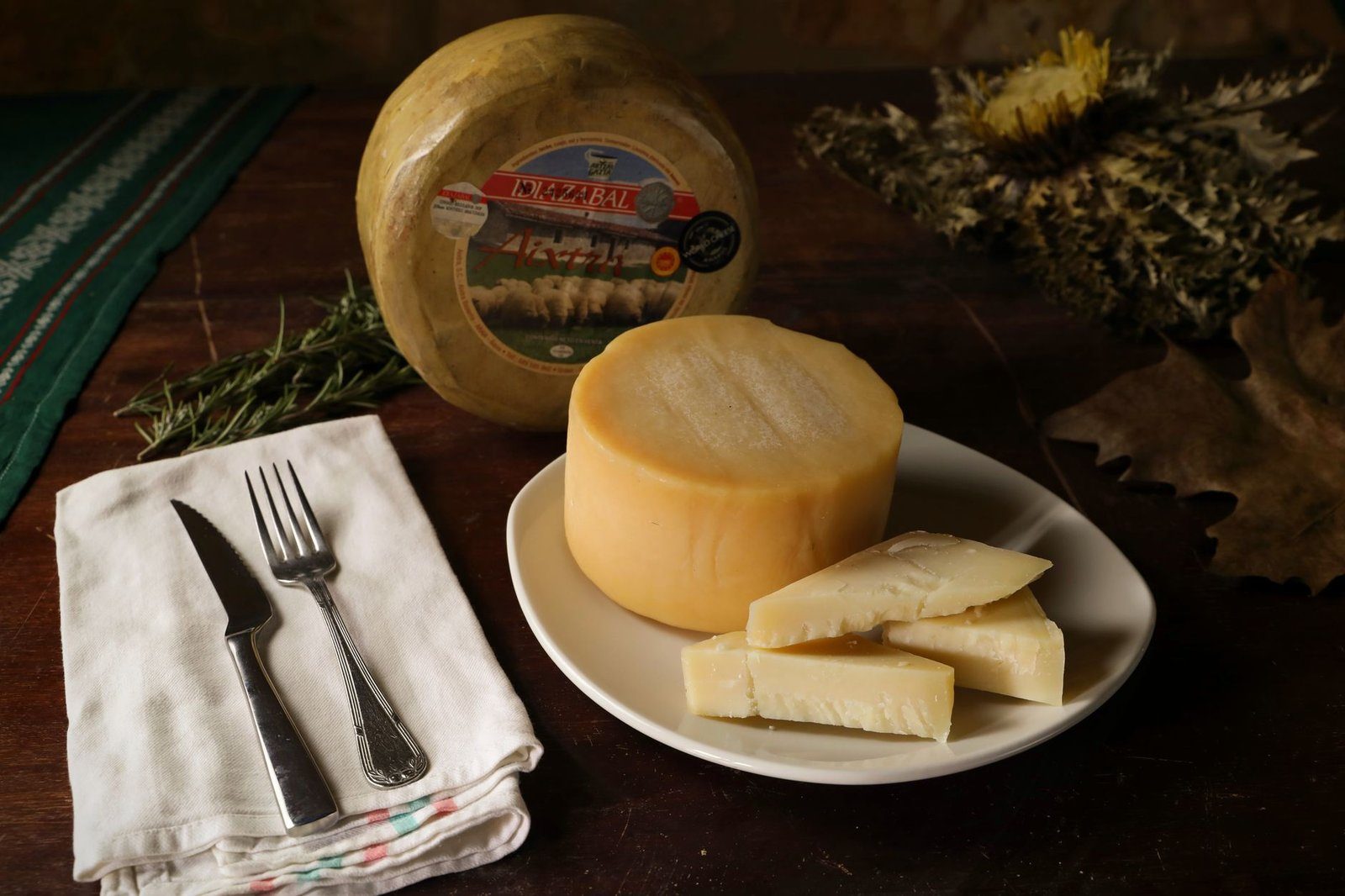
Cheese gets singled out for a reason. Cleveland Clinic gastroenterologist Christine Lee, MD, points to two things happening at once: dairy is high in calcium, which has binding properties, and it carries essentially no fiber, so it occupies room on the plate without contributing anything that helps stool move. That is why a cheese-heavy day can feel different from a bean-heavy one at similar calories. There is a separate and much narrower line of evidence in children, where studies of cow's milk protein elimination in constipated kids have reported response rates in the range of 78 to 80 percent, but that finding is about milk protein allergy in children and does not transfer to adults. For most grown-ups the issue is displacement, not allergy.
3. Jumping Straight to a Big Fiber Load
The usual reaction to a slow week is to double the vegetables and start a fiber supplement on Monday morning. That tends to backfire. NIDDK advises building fiber up gradually, on the order of 2 to 3 grams a day, because a sudden jump brings gas, cramping and bloating, which is precisely what makes people quit by Thursday. Fluid belongs in the same sentence: soluble fiber only forms its gel when there is water to work with, so a large fiber increase with unchanged drinking can leave stool firmer rather than softer.

3 Swaps With Real Trial Data Behind Them
A four-week comparative effectiveness trial published in the American Journal of Gastroenterology in 2021 put three common self-treatments head to head in US adults with chronic constipation, all of whom were having three or fewer complete spontaneous bowel movements per week.
- Two green kiwifruit a day — improved stool frequency, consistency and straining, and came with the lowest rate of adverse events and the lowest dissatisfaction of the three arms.
- 100 g of prunes a day — comparable gains in frequency, consistency and straining; the sorbitol in prunes draws water into the colon alongside the fiber itself.
- 12 g of psyllium a day — raised bowel movement frequency and eased straining, and is the easiest of the three to scale up in small steps.
All three worked. What separated them was tolerability, which counts for more than it sounds when a plan has to survive a full month.
Pick One Thing for Tomorrow
If only one change gets made this week, make it a swap rather than an addition: put two kiwifruit or a small handful of prunes where tomorrow's afternoon pastry would go, and leave the rest of the day alone until that feels routine. Stacking a second change on top of a first one that has not settled is how most fiber plans fall apart. This article is general information and not medical advice — blood in the stool, unexplained weight loss, or a change in bowel habit lasting more than a few weeks is a reason to see a doctor rather than to keep experimenting at home.
Related articles
 3 min read2 views
Nighttime Heartburn? Blame Coffee, Soda, and Fried Food
Coffee, soda, and late-night fried food can raise stomach acid and pressure, triggering heartburn. Here's the science and simple swaps that actually help.
 6 min read0 views
Collagen Loss: It's Damage, Not Just Decline
Sun exposure, cigarette smoke and excess sugar break skin collagen down through MMP-1 and glycation. The mechanisms, the trial evidence, and what to change.
 5 min read0 views