Itchy, Flaky Scalp No Shampoo Can Fix? Here's Why
Scalp itching and dandruff that won't quit may trace back to sugary snacks, dairy, and fried food, not your shampoo. The science, plus swaps that help.
If your scalp starts itching within a day or two of washing your hair, and white flakes keep showing up on your shoulders no matter which anti-dandruff shampoo you switch to, the bottle in your shower might not be the real problem. A few everyday foods can quietly drive up oil production on the scalp and feed the yeast behind dandruff, and no shampoo can fully offset that from the outside.
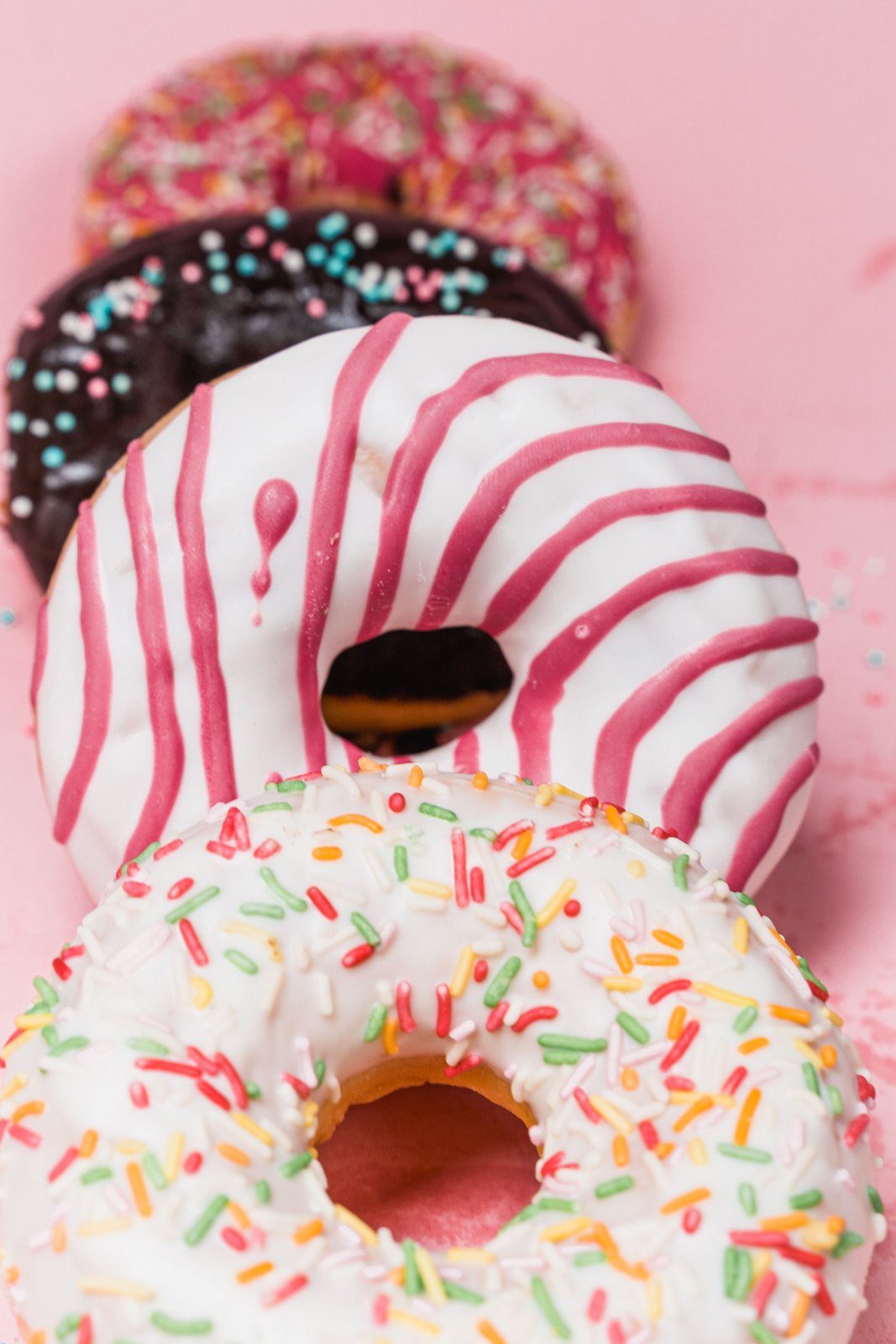
Sugary Foods Spike Insulin and Feed Scalp Oil Production
Sweets like donuts, pastries, and sugary cereal cause a rapid rise in blood glucose, which triggers a surge in insulin and insulin-like growth factor 1 (IGF-1). Research on sebaceous glands shows that both hormones can stimulate sebocytes, the oil-producing cells in skin and scalp follicles, to ramp up sebum output. One clinical study found IGF-1 levels were significantly higher in people with seborrheic dermatitis, and higher still in more severe cases. More oil on the scalp means more food for Malassezia, the yeast strongly linked to dandruff, so a habit of reaching for something sweet can end up feeding the exact organism behind the flaking.
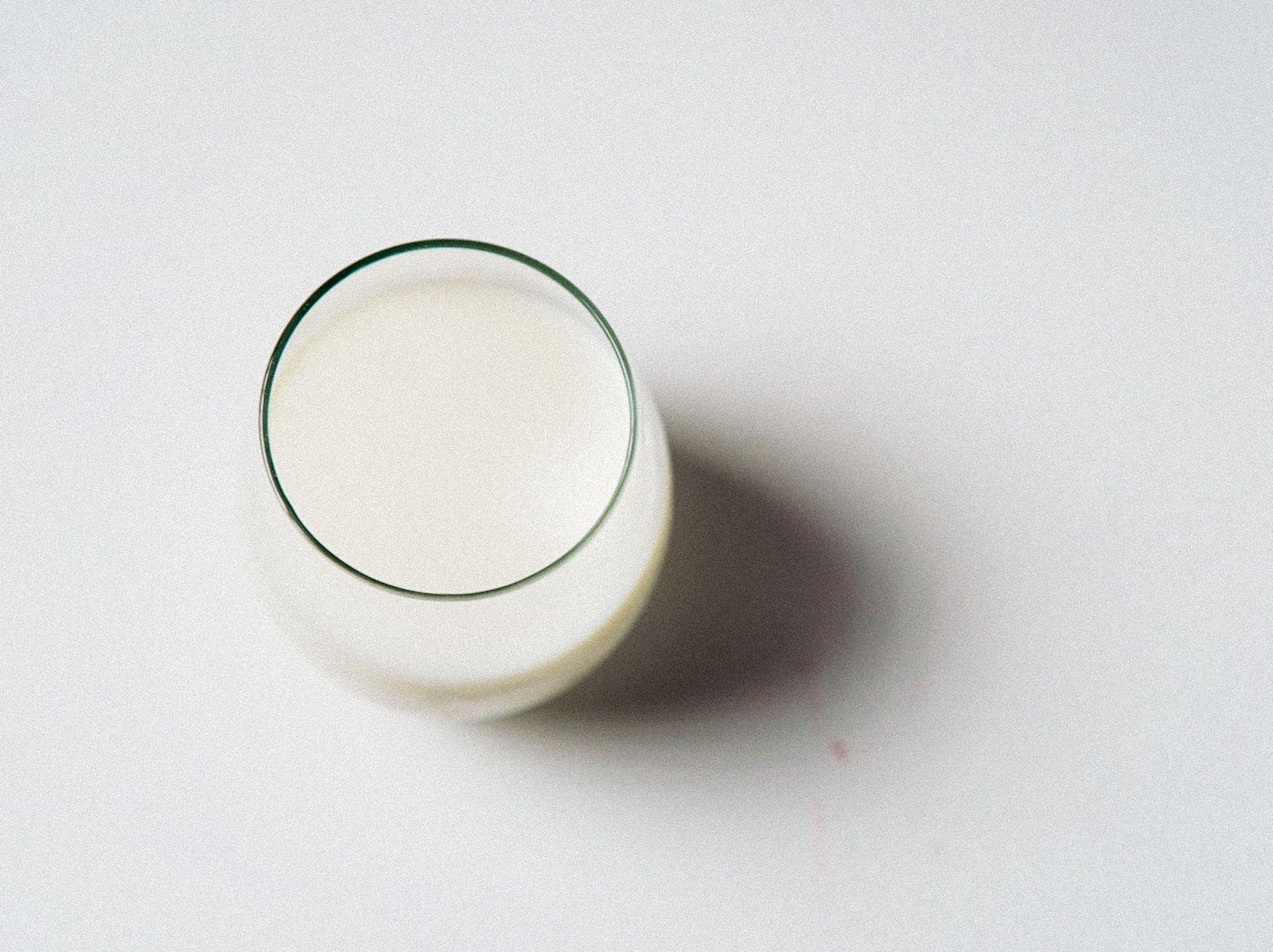
Dairy's Hormone Link Is Real, but Not the Same for Every Type
Milk and ice cream contain natural hormones and IGF-1 precursors, and observational research has found a connection between dairy intake and acne, most consistently with skim and low-fat milk rather than cheese or yogurt. A meta-analysis covering more than 78,000 people found a positive association between milk consumption and acne risk. That said, this is correlational evidence, not proof that dairy causes flare-ups for everyone, and the effect size is still debated among dermatologists. If your scalp seems to react to dairy specifically, it's worth tracking which type and how much you're having rather than assuming all dairy is equally implicated.
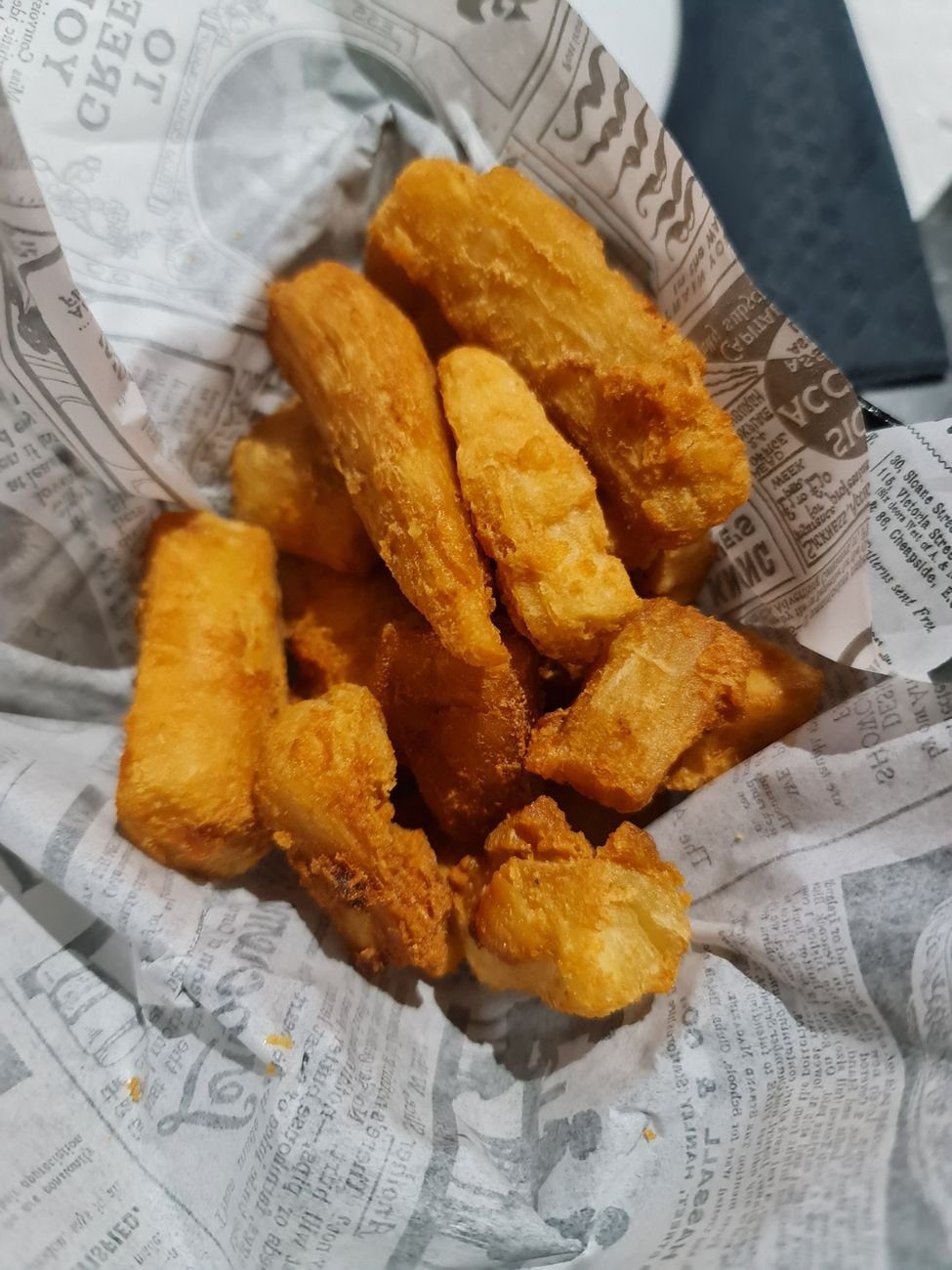
Fried Food's Oxidized Fats Fuel Inflammation
Fried chicken, fries, and other deep-fried foods are typically cooked in oils high in omega-6 fatty acids, and reused frying oil breaks down further with each use, producing oxidized compounds that skew the balance of fatty acids your body absorbs. A diet skewed heavily toward omega-6 relative to omega-3 is associated with a more pro-inflammatory state throughout the body, and on the scalp specifically, that imbalance has been linked to more oil production, a weaker skin barrier, and conditions more favorable for Malassezia to thrive. In other words, fried food doesn't just affect your waistline, it can show up as scalp irritation too.
What a Few Weeks of Swaps Does
- Swap sugary snacks for nuts or fresh fruit — these raise blood sugar more slowly, which means a smaller insulin and IGF-1 spike.
- Swap dairy milk for soy milk — you keep a comparable protein content while cutting back on the hormone-related stimulus tied to sebum production.
- Swap fried food for grilled or steamed dishes, and add oily fish like salmon or mackerel a couple of times a week — the omega-3s in fish can help counterbalance the inflammatory effect of excess omega-6.
The Scalp Reads the Whole Body
None of this means you need to cut out sweets, dairy, or fried food completely. Moderating how often you reach for them, and swapping in lower-impact alternatives, can measurably calm an itchy, flaky scalp over a few weeks. If the itching and flaking are severe, spreading beyond the scalp, or not improving with diet and shampoo changes, it's worth seeing a dermatologist, since it could be a sign of seborrheic dermatitis or another condition that needs targeted treatment. This article is for general information only and is not a substitute for professional medical advice.
Related articles
 4 min read1 views
3 Migraine Triggers That Show Up Hours After the Meal
Aged cheese, cured meats and a stop-start coffee habit all sit on migraine trigger lists. Here is what the evidence supports, and what to swap first.
 4 min read1 views
Hair Shedding Isn't Hair Loss, and Diet Only Fixes One of Them
More hair in the drain usually means shedding, not balding. Here is what diet really changes, and the one lab number worth checking first.
 4 min read0 views