Why Do Fried Food, Soda, and Deli Meat Make Knee Pain Worse?
Fried food, sugary soda, and processed meat each fuel knee inflammation through a different pathway. Here's what the research shows, and what to eat instead.

If your knees ache going down stairs, or feel stiff for the first few minutes after you get out of bed, it's easy to chalk it up to age or an old injury. But joint pain isn't only mechanical wear—it's often driven by low-grade inflammation, and what you eat can turn that inflammation up or down. Fried food, sugary soda, and processed meat are three everyday staples that research links to worse joint inflammation, each through its own biological pathway.
Fried Food and the Omega-6 Overload
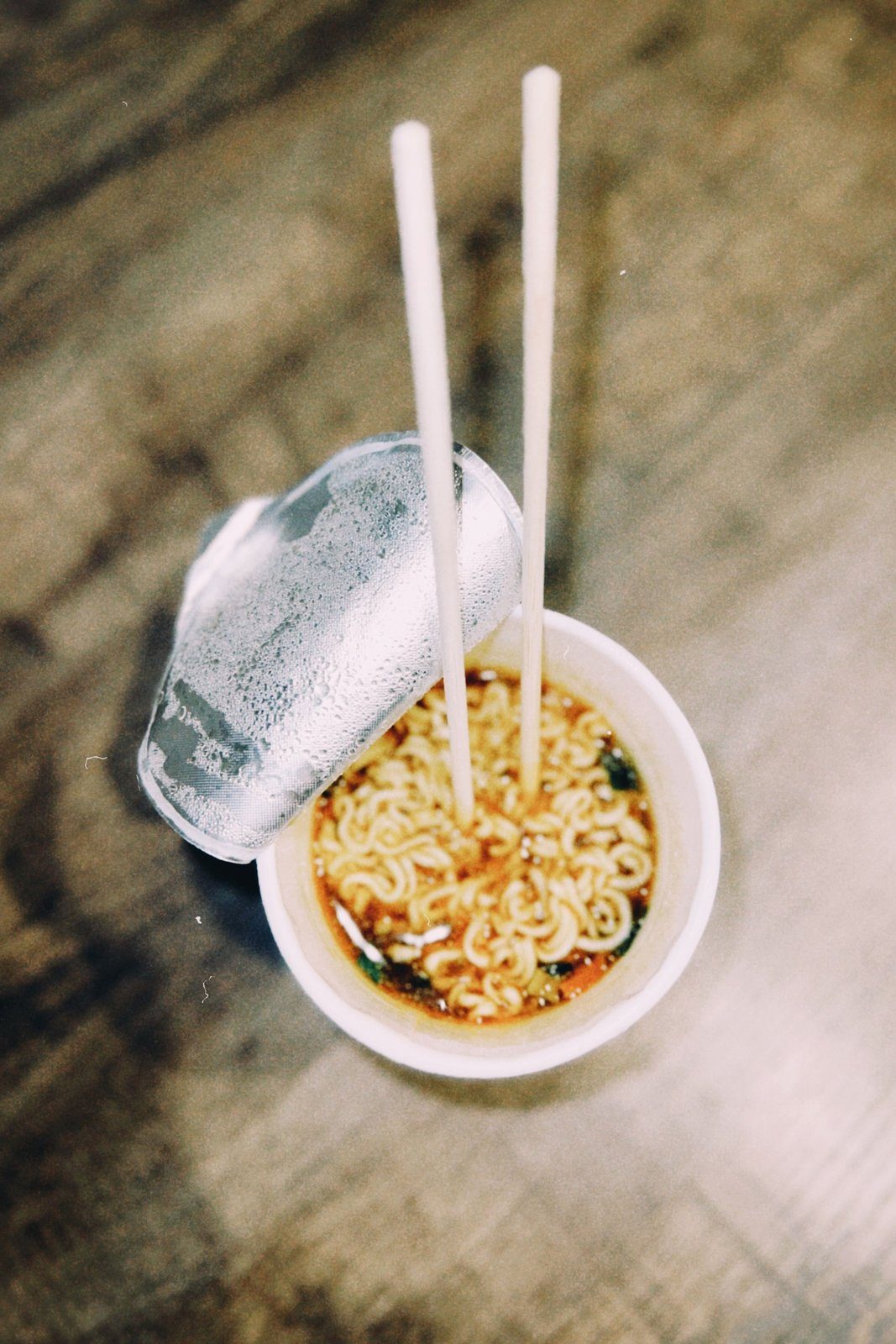
Deep-fried food and heavily processed snacks are typically cooked in oils high in omega-6 fatty acids. Once inside the body, one of those fatty acids, linoleic acid, converts into arachidonic acid, which the body then uses to build prostaglandins and leukotrienes—signaling molecules that drive inflammation. The issue isn't omega-6 itself, since the body needs some; it's the ratio. A typical Western diet now runs an omega-6 to omega-3 ratio of roughly 15 to 1, while several nutrition researchers point to a ratio closer to 4 to 1 or lower as healthier for joints. Research in people with knee osteoarthritis has linked a higher omega-6 to omega-3 ratio with more pain sensitivity and reduced function.
Sugary Soda and Advanced Glycation End Products
Soda works on joints through a different route. A sharp spike in blood sugar triggers the formation of advanced glycation end products, or AGEs—compounds that stiffen cartilage and, according to research on cartilage tissue, make chondrocytes (the cells that maintain cartilage) more likely to break down the joint's cushioning matrix. Boston-area research teams studying long-running cohorts have found that women who drink sugar-sweetened soda daily face a meaningfully higher risk of joint disease than those who rarely drink it, and a separate multicenter study following participants with knee osteoarthritis found that higher soda intake tracked with faster disease progression.

Processed Meat and Rising CRP
Sausage, bacon, and other processed meats bring a third mechanism into play. Their saturated fat, added sodium, and nitrites are associated with higher levels of C-reactive protein, or CRP—an inflammatory marker doctors already use to track disease activity in rheumatoid arthritis. A large UK biobank study found that people who ate more processed meat had higher inflammatory markers, including CRP, than those who ate less, even though part of that association is tied to body weight rather than the meat alone. Either way, cutting back on processed meat is one of the more direct ways to take pressure off that pathway.
Swap Three Foods, Hit Three Pathways
- Swap fried food for a handful of walnuts — walnuts are one of the richest plant sources of ALA, a form of omega-3, and can help pull an omega-6-heavy diet back toward a healthier ratio.
- Swap soda for blueberries — blueberries are rich in anthocyanins, antioxidants that may help counter the oxidative stress AGEs create in joint tissue.
- Swap processed meat for tofu — tofu delivers protein without the saturated fat, sodium, and nitrites that push CRP higher.
The Ache Is Partly on the Plate
None of these three foods have to disappear from your diet entirely, but if knee pain and morning stiffness are becoming a regular pattern, cutting back on fried food, sugary soda, and processed meat—and swapping in walnuts, blueberries, and tofu—addresses three separate inflammatory pathways at once. This article is for general information only and is not medical advice; see an orthopedic specialist if joint pain persists.
Related articles
 4 min read1 views
Cola and Cold Cuts Might Be Behind Your Bone Density Loss
Bone density slips for decades without a symptom. Here is what US research says about daily cola, high-sodium deli meat and coffee, and where to start.
 4 min read4 views
Blurry Vision at Night? The Diet and Screen Habits Behind It
Halos around lights and worse night vision aren't always just aging. Sugar, fried food, and dark-room scrolling all stress your eyes over time.
 3 min read5 views