The 3 Everyday Foods Quietly Feeding Fatty Liver Disease
Fruit juice, white rice, and processed meat can quietly raise liver fat even without alcohol. Here's the science behind each, and swaps that help.
Feeling tired no matter how much you rest, or noticing a dull heaviness under your right ribs? You don't have to drink alcohol to develop fatty liver disease — in fact, most people who have it don't drink at all. Public health data suggests roughly 1 in 4 adults in the US has some degree of fatty liver, and it's often described as a "silent" condition because it can progress for years without obvious symptoms. Three ordinary foods keep showing up in liver research as steady contributors: fruit juice, white rice, and processed meat.
Why Fruit Juice Hits Your Liver Harder Than Whole Fruit
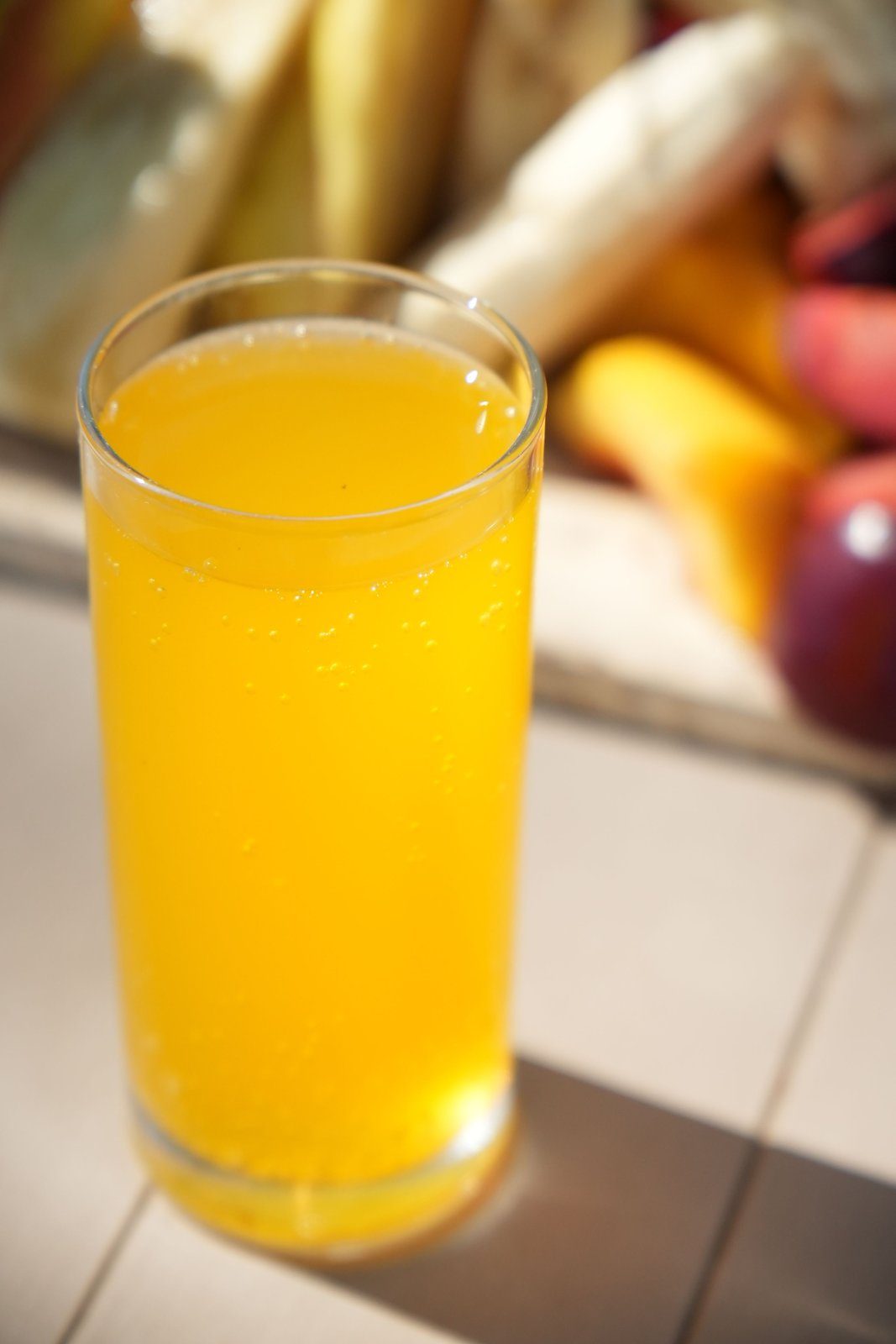
Glucose, the most common sugar in your diet, gets used by cells throughout your entire body for energy. Fructose — the sugar that makes fruit and fruit juice taste sweet — works very differently. It's absorbed straight into the portal vein and delivered almost exclusively to the liver, where it doesn't need insulin to enter cells and largely bypasses the checkpoints that normally regulate glucose metabolism. Once inside liver cells, excess fructose gets converted through a pathway called de novo lipogenesis directly into fat. A single glass of store-bought fruit juice can contain around 40 grams of sugar — close to 10 sugar cubes — and because it arrives without the fiber that whole fruit has, it's absorbed fast enough to overwhelm the liver's capacity to process it. Whole fruit still contains real fructose, but its fiber slows absorption enough that research hasn't found the same liver-fat link.
White Rice's High Glycemic Index and Liver Fat
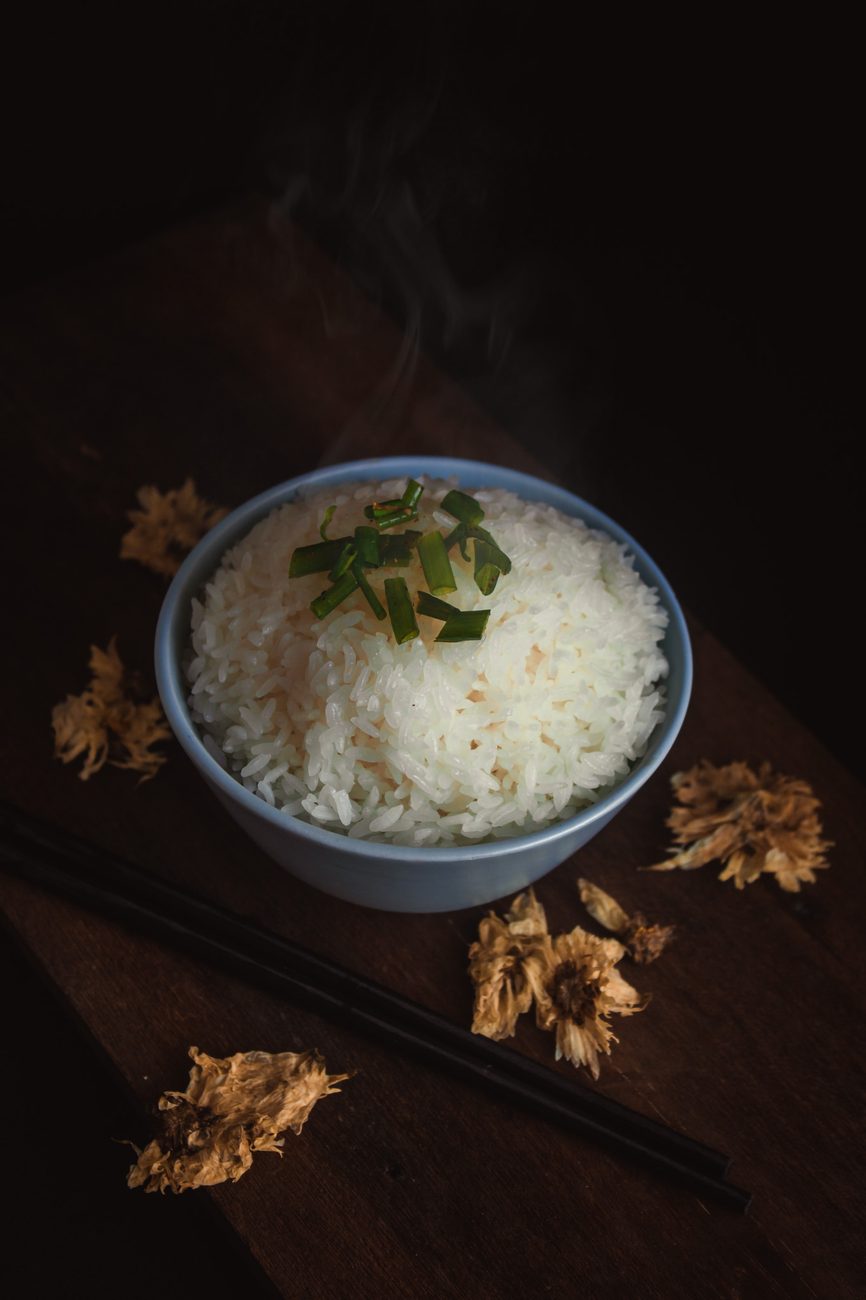
White rice ranks high on the glycemic index — commonly cited in the 70s to high-80s depending on the variety — meaning it spikes blood glucose faster than most staple carbs. That rapid glucose surge triggers a rapid insulin response, and insulin is exactly the hormone that tells the liver to ramp up de novo lipogenesis and store extra sugar as fat rather than burn it. Do this meal after meal, day after day, and the liver's fat-storage machinery stays chronically switched on. Brown rice, which keeps its bran and germ layer intact, has a meaningfully lower glycemic index and considerably more fiber, both of which blunt the glucose spike and ease the load on the liver.
Processed Meat and Fatty Liver Risk
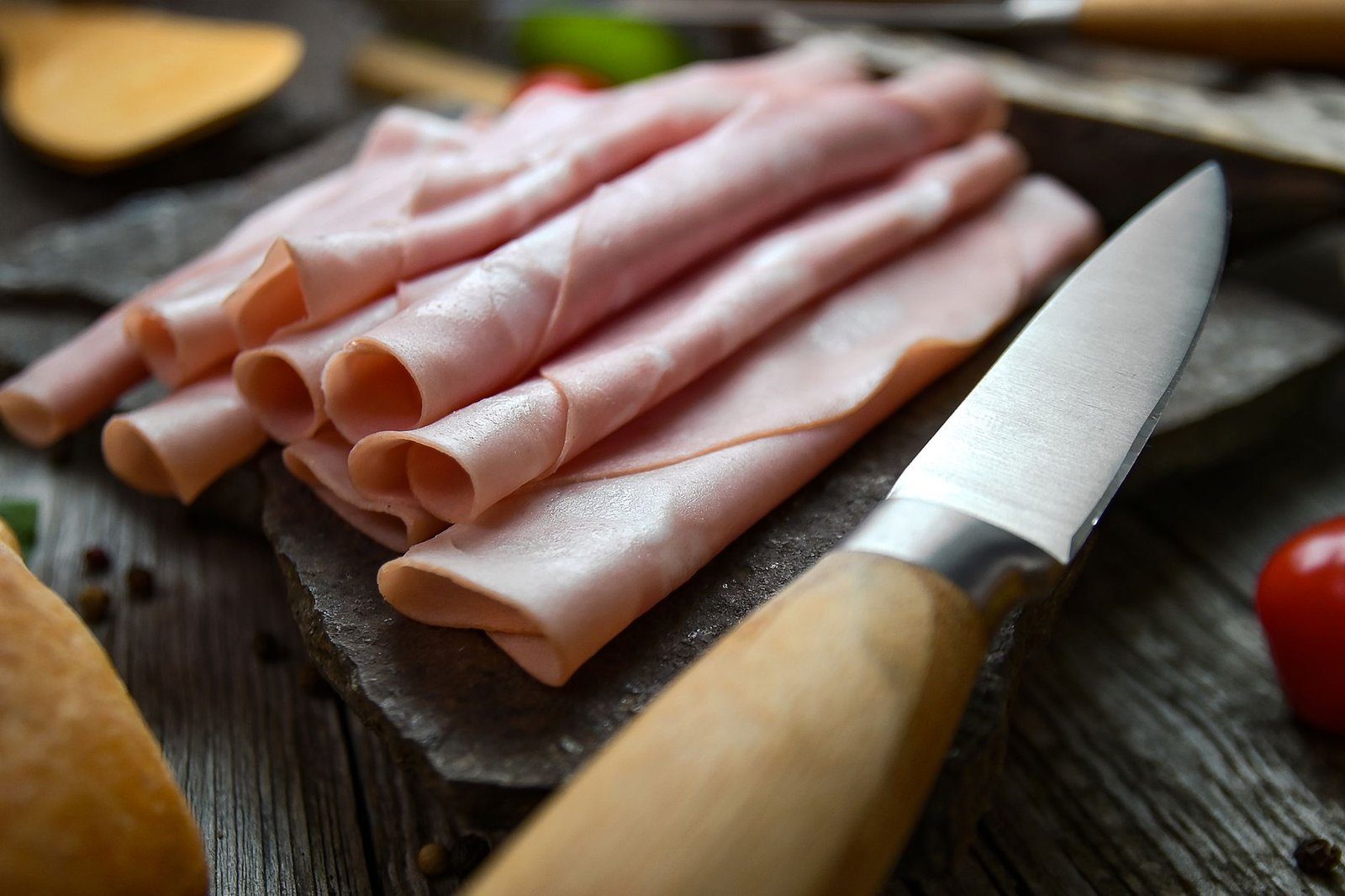
Processed meats like sausage, bacon, and deli ham are typically high in saturated fat and sodium, and they're often preserved with nitrites. Cohort research has repeatedly linked heavy processed and red meat intake to higher rates of fatty liver disease — a widely cited prospective study out of Tel Aviv Medical Center found close to 3 to 4 times higher odds of elevated liver enzymes and NAFLD among consistently high meat eaters, and other large prospective cohorts have found similarly elevated risk. Researchers point to a few likely mechanisms: the saturated fat load itself promotes fat storage in the liver, high sodium intake is tied to metabolic strain, and the nitrites added during curing form compounds the liver has to process and detoxify, adding to its workload.
3 Trades Your Liver Notices
- Whole fruit instead of juice — the fiber slows sugar absorption enough that your liver isn't hit with a fructose surge all at once.
- Brown rice instead of white rice — a lower glycemic index and more fiber mean a gentler blood sugar rise and less pressure on de novo lipogenesis.
- Lean meat, poultry, or tofu instead of processed meat — you still get protein, without the saturated fat, sodium, and nitrite load.
Trade One Thing This Week
Fatty liver disease rarely announces itself early — that dull ache or persistent fatigue can be the first real sign that fat has already been quietly building up. None of these three swaps require an all-or-nothing overhaul: trading juice for whole fruit, white rice for brown rice, and processed meat for leaner protein a few times a week can meaningfully ease the pressure on your liver over time. This article is for general information only, not medical advice — if symptoms persist, please see a gastroenterologist or hepatologist for proper evaluation.
Related articles
 5 min read1 views
Pancreas Warning Signs: Why Does Belly Pain Reach Your Back?
Upper belly pain that pushes through to your back, plus greasy stools, can be a pancreas signal. Here is what drives it and what lowers the load.
 4 min read0 views
Insulin Resistance: Your Waist and Your Chair May Be Behind It
About 1 in 3 US adults has prediabetes and most feel nothing at all. Belly fat, long sitting hours and short nights are three drivers you can act on.
 5 min read0 views