Cola and Cold Cuts Might Be Behind Your Bone Density Loss
Bone density slips for decades without a symptom. Here is what US research says about daily cola, high-sodium deli meat and coffee, and where to start.
Half an inch of height gone, a jacket that suddenly hangs longer, a back that curves forward in photos. Bone loss almost never announces itself, and by the time a wrist breaks on a minor fall, a fair amount of density is already gone. Two ordinary items keep turning up in the American research on this: daily cola and high-sodium cold cuts.
Bone Is Constantly Being Withdrawn and Redeposited
Bone is living tissue that is torn down and rebuilt around the clock. When blood calcium dips, the body protects that level first and pulls calcium back out of the skeleton to do it. Repeat that often enough over years and the withdrawals outpace the deposits, leaving bone thinner and more porous. None of it hurts, which is why most people find out from a fracture or a bone density scan rather than from how they feel.
Cola Is the One Soda That Keeps Showing Up in the Data
In the Framingham Osteoporosis Study, Tufts University researchers measured bone mineral density in 1,413 women and 1,125 men and found that women drinking cola daily averaged 3.7 percent lower density at the femoral neck and 5.4 percent lower at Ward's area than women who drank less than one serving a month. The link held regardless of age, menopausal status, or calcium and vitamin D intake, and it did not appear for other carbonated drinks, at the spine, or in men. An earlier Harvard analysis of 460 ninth and tenth grade girls, published in Archives of Pediatrics and Adolescent Medicine, reported around three times the odds of having had a bone fracture among carbonated beverage drinkers, and close to five times among physically active girls who drank cola.
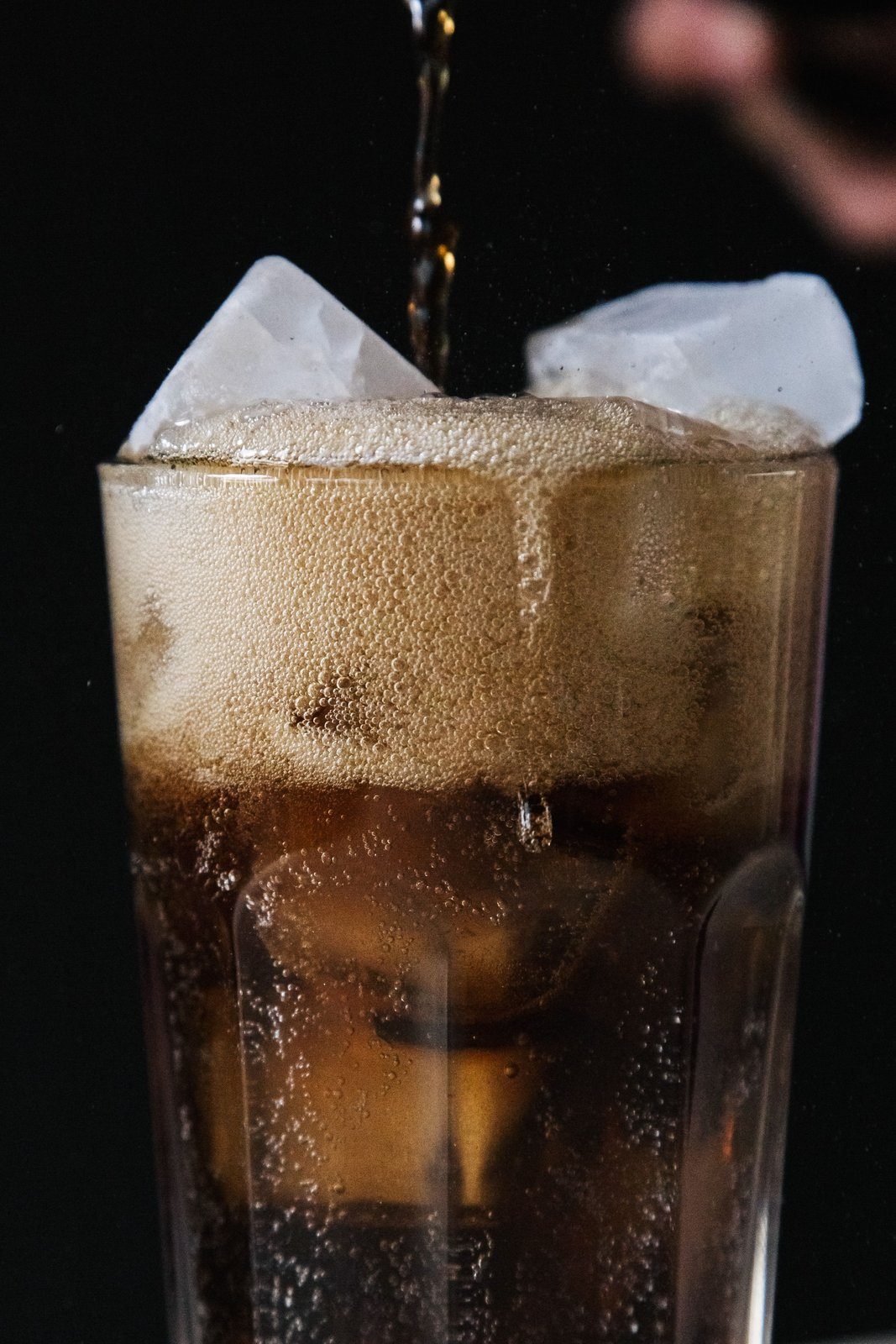
Perspective matters here. These are observational findings, and lead author Katherine Tucker has said there is no concrete evidence that an occasional cola harms bone. What did stand out is that the association survived adjustment for how much calcium and vitamin D the women were actually getting, so cola crowding out milk does not explain it on its own.
Cold Cuts Send Calcium Out With the Sodium
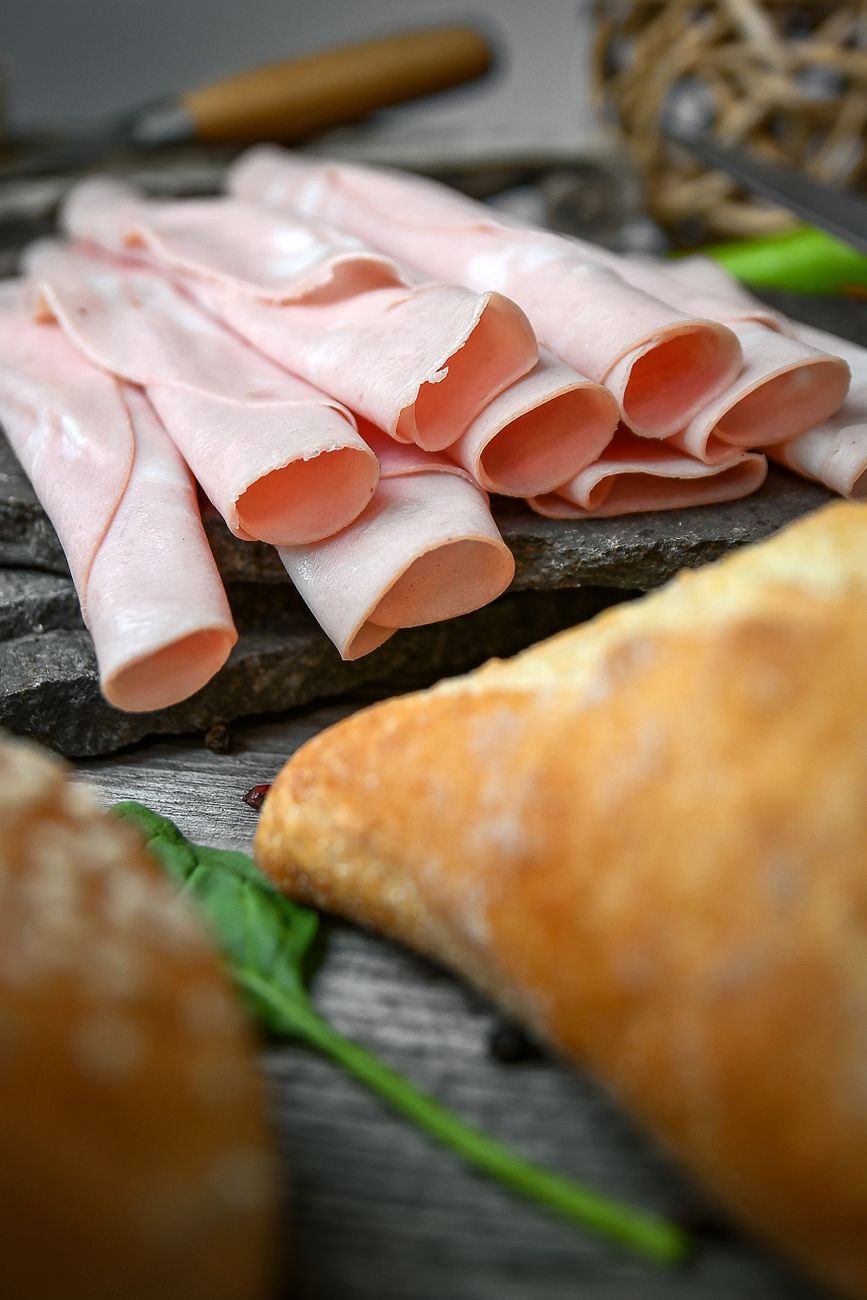
Sodium and calcium share an exit route through the kidneys, so the more sodium the body flushes, the more calcium goes with it. Americans average roughly 3,400 mg of sodium a day against a 2,300 mg guideline, and CDC analysis of NHANES data put about 89 percent of adults over that limit. Cured and deli meats sit on the CDC list of ten food categories supplying most of that sodium: two ounces of deli ham commonly runs 500 to 900 mg, and some prepackaged turkey reaches around 1,050 mg, which is most of a day's allowance in a single sandwich.
What About Coffee?
Coffee takes more blame than the numbers support. The Linus Pauling Institute at Oregon State University puts the cost of caffeine at roughly 4 to 6 mg of calcium per cup, an amount one or two tablespoons of milk offsets, and notes that up to about three cups a day is unlikely to affect bone in people getting enough calcium. Next to soda and sodium, coffee is a small lever.

So Where Do You Actually Start?
- Move the daily cola to plain seltzer or unsweetened sparkling water and keep the fizz without the cola-specific association.
- At the deli counter, ask for roast beef, which typically runs 280 to 400 mg of sodium per two ounces, instead of ham or prepackaged turkey. Packaged products labeled low sodium carry 140 mg or less per serving under the FDA definition.
- Rebuild the calcium side with food: dairy, canned sardines or salmon with the bones left in, calcium-fortified orange juice and plant milks, kale and collard greens. Adults over 50 are generally advised to reach 1,000 to 1,200 mg of calcium and 800 to 1,000 IU of vitamin D a day, depending on age and sex.
- Add weight-bearing and resistance work such as brisk walking, stair climbing or light strength training, since loading bone is what signals it to hold onto density.
- If you like coffee, pour in a splash of milk rather than cutting the cup.
A Quick Run Back Through the List
Cola most days, deli meat at most lunches, calcium sitting well under target, coffee taken black by the pot. If two or more of those describe an ordinary week, that is where the easiest changes live. None of these foods has to disappear; the frequency and the calcium balance around them are what move the number. This article is general health information and not a diagnosis, and a clinician is the right person to tell you whether a bone density scan makes sense for you.
Related articles
 3 min read3 views
Why Do Fried Food, Soda, and Deli Meat Make Knee Pain Worse?
Fried food, sugary soda, and processed meat each fuel knee inflammation through a different pathway. Here's what the research shows, and what to eat instead.
 4 min read0 views
Scalp Odor: It's Not How Often You Wash, It's Where You Wash
A scalp that smells a few hours after washing usually points to buildup, not poor hygiene. Here is where the odor forms and what to change first.
 4 min read0 views