Muscle Loss After 50: 3 Habits Making It Worse Than It Should Be
Struggling with stairs or a stubborn jar lid? Sarcopenia often traces back to a low-protein breakfast and cardio-only workouts — here's what actually helps.

If climbing a flight of stairs or twisting open a jar lid feels harder than it used to, it's easy to blame getting older and leave it at that. But a meaningful share of that strength loss, known as sarcopenia, often comes down to two habits that are easy to miss because neither one causes a problem overnight: a breakfast that's too low in protein, and workouts that never go beyond walking.
Why Muscle Loss Speeds Up After 50
Muscle mass naturally declines by roughly 6 to 8 percent per decade once people pass midlife, and the pace tends to pick up after 60. Part of the reason is a phenomenon researchers call anabolic resistance — aging muscle needs a bigger dose of protein in one sitting, generally 25 to 30 grams, to actually trigger muscle building, compared to what worked at age 30. A typical breakfast of cereal with milk or a couple slices of toast usually lands closer to 10 to 15 grams, which barely clears that threshold. Making up for it at dinner doesn't fully solve the problem either — spreading protein evenly across all three meals works better for preserving muscle than loading up on just one.
Walking Alone Doesn't Cut It
A daily walk is genuinely good for the heart, but it barely asks anything of your muscles beyond what they're already used to. That's why plenty of people who walk every single day still lose noticeable strength over the years — cardio and muscle-building are two different jobs, and only one of them is being done. Recent trials in older adults with sarcopenia found that resistance training, done consistently, meaningfully improved grip strength and walking speed in ways that walking alone did not.

Two Changes That Actually Rebuild Muscle
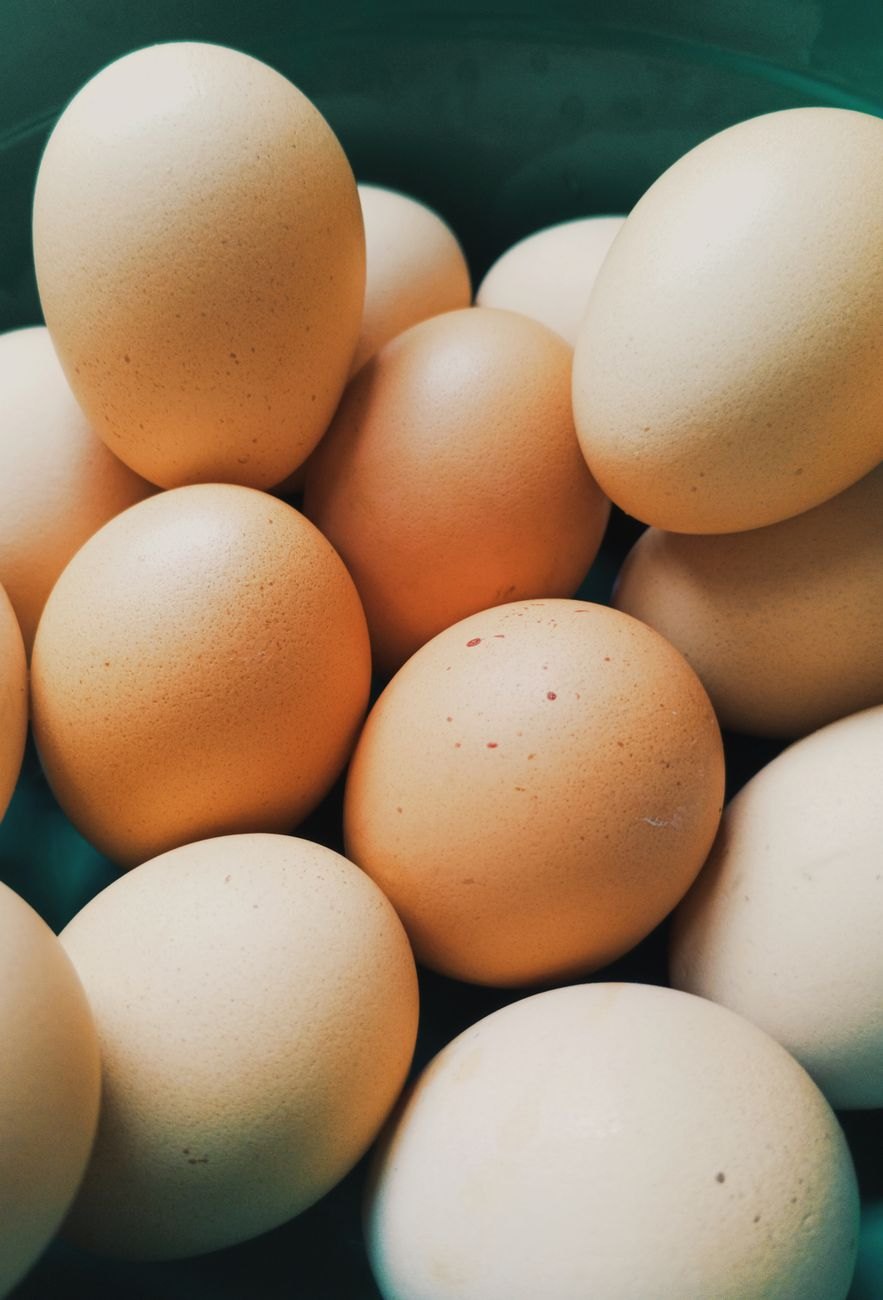
- Add protein specifically to breakfast — a couple of eggs, a glass of milk, or a serving of Greek yogurt can push a typical breakfast closer to the 25-gram mark instead of leaving it at 10.
- Add resistance training twice a week — a set of resistance bands or a pair of dumbbells is enough, and bodyweight moves like squats or step-ups work fine without equipment.
- If chewing tougher cuts of meat has become uncomfortable, ground meat, scrambled eggs, or a flaky white fish keep the protein without the effort.
The Bottom Line
None of this requires an overhaul — a slightly heavier breakfast and two short strength sessions a week are usually enough to start slowing the loss down. This article is for general information only and isn't a substitute for medical advice; if weakness comes on suddenly or worsens quickly, it's worth talking to a doctor.
Related articles
 3 min read2 views
Air Conditioning Sickness Isn't About Weak Immunity, It's These 3 Habits
Air conditioning sickness isn't about a weak immune system. Temperature swings, dirty filters, and stale air are often the real, fixable causes.
 3 min read2 views
3 Everyday Drinks and Foods That Keep Triggering Nighttime Heartburn
Coffee, soda, and late-night fried food can raise stomach acid and pressure, triggering heartburn. Here's the science and simple swaps that actually help.