Nighttime Heartburn? Blame Coffee, Soda, and Fried Food
Coffee, soda, and late-night fried food can raise stomach acid and pressure, triggering heartburn. Here's the science and simple swaps that actually help.
If you've ever jolted awake around 3am with a sour, burning sensation crawling up your throat, you're far from alone — the National Institute of Diabetes and Digestive and Kidney Diseases (NIDDK) estimates that roughly 20% of U.S. adults deal with gastroesophageal reflux disease (GERD) on a regular basis. The mechanism behind that late-night burn usually comes down to the lower esophageal sphincter (LES), a ring of muscle that's supposed to keep stomach acid where it belongs. When it loosens at the wrong moment, acid backs up into the esophagus, and lying flat in bed removes gravity's usual assist, which is why symptoms often feel worse at night than during the day. Three everyday foods and drinks are especially good at setting this off: coffee, soda, and a greasy meal eaten too close to bedtime.
Coffee's Acid Problem Isn't Just the Caffeine
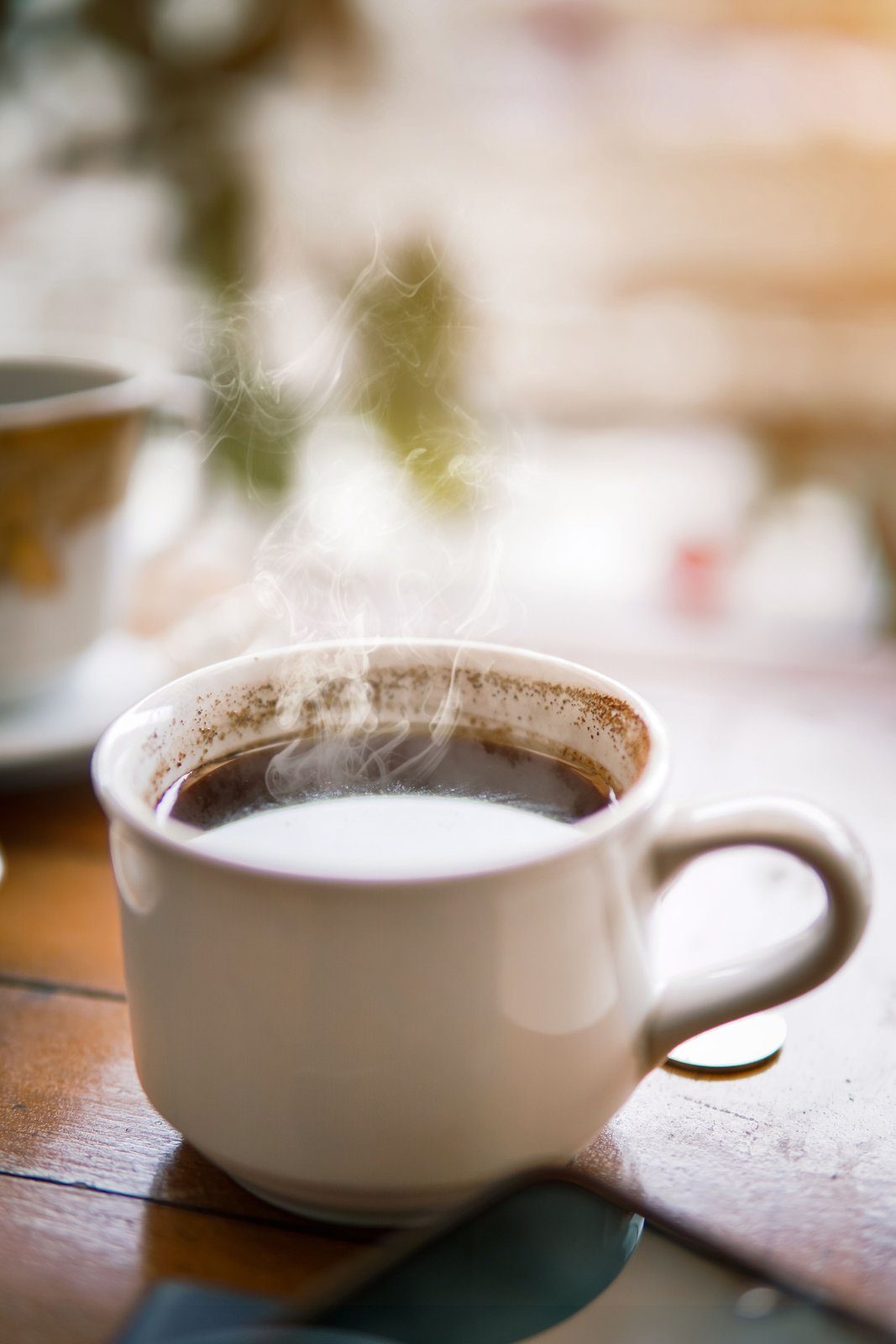
Coffee shows up on nearly every gastroenterologist's list of reflux triggers, and it's named in the American College of Gastroenterology's 2022 clinical guideline for GERD as a food worth limiting. What's interesting is that caffeine itself may not be the main driver of LES relaxation — research reviewed for that guideline points to chlorogenic acids, plant compounds naturally present in coffee, as a bigger factor behind increased stomach acid production. Because chlorogenic acids survive the decaffeination process, a decaf coffee can still stir up acid, just without caffeine's extra kick on top of it. Drinking coffee on an empty stomach makes the effect more noticeable too, since there's no food yet to help buffer the acid it triggers.
Carbonated Drinks Add Extra Pressure in Your Stomach
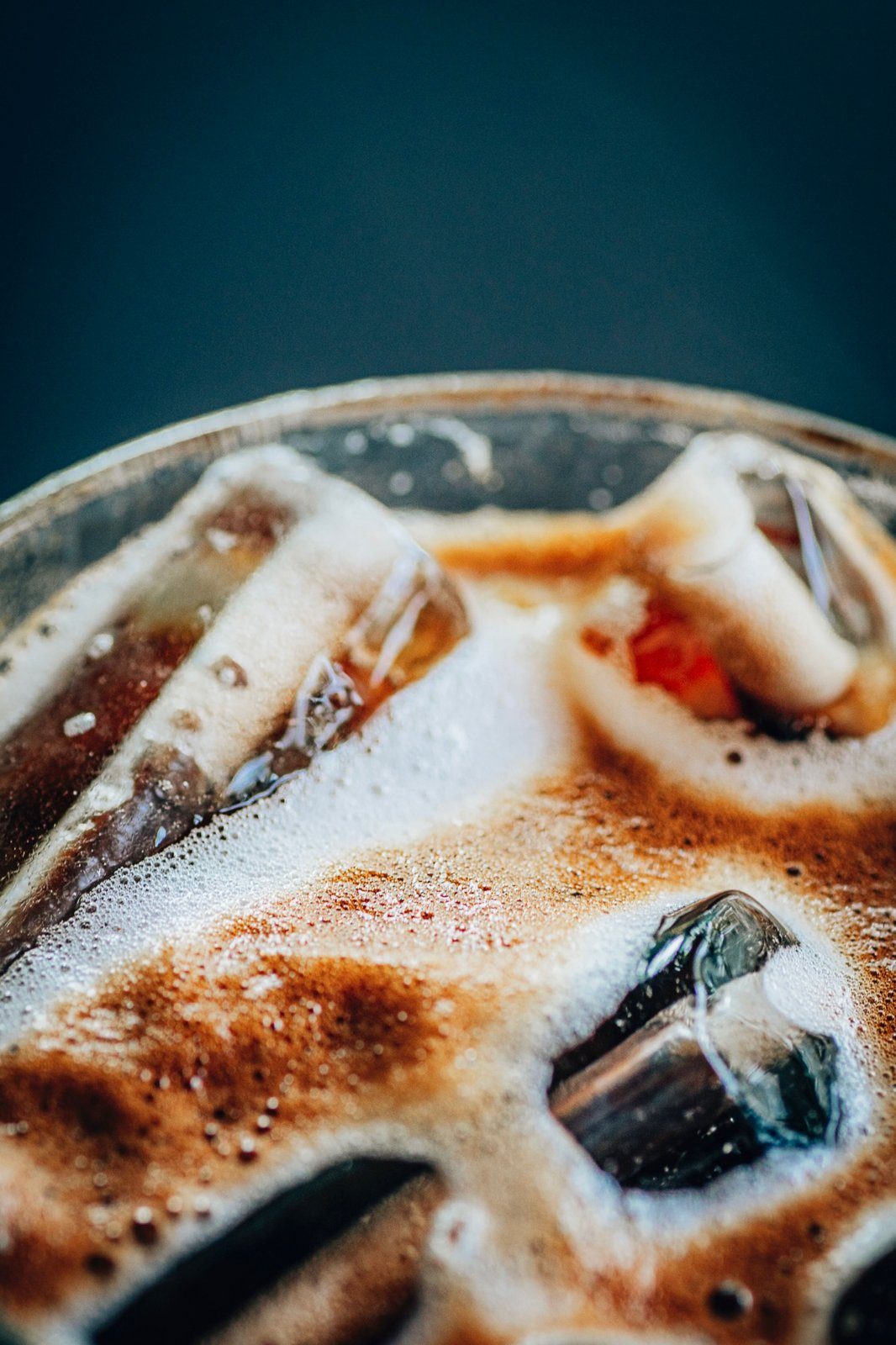
Soda lands on the same limit-it list for a more mechanical reason than a chemical one. Carbon dioxide bubbles expand once they hit your stomach, stretching it and raising the pressure inside — pressure that has to go somewhere, and it often pushes upward against the LES. That's part of why a soda-heavy meal tends to come with more burping than a still-water one: each burp works as a small release valve for that trapped gas, and stomach acid can ride along with it on the way up.
A Greasy Meal Close to Bedtime Is a Double Hit
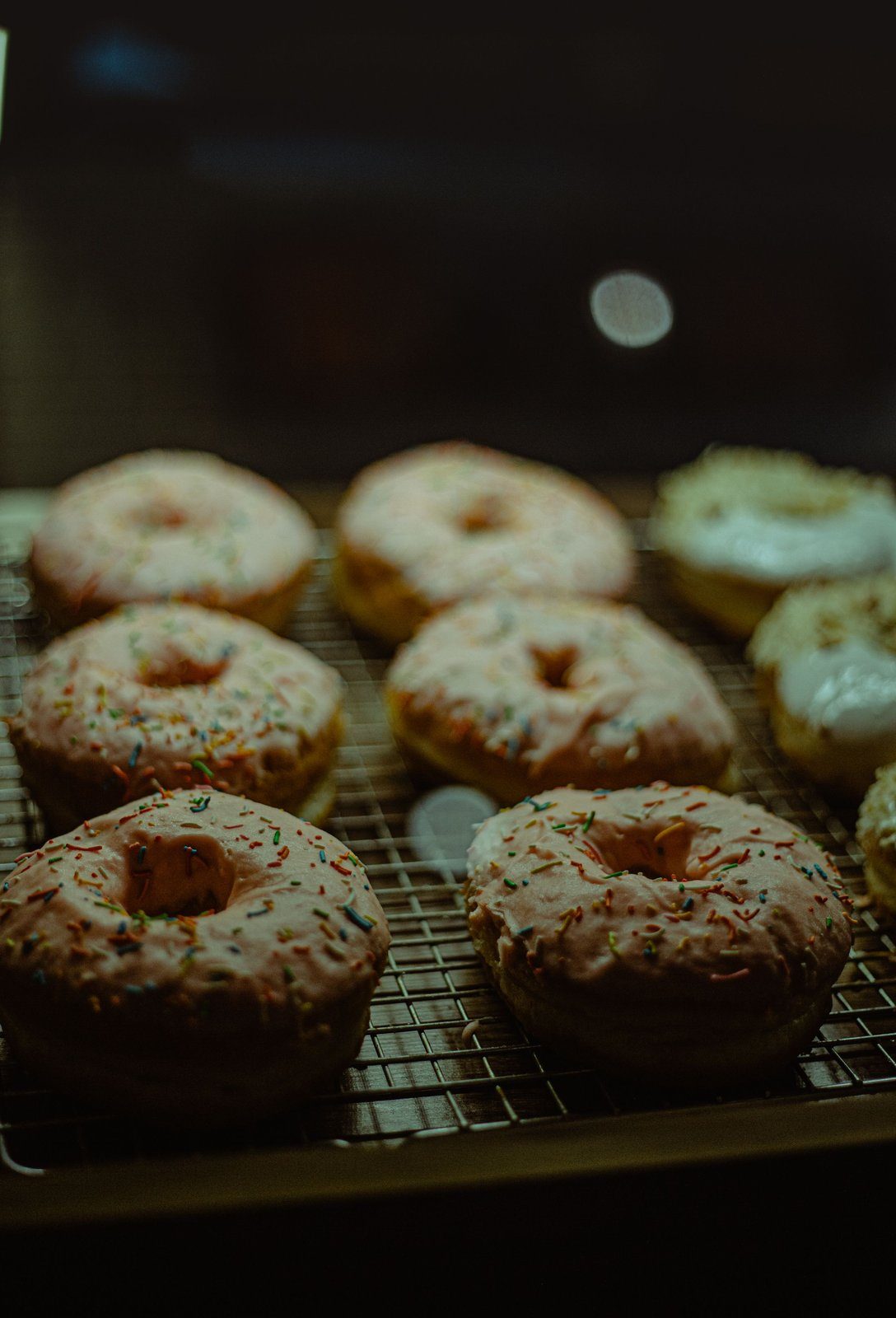
High-fat foods — fried appetizers, late-night fast food, or a doughnut standing in for dinner — take longer to digest than lighter meals, so they sit in the stomach longer and keep intragastric pressure elevated for hours after you eat. NIDDK research lists high-fat meals among the most reliable reflux triggers, and the ACG guideline specifically calls out avoiding meals in the two to three hours before lying down. Pair a fatty meal with an early bedtime and you've stacked two reflux risk factors at once: food that's slow to clear the stomach, plus gravity no longer working in your favor once you lie down.
Close the Kitchen Three Hours Early
- Pair coffee with food, not an empty stomach — Having it after breakfast rather than first thing gives your stomach something to buffer the acid, and cutting back on how many cups you drink matters more than switching to decaf alone.
- Trade soda for still water — Still water delivers the fluid without the gas expansion, so your stomach pressure starts out lower to begin with.
- Close the kitchen 2–3 hours before bed — Especially with anything fried or heavy in fat, giving your stomach time to empty before you lie down takes real pressure off the LES.
Coffee, Soda, and the Clock
None of these three need to disappear from your life completely — coffee, soda, and the occasional fried snack are mostly a problem for your esophagus when the timing stacks the odds against you. Adjusting when you have them, rather than cutting them out for good, is usually enough to take the edge off nighttime heartburn. This article is for general information only and isn't medical advice — if reflux symptoms keep coming back or get worse, it's worth talking to a doctor or gastroenterologist.
Related articles
 4 min read1 views
Constipation: 3 Everyday Habits That Quietly Make It Worse
Refined staples, a cheese-heavy plate and a sudden fiber jump each slow things down. Here is what US guidance and a 2021 trial actually found.
 4 min read0 views
Short Sleep Might Be Behind the Body Fat That Will Not Budge
Dieting hard but body fat will not budge? Short sleep, everyday prescriptions, and an unscreened thyroid are common causes — plus what NIDDK says helps.
 5 min read0 views