Air Conditioning Sickness: 3 Real Causes, Not Weak Immunity
Air conditioning sickness isn't about a weak immune system. Temperature swings, dirty filters, and stale air are often the real, fixable causes.
If you feel foggy, achy, or chilled every time you step out of an air-conditioned room, it's tempting to blame a weak immune system or just getting older. But a lot of what gets called "air conditioning sickness" traces back to specific, fixable habits: how big a jump your body makes between outdoor heat and indoor cold, what's actually inside the air blowing out of the vents, and how often that air gets replaced with fresh air from outside. Here's what's really going on, and what tends to help.
The Temperature Swing Your Body Never Gets Used To
Every time you walk from a hot sidewalk into a heavily air-conditioned store or office, your body has to rapidly adjust as blood vessels near the skin constrict to hold onto heat, then dilate again once you're back outside. Do that enough times in a day and the autonomic nervous system, which controls this switching, starts to lag behind. France's energy agency ADEME, for one, advises keeping indoor temperature within 6 to 8°C (roughly 11 to 14°F) of the outdoor temperature rather than cranking the thermostat as low as it goes, since a bigger gap makes this adjustment harder on the body. Researchers have also noted that dropping indoor temperature more than about 5°C below outdoor levels without time to adapt can worsen breathing symptoms in people with asthma or COPD within hours to days, and in more extreme swings there's a real risk of sore throat, headache, dry eyes, and muscle cramps.

What's Actually Circulating in Your Indoor Air
Air conditioners naturally produce condensation as they cool the air, and that moisture doesn't go anywhere on its own. If the filter is clogged with dust, pollen, or pet dander, it stops trapping new particles effectively, and the trapped moisture combined with built-up dirt becomes exactly the damp environment mold and bacteria need to grow. Every time the system cycles on, some of that gets pushed back into the room, which is a common driver behind the sore throat, cough, and headaches people report after a day in heavy AC. Most home cooling guides recommend cleaning or replacing the filter every one to three months, more often with pets or allergies.
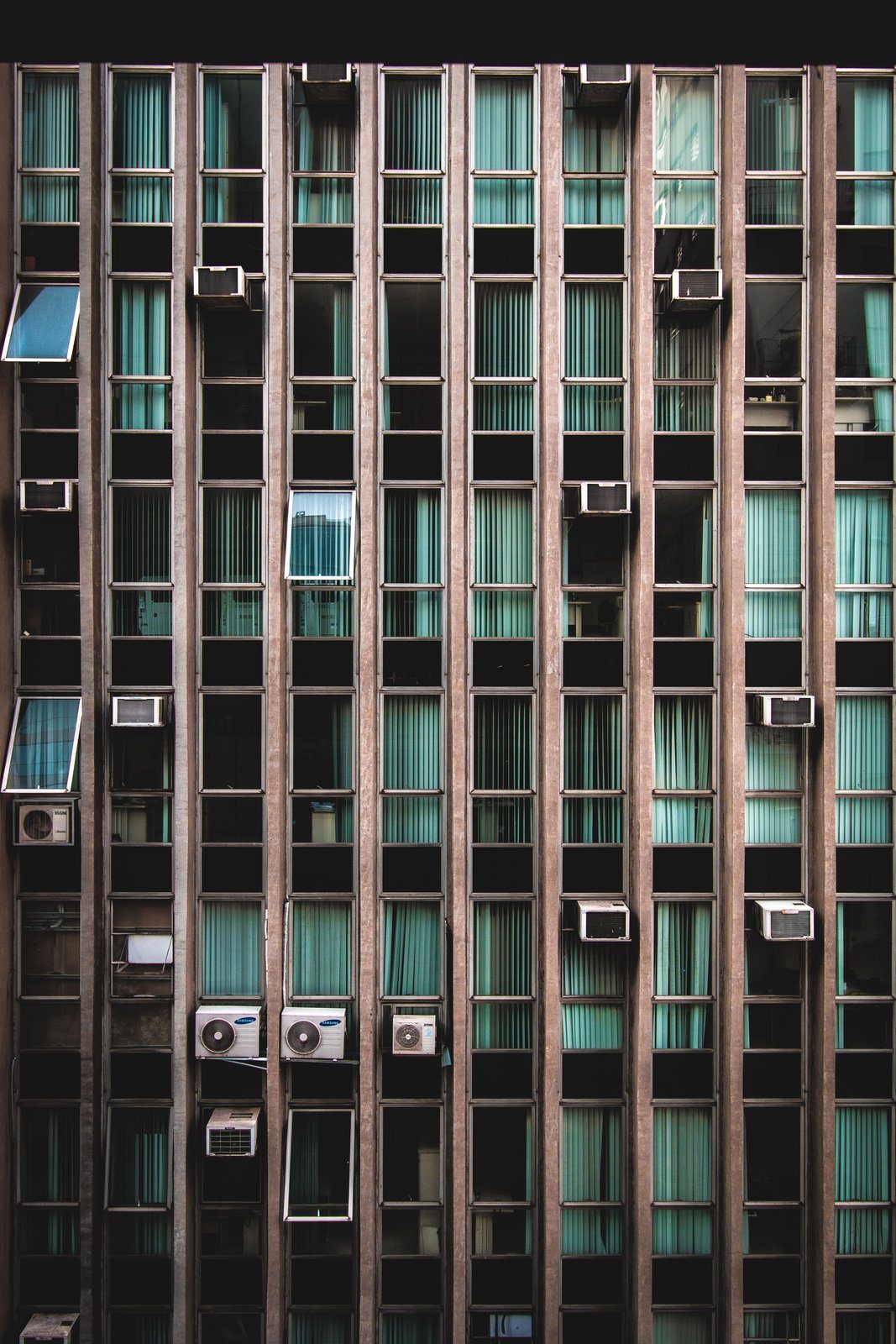
The second issue is what doesn't get filtered at all: carbon dioxide from your own breathing. Air conditioning cools and recirculates air, but it doesn't automatically bring in fresh air from outside the way an open window does. In enclosed, heavily air-conditioned rooms, CO2 can build up well past the roughly 800 to 1,000 parts per million considered normal, and research on offices and classrooms has repeatedly linked levels above about 1,000 to 2,000 ppm to headaches, drowsiness, and noticeably worse concentration, a pattern researchers sometimes call sick building syndrome.
The AC Isn't the Problem; the Settings Are
- Keep the indoor-outdoor gap modest — Aim for roughly 8°C (about 14°F) below outdoor temperature rather than the coldest setting, and keep a light layer on hand for trips outside.
- Clean the filter on a schedule — Rinse or replace it every one to three months, marking it on a calendar so it doesn't get forgotten mid-summer.
- Crack a window for a few minutes — Opening a window for 5 to 10 minutes every couple of hours, even with the AC running intermittently, resets CO2 levels and clears out anything the filter missed.
Start With the Temperature Gap Tonight
None of this means air conditioning itself is the problem — it's the habits around how it's used. Keeping the temperature gap reasonable, staying on top of filter cleaning, and letting fresh air in periodically address the three most common contributors to feeling drained or sick after time in AC. This article is for general information only and isn't medical advice; if symptoms are severe, sudden, or don't improve, it's worth checking with a doctor.
Related articles
 5 min read1 views
3 Hot-Weather Hydration Mistakes That Leave You Dizzy and Drained
Dizzy after a few hours in the heat? Coffee, beer and plain water each move your fluid balance differently, and US heat guidance is oddly specific.
 5 min read1 views
Why Does Your Ear Feel Clogged and Itchy After Swimming?
A clogged, itchy ear after swimming isn't only leftover water - trapped moisture, cotton swabs, and earbuds all play a role in the irritation.
 5 min read1 views