Pancreas Warning Signs: Why Does Belly Pain Reach Your Back?
Upper belly pain that pushes through to your back, plus greasy stools, can be a pancreas signal. Here is what drives it and what lowers the load.
A stomach ache that sits high under the breastbone is easy to write off as indigestion. It gets harder to dismiss when the pain pushes through to your back, gets worse after a meal, and shows up next to stools that look oily, float, or smell unusually foul. That combination is worth paying attention to, because of how this organ behaves once it is inflamed: in the chronic form, NIDDK is blunt that the pancreas does not heal or improve — it gets worse over time, leaving lasting damage. This is what the pattern actually means, and which everyday habits quietly add to the load.
The Pain Pattern That Points at the Pancreas
The pancreas sits behind the stomach and does two jobs: it makes insulin, and it makes the digestive enzymes that break down your food. Pancreatitis happens when those enzymes start damaging the gland itself instead of waiting until they reach the intestine. According to the National Institute of Diabetes and Digestive and Kidney Diseases, the main symptom of both acute and chronic pancreatitis is pain in the upper abdomen that may spread to the back. In the chronic form, that pain often gets worse after eating, and some people have no pain at all until complications show up.
The stool changes come later in the same story. As scarring builds, the gland stops making enough enzyme to break down fat, so fat passes through undigested. NIDDK lists greasy, foul-smelling stools alongside diarrhea, nausea, and unexplained weight loss as symptoms of chronic pancreatitis, and the MedlinePlus medical encyclopedia adds pale or orange-colored stools to that list. Weight loss while eating normally is one of the more telling signs, because it points at absorption rather than appetite.
Where Blood Fats Come Into the Picture
Gallstones and heavy drinking are the two causes most people have heard of. The third one gets far less airtime: blood fats. NIDDK lists high triglycerides among the health conditions that make pancreatitis more likely, right next to diabetes, gallstones, and obesity. The National Heart, Lung, and Blood Institute is more specific — triglycerides above 500 mg/dL raise the risk of acute pancreatitis, a sudden swelling of the gland, while a healthy fasting level sits below 150 mg/dL.
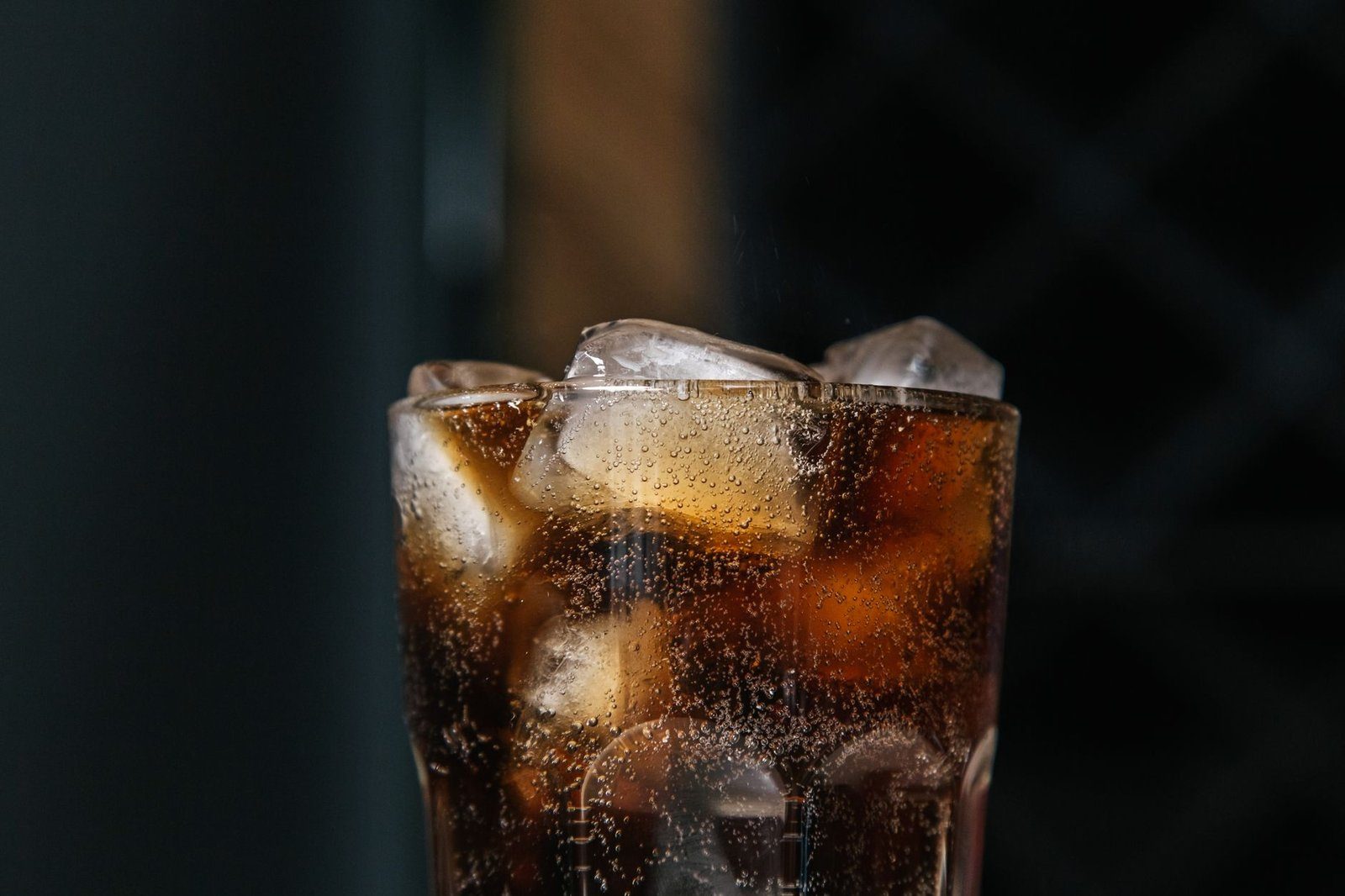
What actually pushes triglycerides up is where this connects back to the kitchen. NHLBI names foods high in fat and sugar, too much alcohol, and too little exercise; MedlinePlus specifically flags regularly eating more calories than you burn, especially a lot of sugar. Liquid sugar is the easiest version of that to overlook. Harvard's Nutrition Source puts a typical can of sugar-sweetened soda or fruit punch at roughly 150 calories, almost all of it added sugar, and notes that people who drink one to two cans a day carry a 26% greater risk of developing type 2 diabetes than people who rarely drink them.
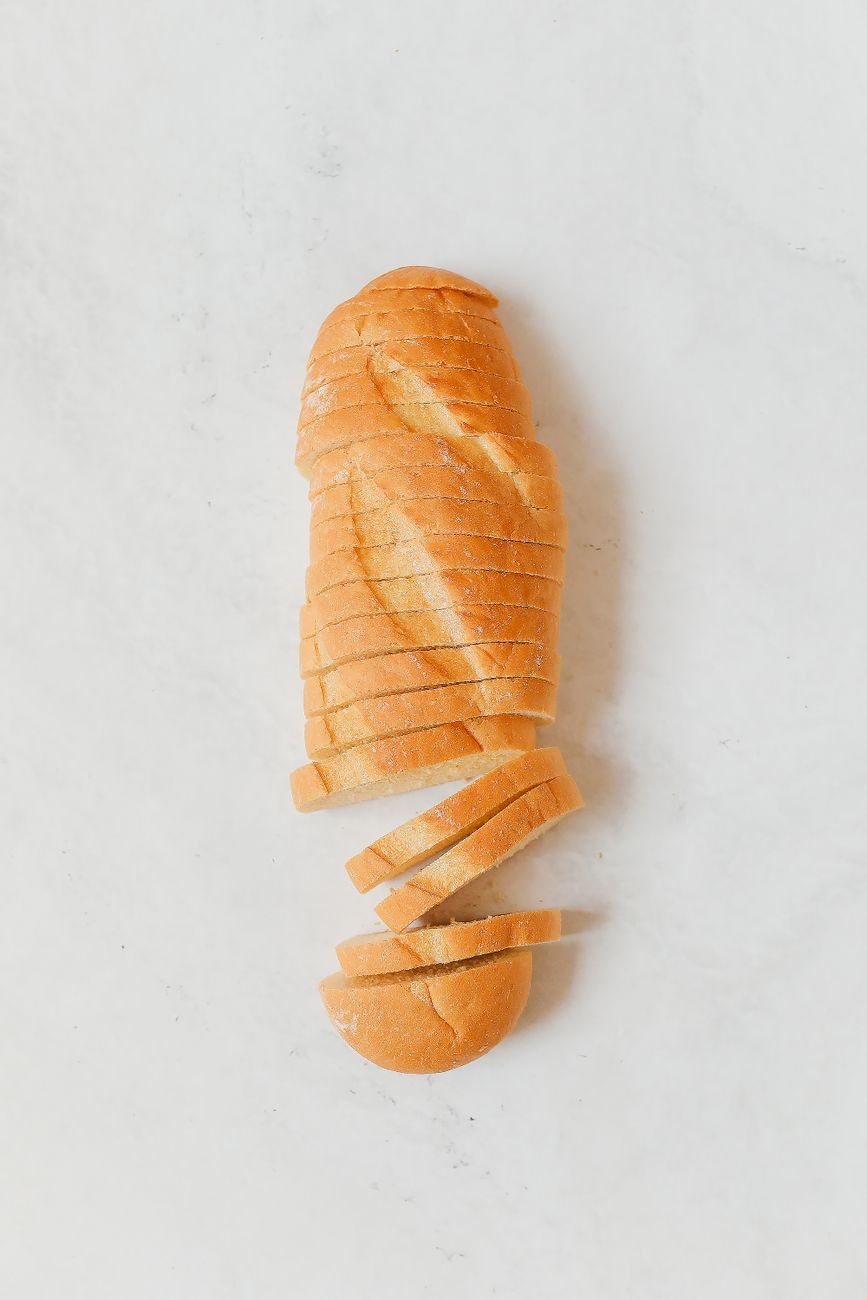
Refined starch works the same way from a different direction. Harvard rates carbohydrate foods on the glycemic index, where anything from 70 to 100 counts as high — white bread sits in that high band, digested fast enough to cause substantial fluctuations in blood sugar, while a slice of whole grain bread sits on Harvard's medium glycemic load list instead. Calories the body does not need right away get converted into triglycerides and stored, which is the loop that ties a sweet drink to a blood-fat number.
What Changes When You Swap Three Things
- The drink is the biggest single lever — Water or unsweetened sparkling water takes out roughly 150 calories of pure added sugar per can without asking you to change anything else you eat. Harvard notes that sweet-tasting drinks may keep the appetite for other sweet, high-carbohydrate foods going even when they are calorie-free, so plain or lightly flavored water beats trading one sweet drink for another.
- Same bread habit, slower release — Refined breakfast cereal, white basmati rice and white-flour pasta all sit on Harvard's high glycemic load list, while whole grain bread, brown rice, oatmeal and bulgur sit on the medium one. The fiber and intact starch structure slow digestion, so the same amount of carbohydrate arrives more gradually instead of arriving all at once.
- Smaller, lower-fat, more frequent meals — NIDDK's guidance for pancreatitis is a low-fat eating plan built around small, frequent meals rather than one or two large ones, plus plenty of fluids and limited caffeine. Alcohol is the exception with no safe middle ground: health professionals strongly advise no alcohol at all once pancreatitis is in the picture, even a mild case, and smoking raises the risk on its own.
Read as a set, these are substitutions rather than subtractions: the sugar in the glass goes first, the bread aisle shifts one shelf over, and portions get smaller rather than the plate getting emptier.
When to Get It Checked
None of the signs above diagnose anything on their own, and this article is not a substitute for a medical opinion. NIDDK advises seeking care right away for abdominal pain or tenderness that is severe or getting worse, nausea and vomiting, fever or chills, a fast heartbeat, shortness of breath, or yellowing of the skin or the whites of the eyes. Left untreated, those can signal infection or a blocked duct.
For the slower version of the question — greasy stools, weight loss, a nagging ache after meals — it is worth booking a normal appointment rather than waiting it out. Triglycerides show up on the standard lipid panel that NHLBI suggests healthy adults have every five years, and more often for people with diabetes or a family history, so the number is usually one blood draw away.
The One Thing to Change First
If only one habit shifts this week, make it the daily sweet drink. It is the change with the least friction and the most direct line to the blood-fat number that shows up on your next lab report, and unlike the bread or the portion sizes, it costs nothing to swap. Everything else on this page can follow at whatever pace works.
Related articles
 3 min read4 views
The 3 Everyday Foods Quietly Feeding Fatty Liver Disease
Fruit juice, white rice, and processed meat can quietly raise liver fat even without alcohol. Here's the science behind each, and swaps that help.
 4 min read0 views
Hair Shedding Isn't Hair Loss, and Diet Only Fixes One of Them
More hair in the drain usually means shedding, not balding. Here is what diet really changes, and the one lab number worth checking first.
 3 min read5 views