Foods That May Help You Sleep: Jujube, Tart Cherry, Walnut
Tart cherry, walnuts and jujube fill every sleep-food list. Here is what the NHS actually recommends for insomnia, and when broken sleep needs a GP.
Tart cherry juice, a handful of walnuts and jujube tea appear in almost every "foods for better sleep" list. Before you rearrange your evening around them, it is worth knowing what the health service that publishes insomnia guidance actually says. The NHS list of things that help with insomnia contains no foods at all. What it does contain is a short set of habits, a clear threshold for seeing a doctor, and a reminder that sleep which stays broken for months is often a symptom of something else.

What tart cherry, walnuts and jujube can realistically do
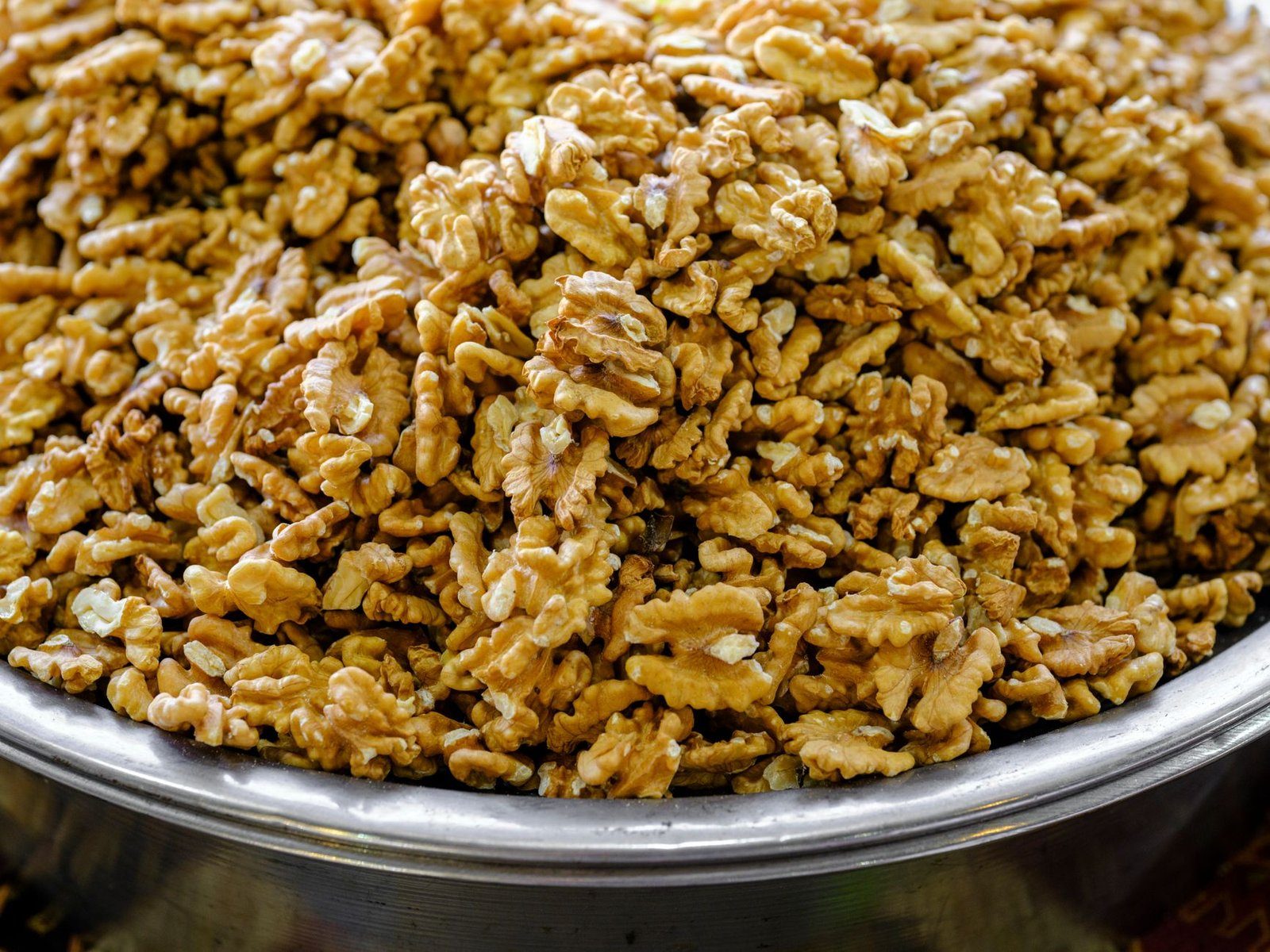
Montmorency tart cherries do contain melatonin, but the quantity in a glass of juice is measured in micrograms while a melatonin tablet is measured in milligrams — a difference of a thousandfold or more. Walnuts supply tryptophan, magnesium and a trace of melatonin. Jujube seed has a long history in traditional medicine and its saponins are still being studied. None of that makes any of them a treatment for insomnia. The honest way to read the evidence is that these are pleasant, low-risk evening foods, not a substitute for the habits below.

What the NHS actually recommends
NHS insomnia advice is about timing and cues rather than ingredients. Go to bed only when you are sleepy, get up at the same time every day, wind down for at least an hour first, keep the bedroom dark and quiet, and exercise regularly during the daytime. The list of things to avoid is just as specific: no smoking, alcohol, tea or coffee for at least six hours before bed; no large meal late at night; no exercise within four hours of bedtime; no screens immediately before sleep; no daytime naps; and no lying in after a bad night, because keeping your usual hours matters more than catching up.
Where an evening snack fits, and where it does not
"No large meal late at night" is the line that decides how to use any of these foods. A small snack an hour or so before bed is compatible with that advice; a second dinner is not. If you drink tart cherry juice, count it as a sugary drink rather than a supplement. If you eat walnuts, a small handful is the amount people actually use, and more will sit heavily rather than help. If you brew jujube tea, keep it caffeine-free, because the six-hour caffeine rule covers black and green tea just as much as coffee.
Caffeine and alcohol undo more than any food can add
Alcohol is the trap most often mistaken for a remedy. It shortens the time it takes to fall asleep, then makes the rest of the night lighter and more broken, which is why a nightcap so often ends in an early and unrested waking. Caffeine is the other one, and the NHS puts the cut-off at six hours before bed, covering cola and energy drinks as well as coffee. Removing those two does more for your sleep than adding anything to your evening.
Melatonin is prescription-only in the UK
Because melatonin is sold openly as a supplement in the United States, it is easy to assume it is available everywhere. In the UK it is not. Melatonin is available on prescription only, under brand names such as Circadin, and it is used mainly for short-term sleep problems in people aged 55 and over, usually for up to thirteen weeks. It takes one to two hours to work, alcohol and smoking reduce how well it works, and the NHS advises against combining it with herbal sleep remedies. Pharmacy sleep aids based on antihistamines, valerian or lavender cannot cure insomnia and should not be taken beyond one or two weeks.

When broken sleep is a symptom of something else
The NHS lists conditions that keep people awake and are treatable in their own right: an overactive thyroid, the menopause, restless legs syndrome, depression and anxiety, long-term pain, and sleep apnoea — snoring with interrupted breathing that leaves you exhausted all day. Many medicines disturb sleep too. No amount of cherry juice touches any of these, which is why food-first advice can quietly delay a diagnosis that would have solved the problem.
When to see a GP
See a GP if changing your sleeping habits has not helped, if you have had trouble sleeping for months, or if the tiredness makes daily life hard to cope with. Insomnia lasting three months or longer counts as long-term. The first-line treatment offered is cognitive behavioural therapy rather than medication — GPs now rarely prescribe sleeping pills, and when they do it is for a few days or weeks at most. If sleep apnoea is suspected you may be referred to a sleep clinic. Adults need seven to nine hours on average, but the number that leaves you functioning well during the day matters more than the number itself. This article is general information and not medical advice.
Related articles
 4 min read4 views
Blurry Vision at Night? The Diet and Screen Habits Behind It
Halos around lights and worse night vision aren't always just aging. Sugar, fried food, and dark-room scrolling all stress your eyes over time.
 3 min read4 views
Bladder Won't Calm Down? 3 Everyday Foods Making Cystitis Worse
Caffeine, capsaicin-rich spicy food, and soda can each irritate the bladder lining and prolong cystitis symptoms. Here's the research and easy swaps that help.
 6 min read1 views