Dizziness Isn't Always Low Blood Sugar: 3 Habits Behind It
Skipping meals then eating sugar, coffee, alcohol, and salty food can each trigger dizziness through different mechanisms. Here's the research and what helps.
If you've ever felt the room tilt while walking, or gone lightheaded the moment you stood up, you know how unsettling sudden dizziness can be. Dizziness has a long list of possible causes, and some — like inner ear disorders, real blood pressure problems, or anemia — genuinely need a doctor's evaluation. But for a lot of people, three everyday habits are quietly making things worse: skipping meals and then eating something sweet, drinking coffee or alcohol, and eating salty food. Each one affects the body through a different, well-documented mechanism.
When a Skipped Meal Meets Something Sweet
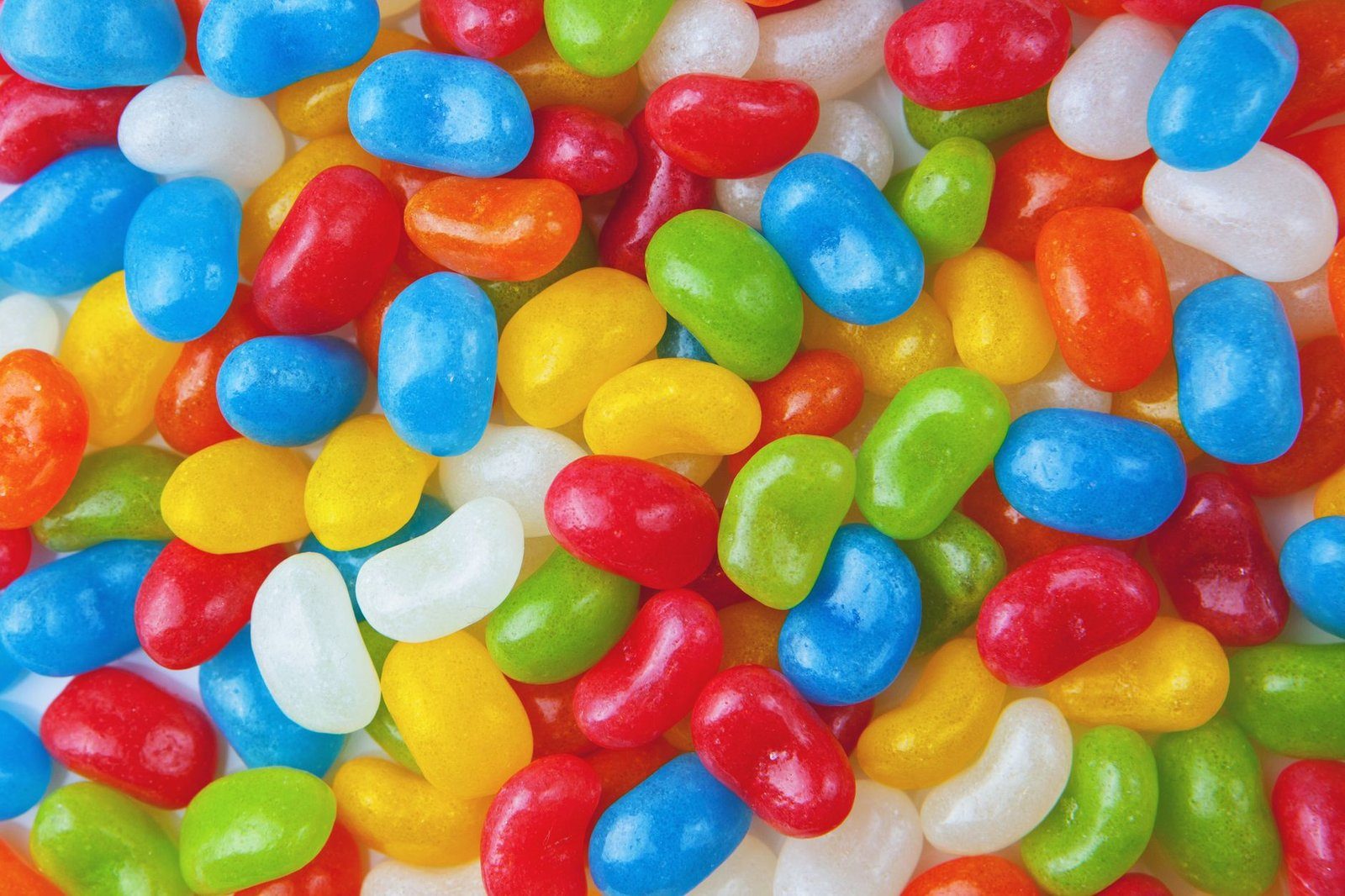
Going hours without eating and then having a sugary snack sends blood sugar on a rollercoaster. The sharp rise triggers a surge of insulin, and blood sugar can then fall faster than the body can adjust — a pattern doctors call reactive hypoglycemia. Since the brain relies on glucose as its main fuel, a sudden drop can leave it running short on energy for a few minutes, which shows up as dizziness, cold sweat, and shakiness.
Coffee and Alcohol Hit the Brain and Balance System Differently
Caffeine narrows blood vessels in the brain: in one perfusion MRI study, a 250 mg dose — roughly two cups of coffee — reduced cerebral blood flow by an average of 27%. Alcohol works differently — it dulls the cerebellum and inner ear structures that coordinate balance and eye movement, which is part of why a spinning sensation is so common after drinking. Both are also diuretics, and the dehydration that follows can make any dizziness worse.

Salty Food and the Fluid Behind Your Inner Ear
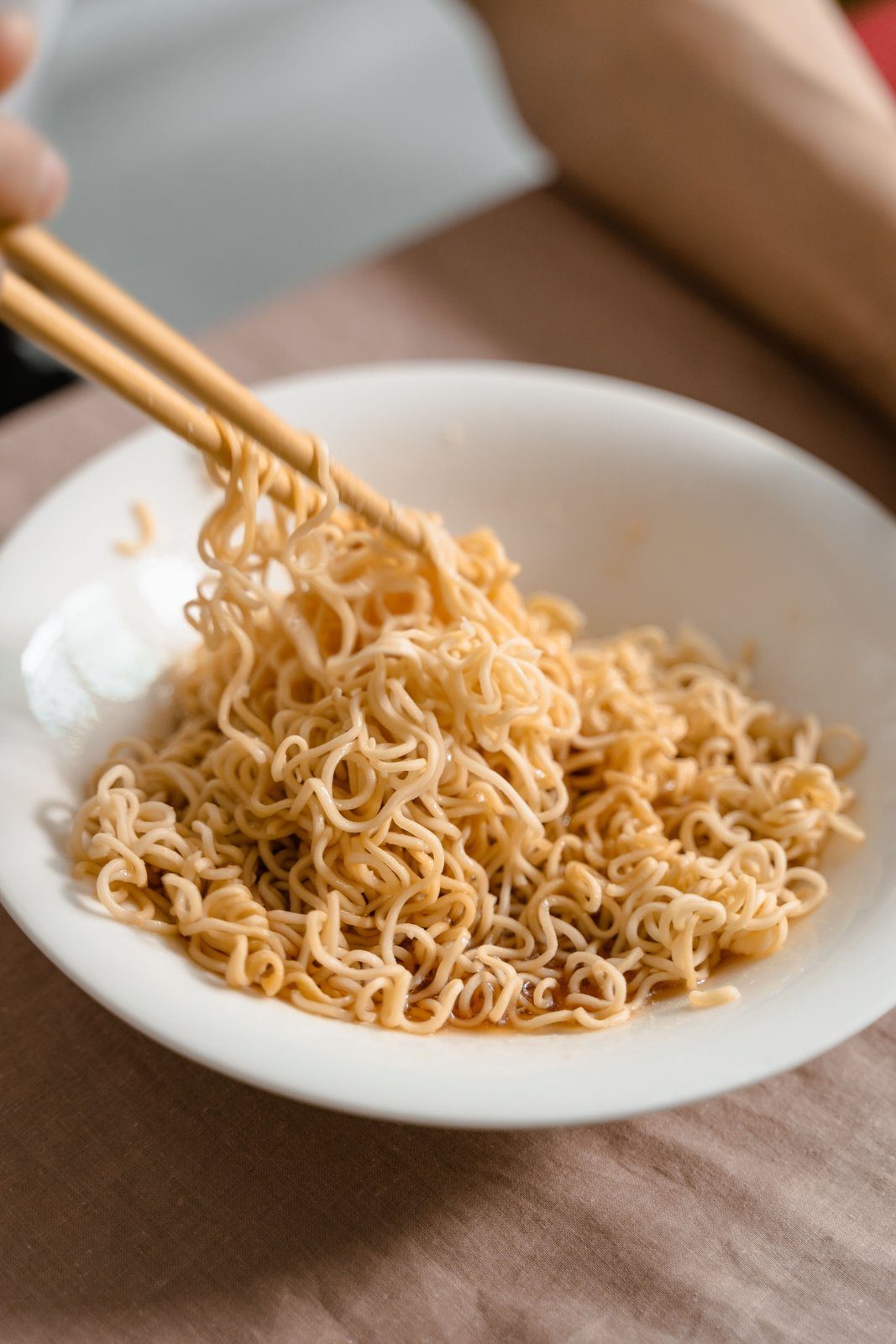
Eating a lot of sodium makes the body hold onto more water, which raises overall blood volume — and some research ties this to pressure changes in the endolymph, the fluid inside the inner ear's balance organ. This is the same reasoning behind the low-sodium diets often recommended for Meniere's disease, where the usual advice is to hold sodium to roughly 1,500–2,300 mg a day alongside steady fluid intake. That advice is clinical convention rather than proven benefit: a 2023 Cochrane review of lifestyle and dietary interventions for Meniere's disease found no placebo-controlled randomised trials of salt restriction at all, and rated the overall evidence as very uncertain. The evidence connecting salty food to dizziness in people without Meniere's is thinner still, so it's more accurate to think of salt as something that can aggravate existing dizziness rather than cause it outright.
3 Habits That Steady the Room
- Eat on a regular schedule — if you're hungry between meals, reach for almonds or a hard-boiled egg instead of candy; protein and fiber slow the glucose spike that leads to a crash.
- Cut back on coffee and alcohol, and stay hydrated — swapping a cup of coffee for water or a caffeine-free herbal tea reduces both the vasoconstriction and the dehydration, and pacing alcohol with water between drinks helps too.
- Pair salty meals with potassium-rich food — a banana or a side of leafy greens with a salty dish can help balance sodium's effect on fluid retention.
The Schedule Matters More Than the List
None of these habits need to disappear completely — eating on a regular schedule, cutting back on coffee and alcohol, and balancing salty meals with potassium-rich food can noticeably reduce how often dizziness shows up. That said, if dizziness keeps recurring or comes with ringing in the ears, hearing changes, or severe headache, it's worth seeing a doctor to rule out causes that diet alone won't fix. This article is for general information only and isn't a substitute for medical advice.
Related articles
 4 min read1 views
Vaginal Yeast Infections: What Raises the Risk, and What Doesn't
Sugar in food is not on the official risk lists for thrush. What the NHS and the US Office on Women's Health actually name, and when to see a doctor.
 3 min read0 views
It's Not the Garlic: What's Really Behind Your Bad Breath
Garlic isn't always the cause of bad breath. Alcohol, dairy, and allergy medication can dry out your mouth and fuel the bacteria behind bad odor.
 6 min read0 views