It's Not the Garlic: What's Really Behind Your Bad Breath
Garlic isn't always the cause of bad breath. Alcohol, dairy, and allergy medication can dry out your mouth and fuel the bacteria behind bad odor.
If your breath doesn't smell great even after a mint, it's easy to blame the usual suspects: garlic, onions, coffee. But three much more ordinary habits — having a drink, having dairy, or taking an allergy pill — can dry out your mouth and set off the same chain reaction that garlic does. Here's what's actually happening, and what tends to help.
Alcohol Dries Out Your Mouth Faster Than You'd Think
Alcohol suppresses antidiuretic hormone (ADH), the hormone that normally signals your kidneys to hold onto water. Without it, your body flushes fluid out faster than usual, and saliva production drops along with it. Saliva isn't just there for comfort — it constantly washes away food debris and rinses out the bacteria that break down proteins into volatile sulfur compounds (VSCs), the actual source of bad breath odor. A single evening of drinking can leave your mouth measurably drier for hours afterward.

Dairy Can Trigger Its Own Sulfur Reaction
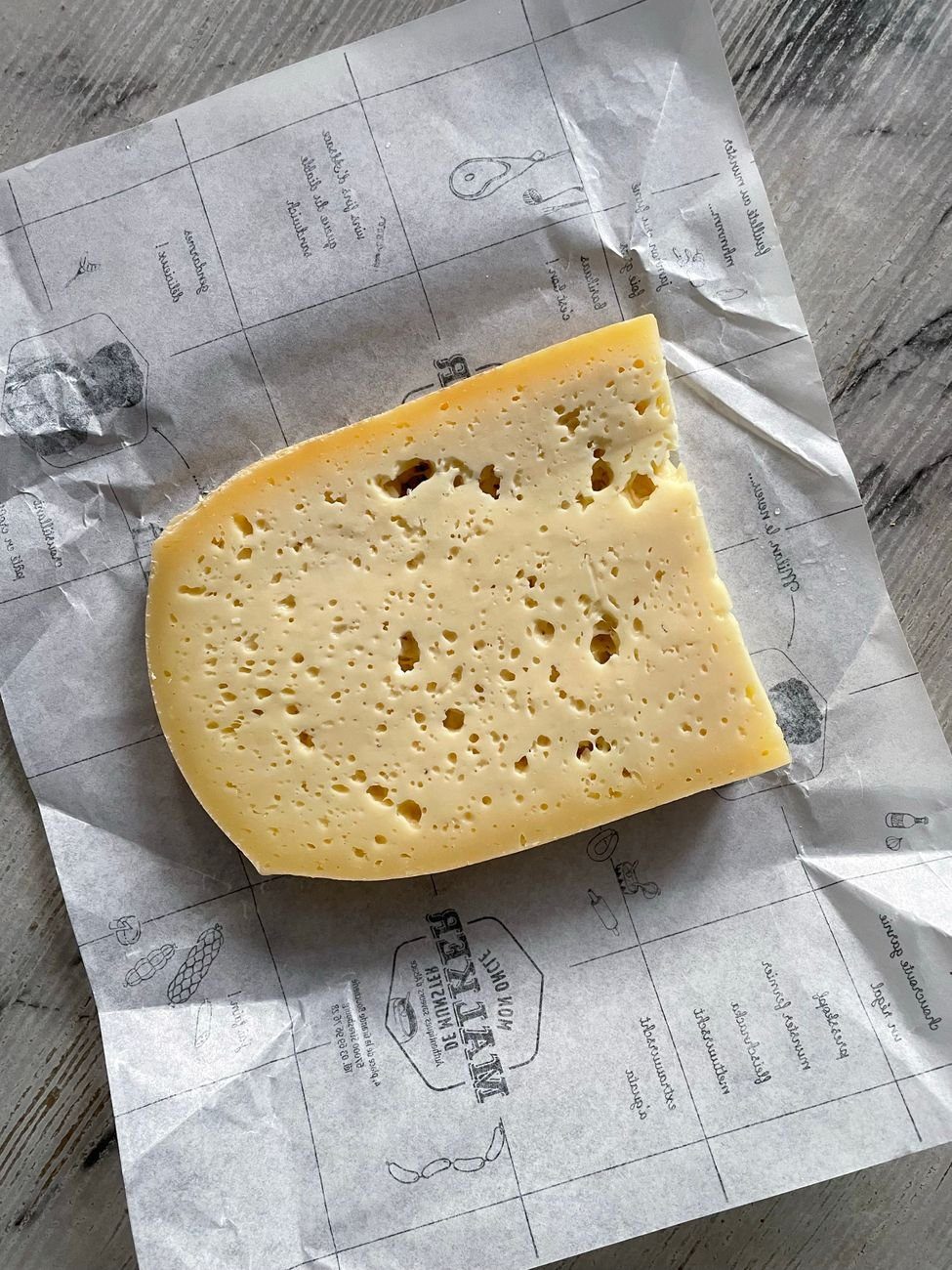
Milk and cheese are rich in proteins and amino acids, and when oral bacteria break those down, one byproduct is hydrogen sulfide — the same compound behind the smell of rotten eggs. This reaction happens directly in the mouth, so it doesn't depend on how much saliva you have the way alcohol-related breath does. It's a separate mechanism, but it stacks on top of any dry-mouth effect if you're also dehydrated or drinking alcohol at the same meal.
Allergy Medication Is a Common, Overlooked Cause
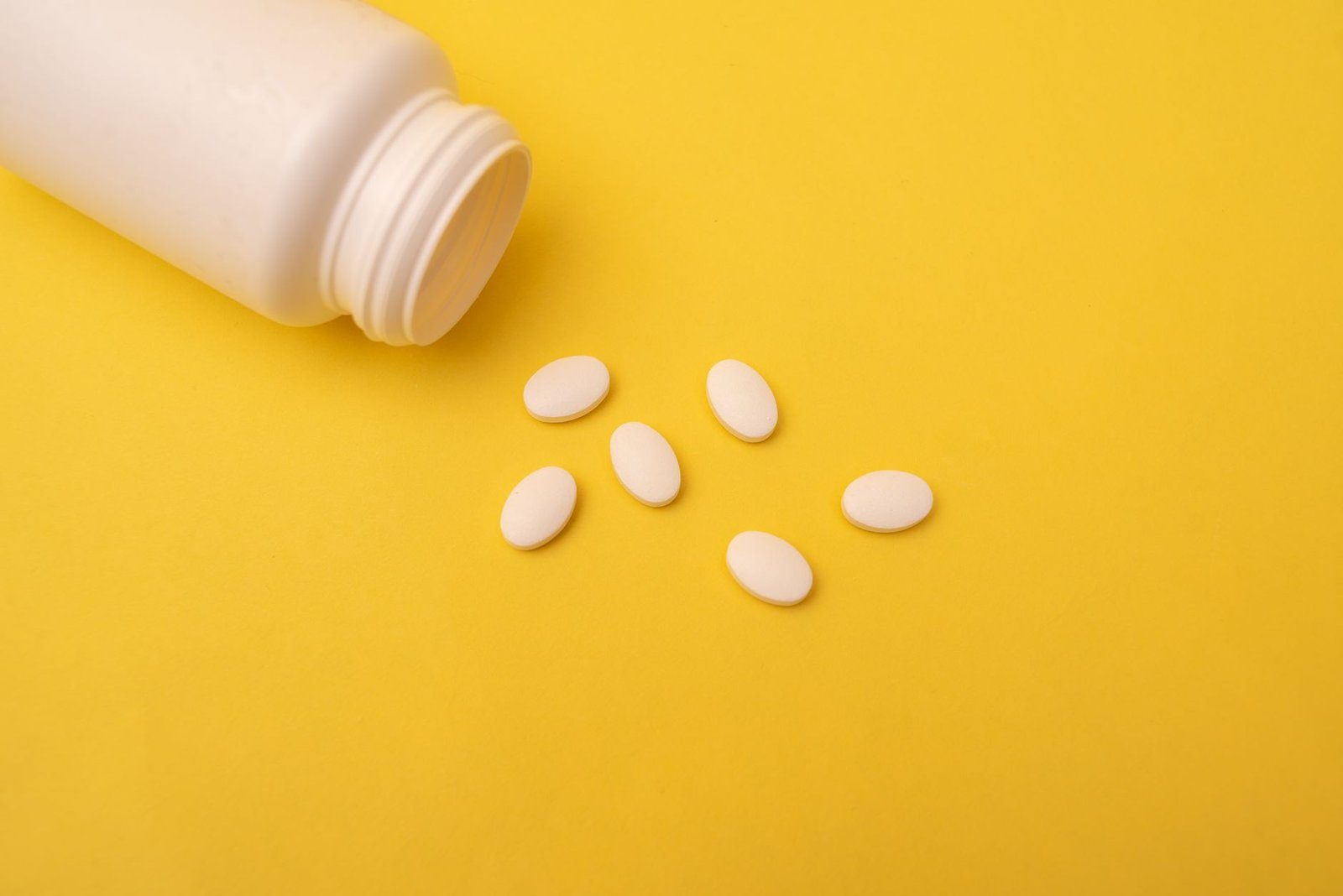
Antihistamines work by blocking histamine receptors, but the dry mouth comes from a different, off-target action: many of them also block muscarinic receptors. Saliva flow is driven mainly by acetylcholine reaching the M3 receptors on the salivary glands, so a drug that gets in the way of that signal leaves less saliva to work with. It is also why antihistamines vary so widely on this — the drying potency tracks the anticholinergic effect, not the antihistamine one. More than 400 medications list dry mouth as a side effect, and common over-the-counter allergy pills are some of the most frequently used. If your bad breath tends to show up during allergy season, the pill in your medicine cabinet may be part of the reason.
Rinse, Sip, and Chew Sugar-Free Gum
- Alternate drinks with water — A glass of water between alcoholic drinks keeps saliva flowing and dilutes some of alcohol's drying effect.
- Rinse or crunch after dairy — A sip of water or a bite of a crisp fruit after cheese or milk helps clear residue before bacteria fully break it down.
- Keep water nearby if you take antihistamines — Sugar-free gum also stimulates saliva flow, and a pharmacist can suggest a lower-drying option.
Keep a Glass of Water Nearby
None of these three habits need to disappear completely. Alcohol, dairy, and allergy medication all affect breath through dry mouth or direct sulfur production, and small adjustments — an extra glass of water, a piece of fruit, sugar-free gum — address the root cause rather than just masking it. This article is for general information only and isn't medical advice; if dry mouth or bad breath is persistent or severe, it's worth checking with a dentist or doctor.
Related articles
 6 min read0 views
Nose Reacting to Wine, Cheese, or Spicy Food? Here's Why
Nasal congestion after wine, aged cheese, or spicy food isn't always allergies. Histamine and capsaicin both irritate the nose - here's what actually helps.
 3 min read5 views
The Real Reason Your Hands and Feet Stay Cold Indoors
Cold hands and feet indoors aren't only about circulation - caffeine, cold drinks, and fried food can each narrow blood flow to your fingers and toes.
 3 min read5 views