Nose Reacting to Wine, Cheese, or Spicy Food? Here's Why
Nasal congestion after wine, aged cheese, or spicy food isn't always allergies. Histamine and capsaicin both irritate the nose - here's what actually helps.
Reaching for a tissue after a glass of wine, a slice of aged cheese, or a spicy meal isn't always a coincidence, and it isn't always classic allergies either. Two different, well-documented reactions can make the nose run or feel blocked right after eating: a histamine reaction triggered by certain foods, and a nerve reflex set off by spicy or piping-hot dishes. Here's what's actually behind each one, what genuinely helps a blocked nose, and when it's worth getting checked.
Histamine-Rich Foods: Aged Cheese, Cured Meats, and Wine
Histamine is a natural compound the body produces, but it's also present in food, and some foods carry a lot of it. Aged cheeses, cured meats like salami and prosciutto, and wine (especially red) build up histamine during fermentation and aging. An enzyme called DAO (diamine oxidase) normally breaks down histamine from food in the gut. When DAO activity can't keep pace, whether from a temporary imbalance or an ongoing sensitivity, the extra histamine can trigger sneezing, a stuffy or runny nose, flushing, and headaches, usually within a couple of hours of eating. Combining several histamine-rich foods in one sitting, like a cheese board with red wine and salami, tends to make the reaction more noticeable than eating just one.

Spicy Food and a Nerve Reflex, Not an Allergy
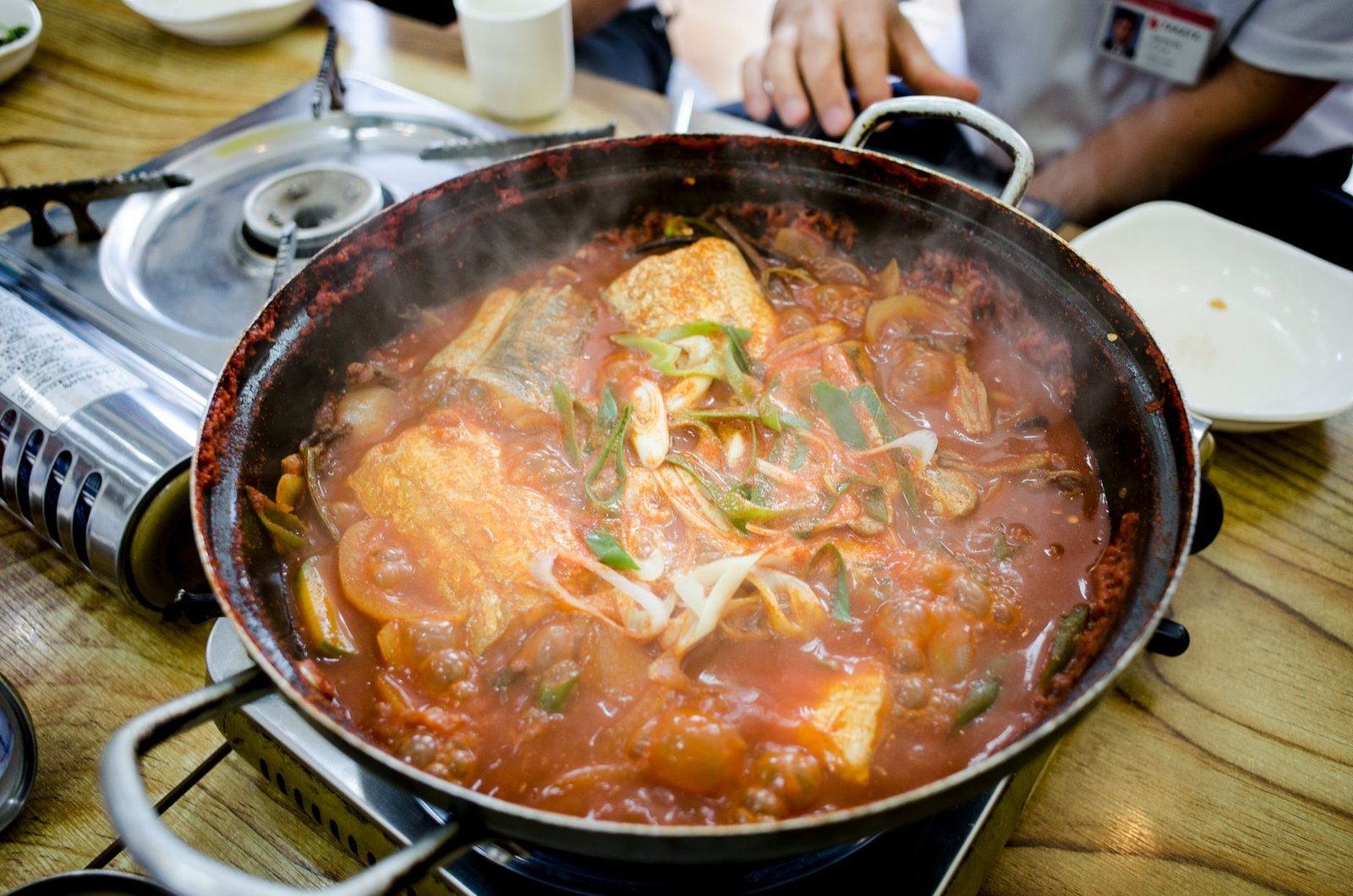
A runny nose partway through a spicy or very hot meal has a different explanation: gustatory rhinitis. Capsaicin, the compound that makes chili peppers hot, activates heat- and pain-sensing nerve receptors (TRPV1) in the mouth and nose. Those nerves connect to the same reflex that controls the nose's mucus glands, so the body responds by producing extra mucus to help flush out the irritant, even though nothing is actually wrong. The NHS lists alcohol and spicy food among the common causes of non-allergic rhinitis — a separate condition from allergic rhinitis, with no immune reaction involved, which is why an allergy test can come back clean while the symptoms are very real.
The Trigger List Is Longer Than Food
If the nose acts up on days with no wine or chili in sight, it's worth knowing how broad the NHS list of non-allergic rhinitis triggers actually is. Alongside alcohol and spicy food it includes changes in the weather such as temperature or humidity, exercise, smoke, perfume and paint fumes, and hormone changes in pregnancy or puberty. Medicines make the list too: ACE inhibitors, beta blockers, aspirin, and anti-inflammatory painkillers such as ibuprofen can all cause it, as can an underactive thyroid. If a blocked nose started around the same time as a new prescription, that's a connection worth raising with a GP or pharmacist rather than acting on alone — no one should stop or adjust a prescribed medicine on their own.
Rinsing With Salt Water: The Water Matters
Salt water rinsing is one of the few self-care steps the NHS recommends outright for both non-allergic rhinitis and sinusitis. Its homemade recipe: boil around 570ml (1 pint) of water and let it cool, then mix in 1 teaspoon of salt and 1 teaspoon of bicarbonate of soda. Wash your hands, cup a palm over a sink, sniff the solution into one nostril at a time while breathing through your mouth, and let it run back out. It can be repeated up to 3 times a day, making a fresh solution each time. The boiling step is not optional. The US CDC warns that tap water can contain low levels of organisms that stomach acid would kill if swallowed, but that can survive in nasal passages and cause rare, serious infections — so it advises using distilled or sterile water, water boiled for 1 minute and cooled, or water run through a filter with an absolute pore size of 1 micron or smaller.
Which Pairings Set You Off
- Skip the cheese-and-wine combo — Aged cheese, cured meat, and red wine are each high in histamine on their own; stacking them in one meal is usually what pushes symptoms over the edge.
- Choose fresher, less-aged options — Fresh mozzarella or ricotta carries far less histamine than a hard aged cheese, and white wine tends to contain less than red.
- Let hot food cool slightly — A few extra minutes before the first bite gives the nerve reflex less to react to.
- Space out trigger foods — Eating them apart instead of back to back gives your body more time to process histamine before the next dose arrives.
- Reach for saline before a decongestant — A salt water rinse can be used daily; a decongestant spray cannot.
One Week Is the Line for Decongestant Sprays
Over-the-counter sprays that unblock the nose work fast, but the NHS is specific about the limit: you can buy them without a prescription, but they should not be used for more than a week, because using them for longer can make the problem worse. That isn't a footnote — overusing decongestant sprays beyond what the packet says appears on the NHS list of causes of non-allergic rhinitis in its own right. Steroid nasal sprays and drops work differently: they reduce swelling rather than squeezing blood vessels, they are prescribed by a pharmacist or GP for sinusitis, and the NHS notes people may need them for a few months. They are a longer-term option to discuss, not something to start, stop, or re-dose on your own.
When to Get It Checked
The NHS advises seeing a GP about non-allergic rhinitis if symptoms get worse, if asthma symptoms appear or worsen, if sleep and everyday life are affected, if the cause isn't clear, or if pharmacy treatments aren't working. For sinusitis, the thresholds are no improvement after 7 days of treatment from a pharmacy or GP, no improvement after 3 weeks of treating it yourself, repeated episodes, or a child aged 11 or younger. One detail is easy to miss: the NHS says a GP may refer you to an ENT specialist if you only have symptoms on one side of your face — so a nose that stays blocked on one side alone deserves a look, as do repeated nosebleeds and a sense of smell that never comes back after a cold. Urgent advice (NHS 111) applies if you are very unwell, painkillers don't help or symptoms get worse, or you have a weakened immune system.
It's the Pairing, Not the Food
Neither food reaction means something is seriously wrong, and neither food group needs to disappear from your plate for good. Paying attention to which combinations set off symptoms, and easing up on those specific pairings, is usually enough. This article is for general information only and isn't medical advice; if congestion is frequent, severe, or comes with other symptoms, it's worth checking with an allergist or ENT doctor.
Related articles
 3 min read5 views
The Real Reason Your Hands and Feet Stay Cold Indoors
Cold hands and feet indoors aren't only about circulation - caffeine, cold drinks, and fried food can each narrow blood flow to your fingers and toes.
 3 min read5 views
Numb, Swollen Hands and Feet: It's Not Just Aging
Numb, cold, or swollen hands and feet aren't always just aging. Fatty broths, creamer coffee, and fruit juice can affect circulation and fluid balance.
 4 min read9 views