Short Sleep Might Be Behind the Body Fat That Will Not Budge
Dieting hard but body fat will not budge? Short sleep, everyday prescriptions, and an unscreened thyroid are common causes — plus what NIDDK says helps.
You cut the portions, swapped the sodas for water, walked more — and weeks later the body fat has barely moved. Before filing that under willpower, it is worth checking the things that work against fat loss quietly, in the background. The National Institute of Diabetes and Digestive and Kidney Diseases (NIDDK) lists sleep, medicines, underlying health problems, and family history alongside diet and activity as factors that affect weight. Three of them get missed far more often than the others.
Short Nights Are Working Against You Before Breakfast
NIDDK's guidance is specific: adults aged 18 to 64 should get 7 to 9 hours of sleep a night, and adults 65 and older 7 to 8 hours. The reason it belongs in a weight article rather than a sleep one is that people who get too little sleep tend to weigh more than people who get enough. NIDDK gives several explanations at once: sleep-deprived people may be too tired to exercise, they take in more calories simply because they are awake longer and have more chances to eat, and lack of sleep may disrupt the balance of hormones that control appetite. Researchers have also noticed changes in the brains of sleep-deprived people that may spark a desire for tasty foods. If you are running on five or six hours and losing the evening-snack argument every night, that is a reasonable first place to look.

The Medicine Cabinet, and the Conditions Nobody Screened You For
Some routine prescriptions change energy balance directly — by making you hungrier, or by making the body burn fewer calories. NIDDK names corticosteroids, some medicines used for epilepsy, depression, or psychotic disorders, some diabetes medicines such as insulin and sulfonylureas, several blood pressure medicines including beta-blockers, alpha-blockers, and calcium channel blockers, and some antihistamines. That is not a reason to stop anything on your own. It is a reason to ask the prescriber a specific question: is weight gain a known side effect of this, and is there an alternative that would work as well for me?
Health problems belong on the same list. NIDDK points to endocrine conditions including hypothyroidism, polycystic ovary syndrome (PCOS), and Cushing's syndrome, as well as depression and long-term stress, as causes of weight gain. If the weight climbed steadily without any change in how you eat, or it comes packaged with fatigue, feeling cold, irregular periods, or easy bruising, the useful next step is a clinician and a blood test — not a stricter diet.

Skip the Myths — Here Is What Moves the Needle
The fixes that hold up are unglamorous and mostly additive rather than restrictive.
- Aim at 5%, not at a goal weight — NIDDK suggests losing 5% of body weight over about six months as a good starting goal. At 200 pounds that is 10 pounds, and NIDDK notes that for people who already have weight-related problems such as high blood pressure or diabetes, losing weight may help improve their health.
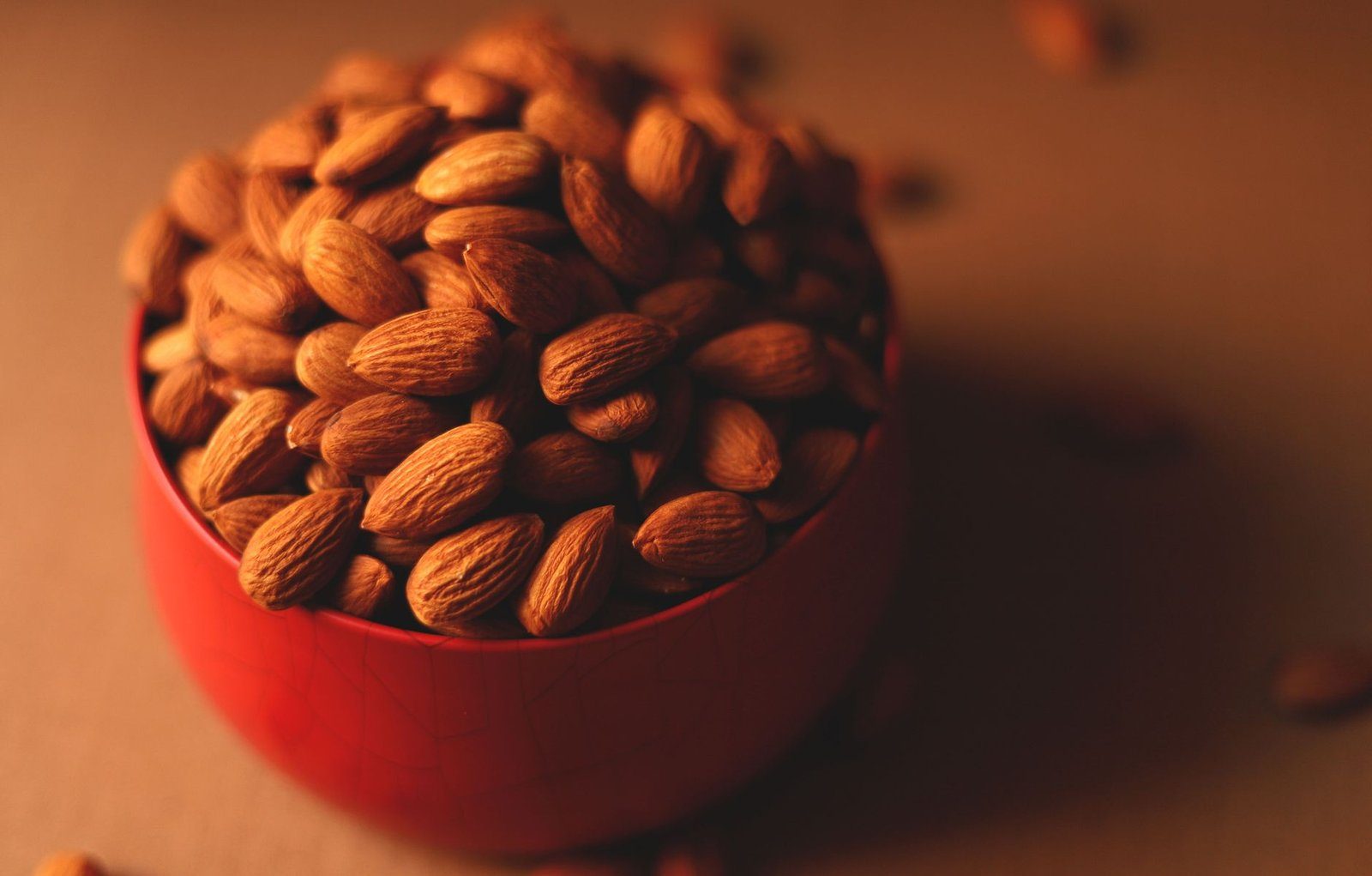
- Close the fiber gap first — Americans average roughly 16 grams of fiber a day, while the recommendation for adolescents and adults is 21 to 38 grams, according to MedlinePlus. Fiber adds bulk and makes you feel full faster, which is why it helps with weight control. A 100-gram serving of cooked chickpeas carries about 7.6 grams of fiber, 8.9 grams of protein, and 164 calories in USDA's food database; cooked lentils come in near 7.9 grams of fiber and 116 calories. Add fiber gradually over a few weeks and drink plenty of water, or you will trade one problem for bloating.
- 150 minutes plus two strength days — The Physical Activity Guidelines for Americans cited by NIDDK call for at least 150 minutes a week of moderate-intensity aerobic activity, such as brisk walking, plus muscle-strengthening work covering all major muscle groups on two or more days a week.
- Cut the sweetened drinks, and watch the salt — NIDDK's own advice on this page is qualitative: limit sugar-sweetened drinks and foods, foods with added salt, and solid fats, and it sends readers to MyPlate for the specifics. The numbers sit in the Dietary Guidelines for Americans, which hold saturated fat under 10% of daily calories from age 2 on and sodium under 2,300 milligrams a day for anyone 14 and older, and advise limiting added sugars. Sweetened beverages are the leading source of added sugars in American diets, so that is the swap worth making first.
The Checklist Before You Blame Willpower
Run back through the four things this article pointed at. Are you actually sleeping 7 to 9 hours, or estimating? Have you asked a pharmacist whether anything in your daily prescriptions lists weight gain? Has anyone checked your thyroid? Are you anywhere near 21 to 38 grams of fiber a day? And are you measuring your waist as well as your weight — NIDDK flags more than 35 inches for women and more than 40 inches for men as the point where people may be more likely to develop health problems. Extra fat in the abdomen may raise risk even for people who are not overweight overall. This article is general information, not medical advice; if weight has changed sharply without an obvious reason, or the stall comes with other symptoms, ask a health care professional to look into it.
Related articles
 5 min read0 views
Lactose Intolerance: Milk Upsets You but Aged Cheddar Doesn't
About 36% of people in the U.S. don't fully digest lactose, yet many handle around 12 grams at a time. Here's how to keep dairy without the cramps.
 3 min read3 views
Nighttime Heartburn? Blame Coffee, Soda, and Fried Food
Coffee, soda, and late-night fried food can raise stomach acid and pressure, triggering heartburn. Here's the science and simple swaps that actually help.
 4 min read1 views