Nails Splitting, Peeling, or Ridging No Matter What You Try?
Nails splitting, peeling, or ridged no matter what you try? Wine, coffee, and instant noodles may be quietly working against you - here's what helps.
Doing everything "right" for your nails and still watching them split, peel, or develop ridges? It's easy to assume this comes down to age or genetics, but a handful of everyday food and drink habits can play just as big a role - and none of them have anything to do with how old you are. Three in particular tend to come up again and again when you look closely at what's actually happening.
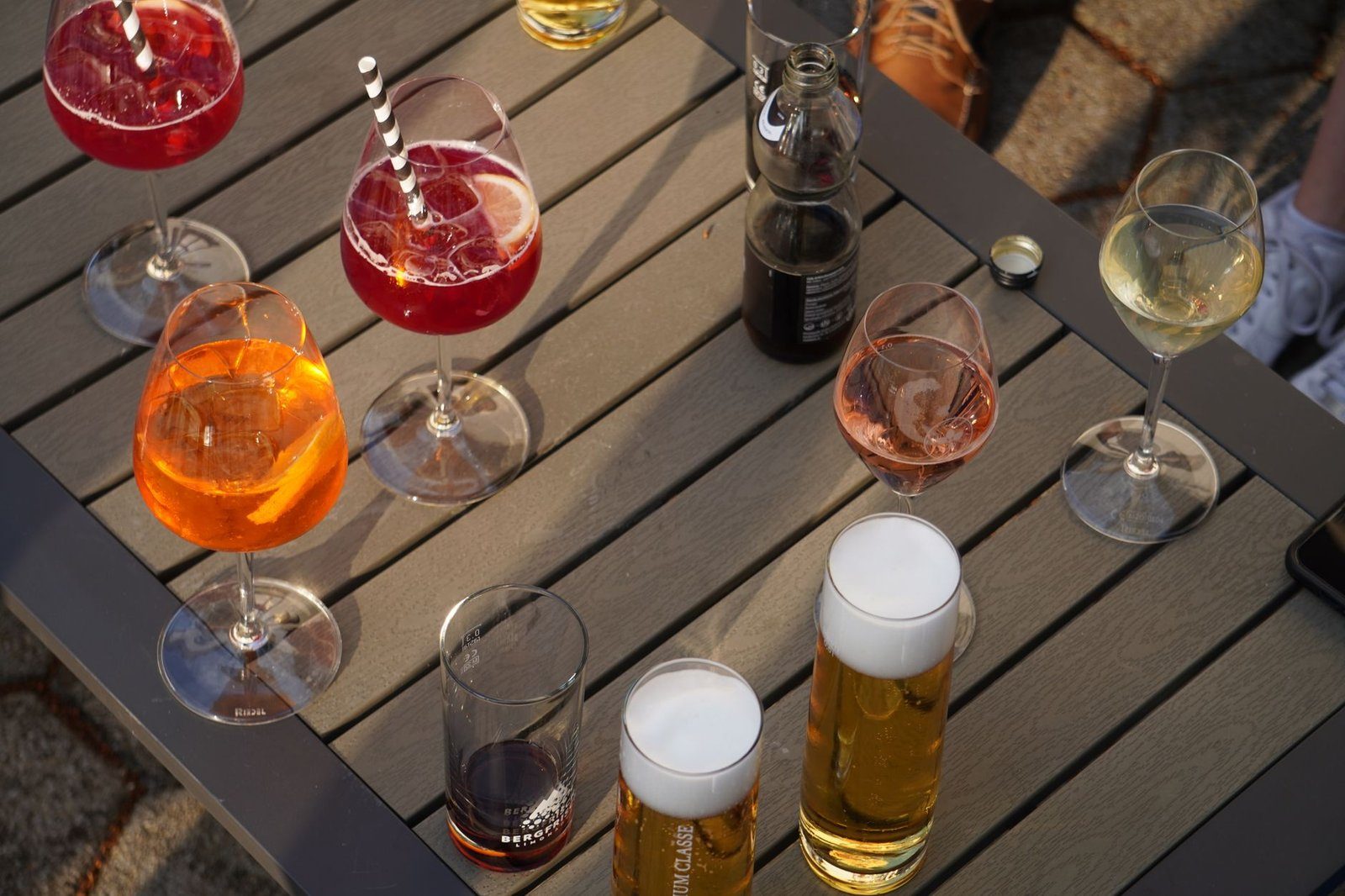
Wine and Beer: How Alcohol May Drain Your Biotin
Nails are built almost entirely from keratin, a structural protein that depends on biotin (vitamin B7) for its production. Frequent, regular alcohol intake is one of the more well-documented risk factors for biotin deficiency - alcohol can interfere with how well biotin is absorbed in the gut and may speed up how quickly the body uses it up. Over time, that can leave nails thinner, more brittle, and more prone to splitting at the tip. This isn't only about what most people would call heavy drinking; even a glass of wine most nights can chip away at biotin reserves for some people.
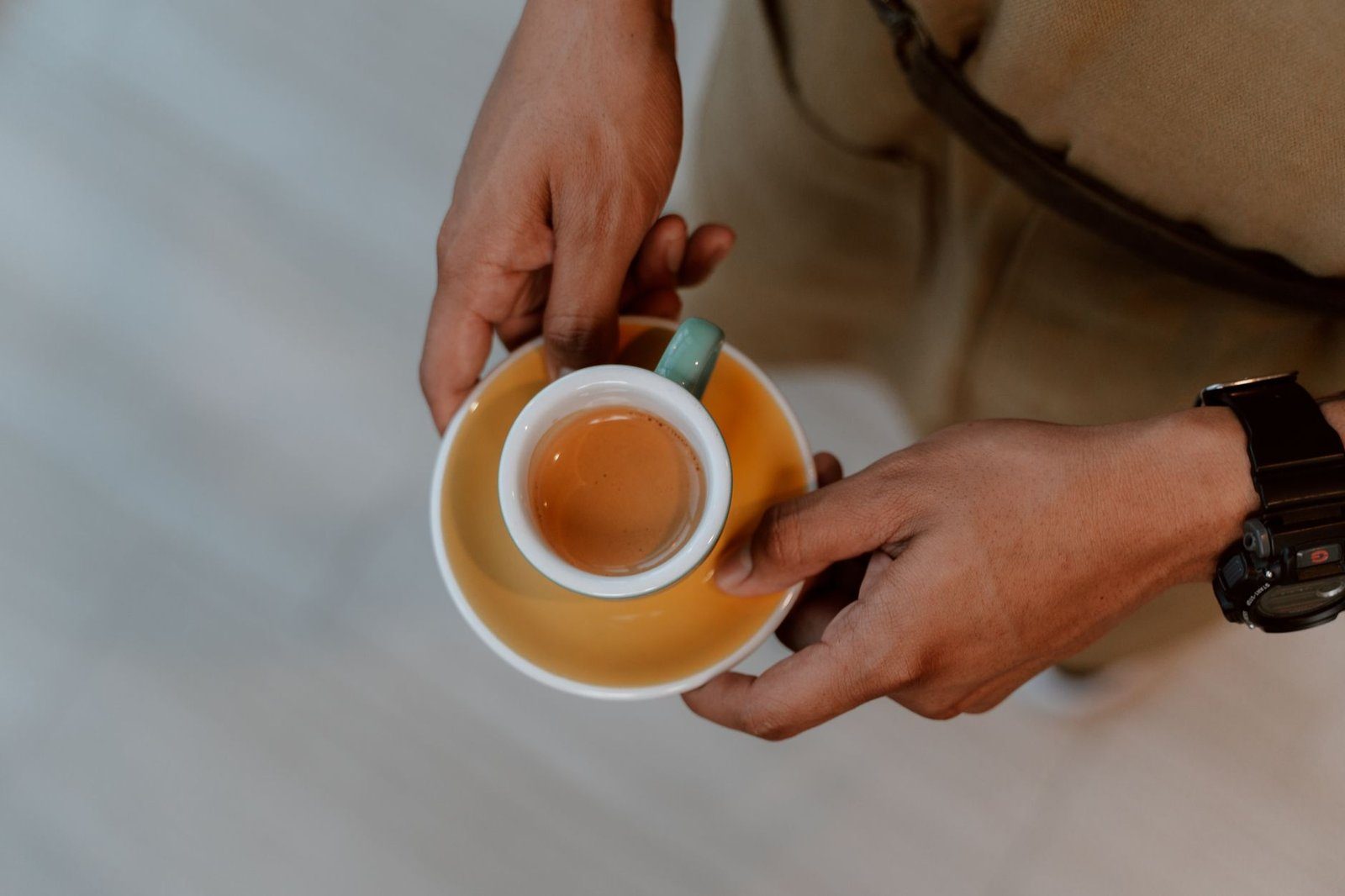
Coffee: Why Its Plant Compounds May Block Iron and Zinc
It's not caffeine itself that's the main culprit here - it's the polyphenols in coffee, particularly chlorogenic acid and tannins. These compounds bind to plant-based iron and zinc in the gut, forming compounds that are harder for the body to absorb. Both minerals are directly involved in cell division and keratin production, so a prolonged shortfall can show up in nails as slower growth, added brittleness, or small white spots. The effect tends to be strongest when coffee is consumed during or right after an iron-rich meal.
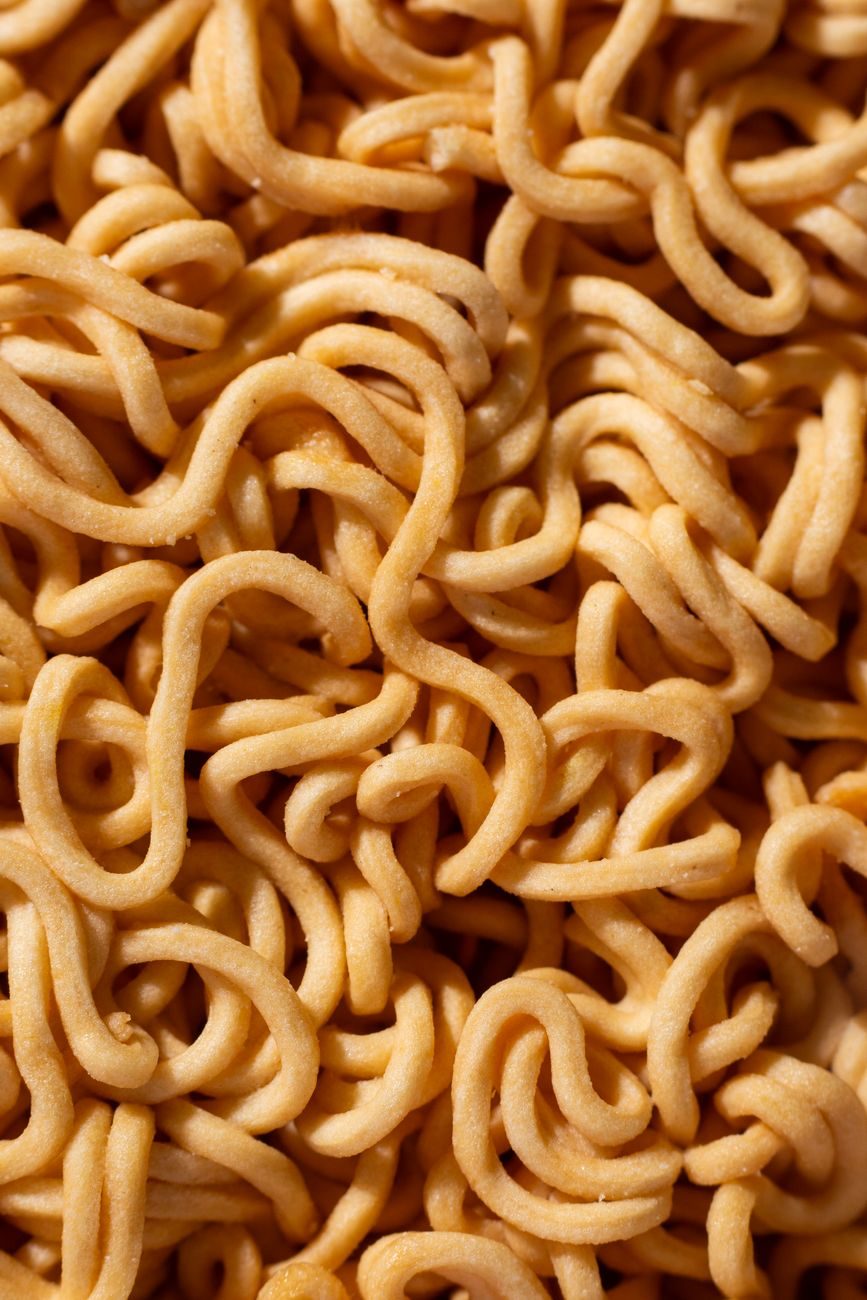
Instant Noodles: Why They Fall Short on Nail-Building Nutrients
Instant noodles and similar convenience meals are fast and easy, but calorie for calorie they typically deliver far less protein and zinc than whole foods. USDA composition data put dry instant ramen at roughly 2.3 g of protein and 0.14 mg of zinc per 100 calories, against about 7.8 g of protein and 1.1 mg of zinc for the same calories from cooked lentils. Iron is the exception: instant noodles are usually made from enriched flour, so the iron figure itself holds up, but it is nonheme iron, which the body absorbs less efficiently than the heme iron in meat and fish. When they replace a large share of meals over time, the body simply doesn't have the raw materials it needs to keep building smooth, sturdy nail tissue. That's also part of why a diet heavy in ultra-processed convenience food often coincides with a similar dip in hair and skin vitality.
What Actually Helps Nails Grow Stronger
- Alternate wine with water — this one small habit can meaningfully ease the pressure on biotin reserves without having to give it up entirely.
- Space coffee away from main meals — waiting roughly an hour before or after eating noticeably reduces its blocking effect on iron and zinc.
- Eggs and legumes like lentils or chickpeas — these combine protein, iron, and zinc in ratios the body can put to good use for new nail growth. Vegetarians and vegans can lean more heavily on the legume side of that list.
- Rubber gloves for dishwashing — dish soap dries out nails too and can contribute to splitting, regardless of diet.
Different Habits, the Same Shortfall
Wine, coffee, and instant noodles might look like three unrelated habits, but they can weaken nails through similar mechanisms: less available biotin, reduced iron and zinc absorption, or simply not enough raw material to rebuild with. None of them need to disappear completely - adjusting the amount or the timing is often enough to see a difference. This article is for general information and isn't a substitute for medical advice; if nail changes appear suddenly or come with a change in color, it's worth checking in with a healthcare provider.
Related articles
 3 min read1 views
Dizziness Isn't Always Low Blood Sugar: 3 Habits Behind It
Skipping meals then eating sugar, coffee, alcohol, and salty food can each trigger dizziness through different mechanisms. Here's the research and what helps.
 4 min read1 views
Vaginal Yeast Infections: What Raises the Risk, and What Doesn't
Sugar in food is not on the official risk lists for thrush. What the NHS and the US Office on Women's Health actually name, and when to see a doctor.
 3 min read0 views