Why Does Your Ear Feel Clogged and Itchy After Swimming?
A clogged, itchy ear after swimming isn't only leftover water - trapped moisture, cotton swabs, and earbuds all play a role in the irritation.
If your ear feels clogged and itchy for days after a swim, it's easy to assume the water just hasn't drained yet. In most cases, though, the real driver is what's happening inside the ear canal once that water gets trapped - and a couple of everyday habits are often making it worse without you realizing it. Here's what's actually going on, and what tends to help.
Trapped Moisture Turns the Ear Canal Into a Breeding Ground
The skin lining the ear canal is normally protected by a thin, slightly acidic layer of earwax that keeps bacteria and fungi in check. Swimming, showering, or spending time in a humid environment can leave water sitting against that skin, washing away the protective layer and softening the tissue underneath. That warm, damp environment is exactly what bacteria such as Pseudomonas aeruginosa and Staphylococcus aureus need to multiply, which is why swimmer's ear (otitis externa) tends to show up within a day or two of getting water trapped in the ear.

Cotton Swabs and Earbuds Make It Worse
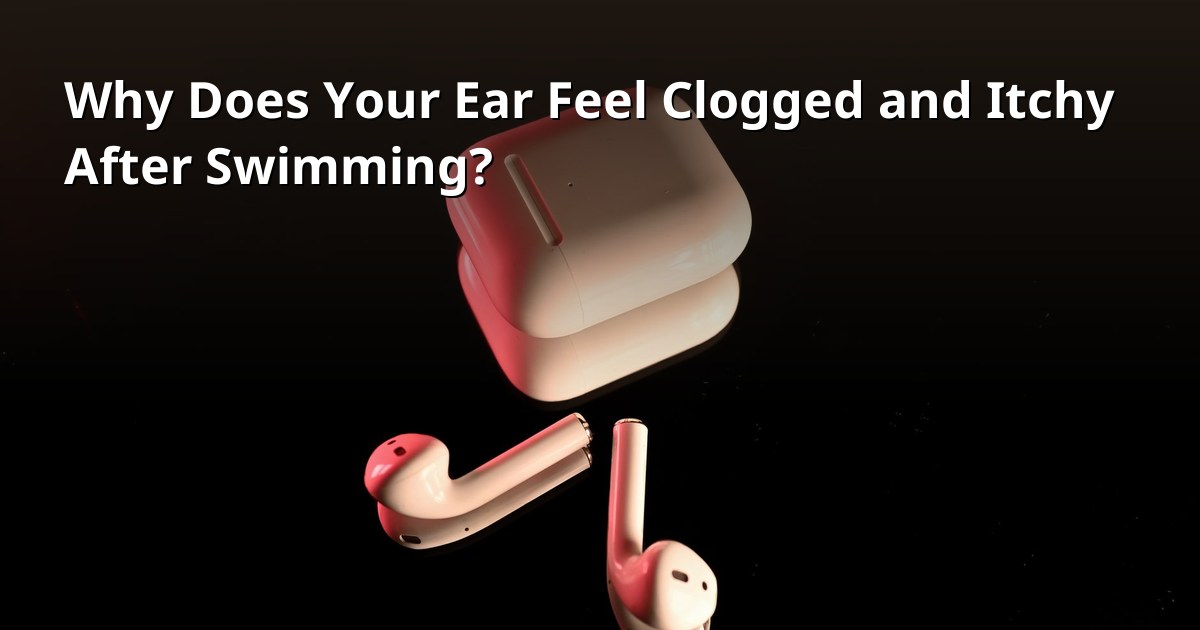
Cotton swabs are one of the most common culprits behind ear canal irritation. Rather than removing wax, they usually push it deeper and scrape the thin skin lining the canal, creating tiny scratches that give bacteria an easy way in. Earbuds and in-ear headphones add another layer of risk: wearing them for hours at a time traps heat and moisture against the same skin, and the constant friction from insertion and removal can cause further irritation, especially if the ear canal is already inflamed.
What Actually Helps
- Tilt your head and dry gently - After swimming or showering, tilt your head to each side to let water drain, then dry the outer ear with a towel. Don't insert anything into the canal itself.
- Skip the cotton swabs entirely - earwax works its way out on its own; if it feels blocked, it's worth having it checked instead of digging at it.
- Try an over-the-counter drying drop - Pharmacies commonly carry ear drops combining isopropyl alcohol and acetic acid, which help evaporate trapped water and make the canal less hospitable to bacteria after swimming.
- Give your earbuds a break - swap to over-ear headphones when possible, and let your ears air out during long calls or workouts.
None of this means avoiding pools or headphones altogether - a few changes to drying and cleaning habits usually make the biggest difference. If pain, swelling, or discharge doesn't improve within a couple of days, it's worth seeing a doctor, since a more established infection may need prescription drops. This article is for general information only and isn't a substitute for medical advice.
Related articles
 3 min read6 views
Tinnitus Worse at Night? Alcohol, Energy Drinks, and Salt
If your tinnitus gets louder at night, alcohol, energy drinks, and salty processed food may be raising blood flow and fluid pressure in your inner ear.
 3 min read17 views
Skin Collagen Loss: 3 Everyday Habits Secretly Draining It
Smoking, unprotected sun, and added sugar all trigger collagen breakdown through the same skin enzymes. Here's the science behind it and what may actually help.