3 Hot-Weather Hydration Mistakes That Leave You Dizzy and Drained
Dizzy after a few hours in the heat? Coffee, beer and plain water each move your fluid balance differently, and US heat guidance is oddly specific.
Dizziness, a heavy head and that wrung-out feeling after a few hours outside in summer usually get blamed on the temperature alone. Fluid balance is normally part of the picture too, just not in the way most hot-weather advice suggests. Three widely repeated assumptions are worth a second look: that coffee dries you out, that a cold beer still counts as a drink, and that plain water is always the safest choice. US occupational guidance and hydration research say something more specific about each one.
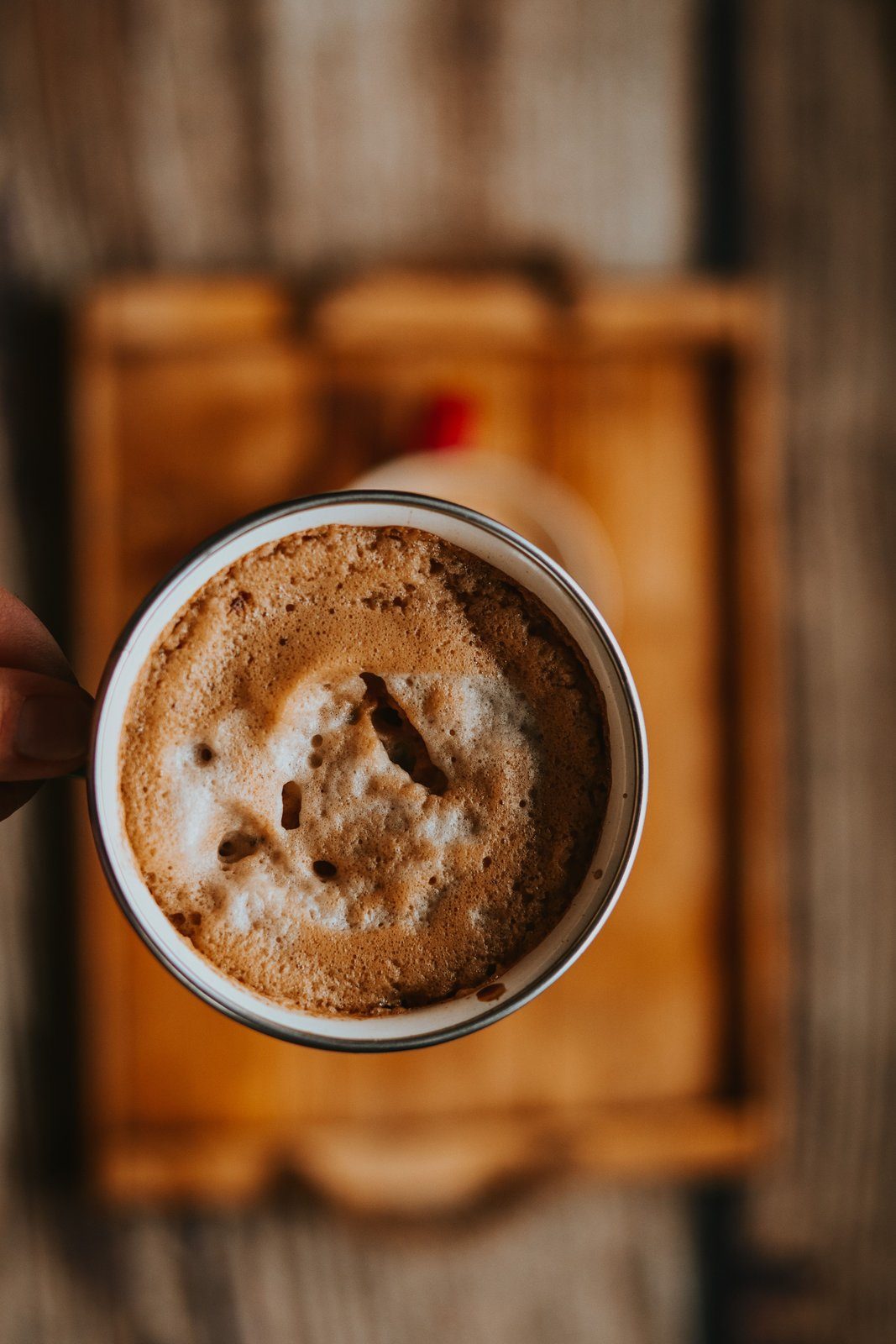
Mistake 1: Dropping Coffee Because You Assume It Dehydrates You
Caffeine has a mild diuretic effect, which is where its reputation comes from. But a counterbalanced crossover study published in PLOS ONE in 2014 put that reputation to the test directly: 50 habitual coffee drinkers spent three days on four 200 mL cups of coffee a day, then three days on the same volume of water. Across 24-hour urine volume, urine specific gravity, osmolality and blood markers, the researchers found no meaningful difference between the two. Their conclusion was that moderate coffee offers hydrating qualities similar to water in people already used to caffeine. Worth noting: every participant was a habitual male coffee drinker, so this is not a blanket finding for everyone.
Where heat guidance does push back is on the high end. NIOSH advises workers in hot conditions to steer clear of drinks loaded with caffeine or sugar, since stacking several energy drinks in a day adds cardiovascular strain on top of what the heat is already demanding. The concern is dose and what else is in the can, not your morning cup.
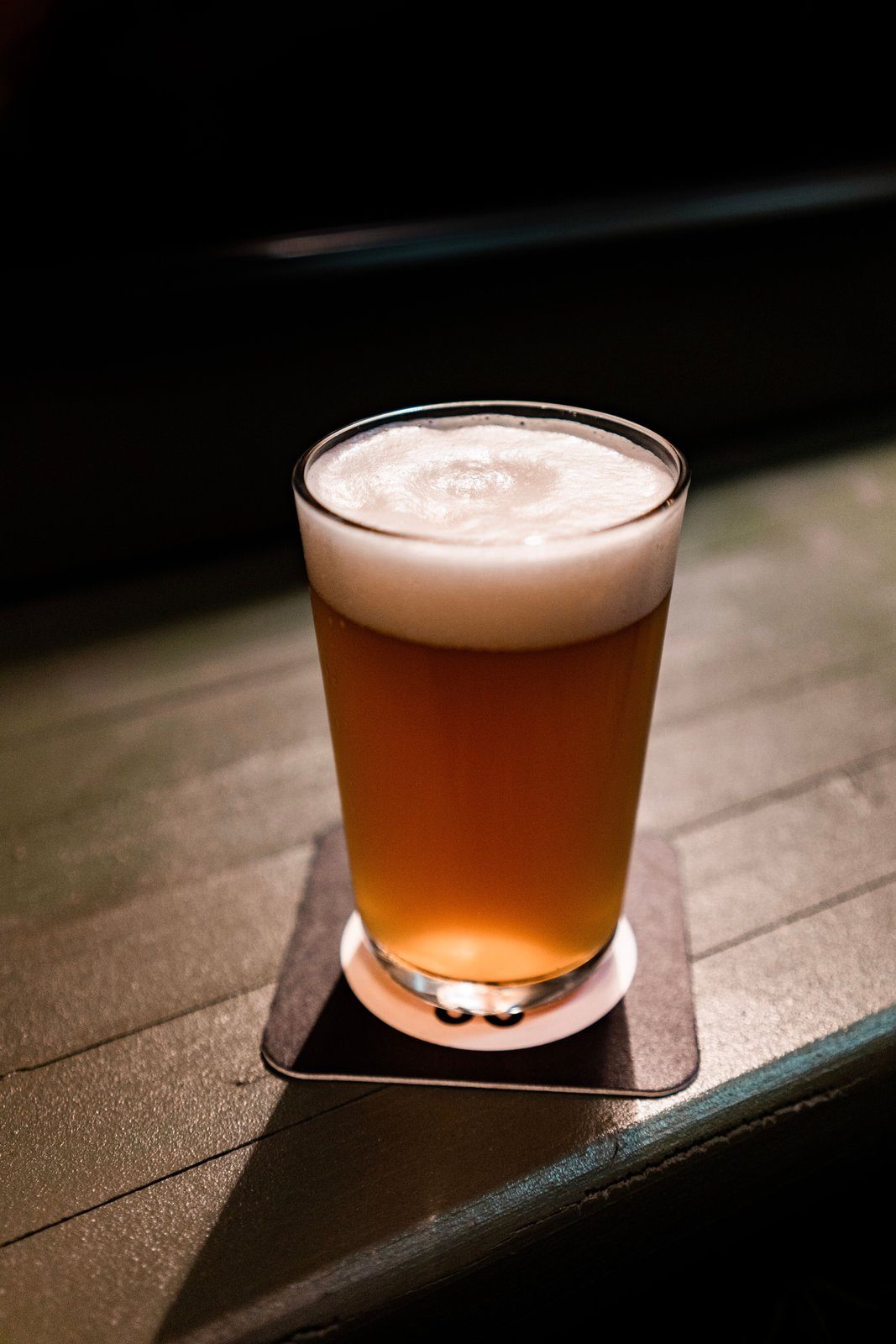
Mistake 2: Counting a Cold Beer as Part of Your Fluid Intake
Alcohol suppresses vasopressin, the hormone that tells the kidneys to hold on to water, so a share of what you drink leaves again rather than staying in circulation. That is why OSHA's heat stress guide tells employers to replace fluids with cool water or any cool liquid apart from alcoholic beverages, and why alcohol use appears on its list of factors that change how sensitive a person is to heat. Worker guidance commonly extends that to the 24 hours before a shift in the heat, not just during it.
The laboratory evidence is thinner than the confidence of that advice suggests. A 2024 systematic scoping review in the journal Environmental Health gathered the controlled studies on alcohol and heat stress and found that acute, moderate doses did not clearly worsen thermoregulation or standard hydration markers. The authors were blunt about the limits, though: all 93 participants across those studies were male, doses averaged around the legal driving limit, and heat exposures averaged roughly 70 minutes, while heatwave deaths tend to accumulate over days and at far higher blood alcohol levels. The advice to skip alcohol around long stretches in the heat is precautionary rather than disproven, and it costs nothing to follow.
Mistake 3: Drinking Nothing But Water, and Drinking a Lot of It
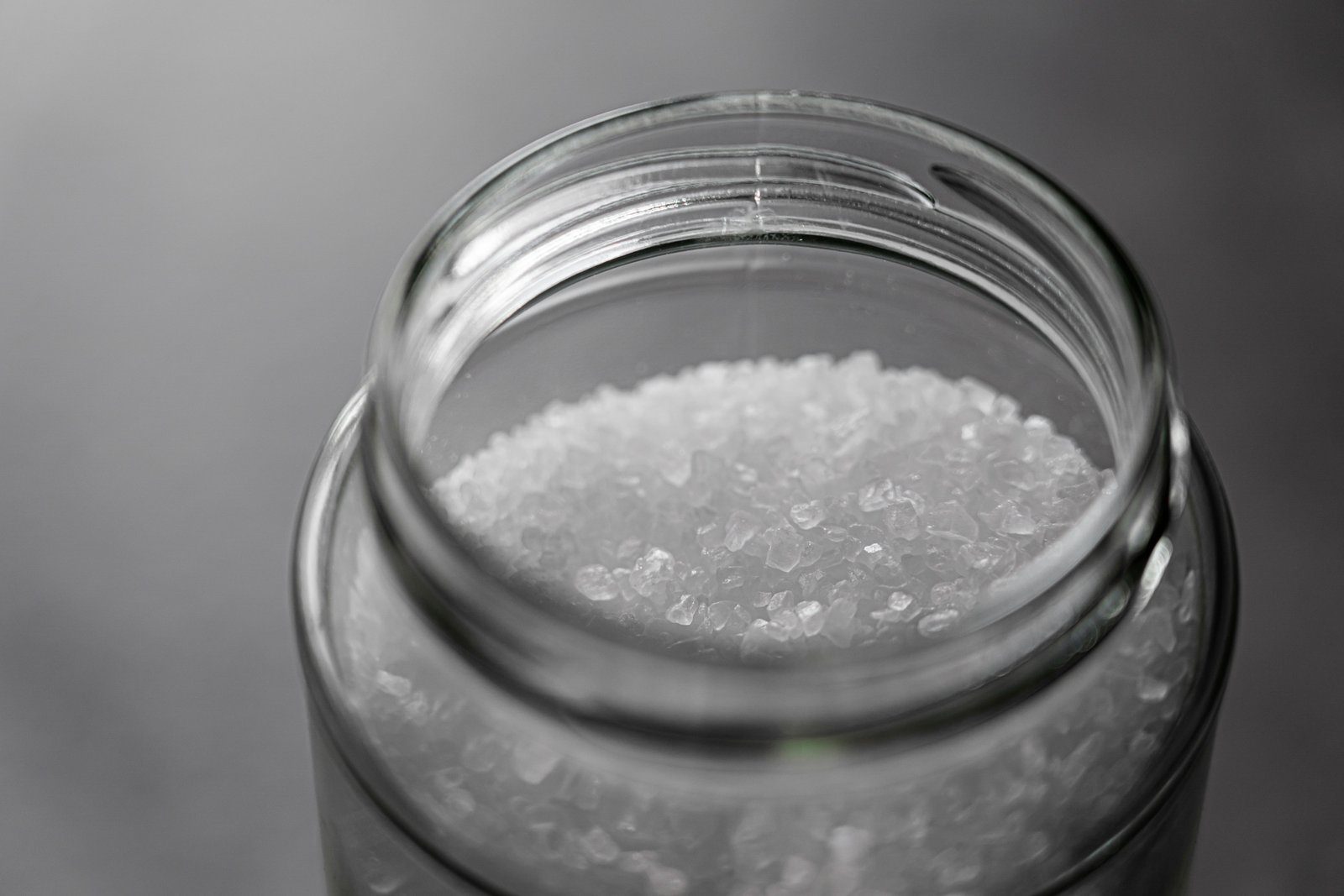
For a short spell outdoors, water is genuinely enough. The OSHA-NIOSH heat illness infosheet is explicit that regular meals and snacks supply enough salt and electrolytes to cover what sweat carries off, as long as you are drinking enough water, and that electrolyte drinks are usually not necessary for moderate work. Its practical rule is about one cup every 15 to 20 minutes during moderate activity in moderately hot conditions, sipped before thirst rather than after.
The picture changes once sweating runs long. OSHA's water, rest and shade guidance draws the line at roughly two hours: past that, it recommends electrolyte-containing beverages such as sports drinks, on the plain reasoning that water cannot replace the salts sweat removes. The OSHA-NIOSH infosheet also warns that drinking extreme amounts of water is harmful in its own right and puts a ceiling on it, generally no more than 12 quarts, about 48 cups, across 24 hours. Flooding the system with plain fluid during prolonged exertion is how blood sodium gets diluted, the pattern sports medicine calls exercise-associated hyponatremia, which shows up as nausea, cramping and confusion and can become serious.
What Changes When You Get the Mix Right
Matching the drink to the length of the exposure is most of the job. Get that right and the afternoon slump, the calf cramp on the drive home and the headache that shows up at dinner all become less likely.
- Steady sips, started early — roughly a cup every 15 to 20 minutes during moderate activity in the heat, rather than waiting for thirst or catching up all at once.
- Short outing: water plus normal meals — your food is already doing the electrolyte work, so a sports drink adds little.
- Past about two hours of sweating: add electrolytes — a sports drink or an oral rehydration mix from any US grocery store or pharmacy covers it.
- Skip salt tablets — OSHA advises against them for heat cramps, pointing to water with a snack or carbohydrate-electrolyte drinks every 15 to 20 minutes instead.
- Treat coffee as one of your fluids, not the main one — and keep alcohol out of the hours before a long stretch in the heat.
One Thing to Change Before the Next Hot Day
Pick the next hot afternoon you can already see coming, whether that is yard work, a long walk or a day at an outdoor event, and decide in advance what your second drink will be. Not the first one, which is nearly always water and nearly always fine. The second is where a couple of hours of sweating starts to outrun what plain water can replace, and it is the one almost nobody plans for. Put a sports drink or an electrolyte packet in the bag tonight and the decision is already made.
One line worth keeping separate from all of this: confusion, a very high body temperature or skin that has stopped sweating are not signs to drink your way out of. Heat stroke is a medical emergency, and the right response is to move to a cool place and call emergency services. This article is general health information and is not a substitute for advice from a healthcare professional.
Related articles
 3 min read5 views
The Real Reason Your Hands and Feet Stay Cold Indoors
Cold hands and feet indoors aren't only about circulation - caffeine, cold drinks, and fried food can each narrow blood flow to your fingers and toes.
 3 min read5 views
Numb, Swollen Hands and Feet: It's Not Just Aging
Numb, cold, or swollen hands and feet aren't always just aging. Fatty broths, creamer coffee, and fruit juice can affect circulation and fluid balance.
 4 min read9 views