Chronic Fatigue: 3 Everyday Habits That Quietly Drain Your Energy
Chronic fatigue isn't always about sleep. Mild dehydration, low magnesium, and late-night screen time can quietly drain your energy every day.
When exhaustion lingers no matter how many hours you sleep, it's tempting to assume the problem is the sleep itself. But at least three ordinary daily habits can quietly drain energy regardless of how much time you spend in bed: running low on water, falling short on magnesium, and scrolling on a bright phone before sleep. Here's how each one plays a role, and what actually helps.
Mild Dehydration and Fatigue
Losing as little as 1.5% of body weight in fluid counts as mild dehydration, and research from the University of Connecticut found it was enough to worsen mood, raise perceived fatigue, and dull concentration in both men and women — often before anyone even felt thirsty. Coffee and soda don't rehydrate the way plain water does, since caffeine has a mild diuretic effect that can offset some of the fluid gained.

Falling Short on Magnesium
According to the NIH Office of Dietary Supplements, an analysis of NHANES 2013–2016 data found that 48% of Americans take in less magnesium from food and drink than the estimated average requirement. The same fact sheet is careful to add that symptomatic deficiency from diet alone is uncommon in otherwise healthy people, because the kidneys limit how much magnesium is excreted — so this is about running at the low end of the range, not about a clinical deficiency. Magnesium is directly involved in energy metabolism, helping cells convert food into usable energy — running low leaves that process short-changed throughout the day, on top of effects on muscle function and sleep quality. Spinach, almonds, and pumpkin seeds are among the most accessible everyday sources.

Screen Time Before Bed
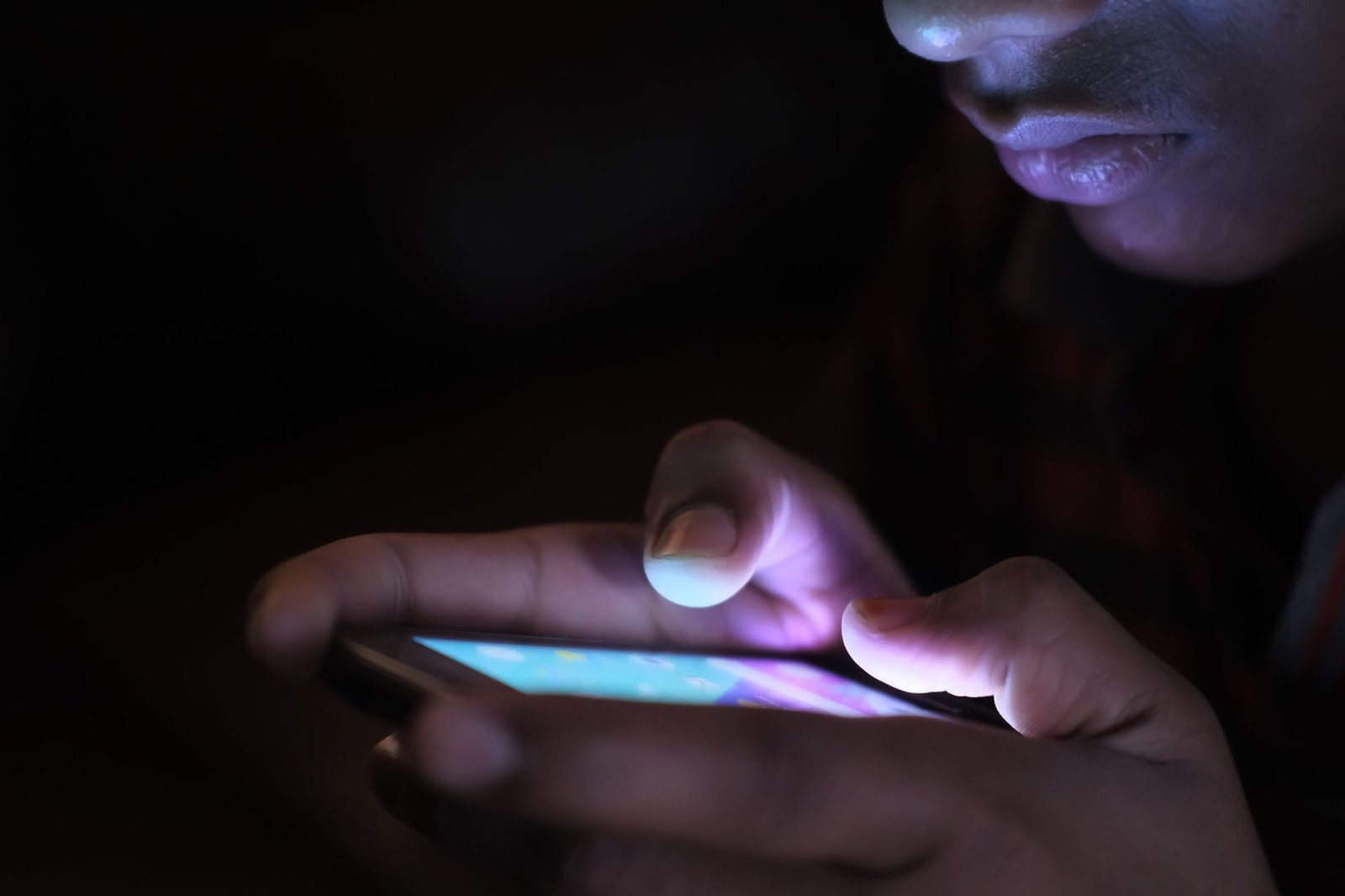
Blue light from phones and other backlit screens suppresses melatonin, the hormone that signals it's time to sleep. In a home-based study of adolescents, one hour on a self-luminous device suppressed melatonin by about 23%, and two hours by about 38%. In adults reading on tablets, a two-hour session produced a similar drop of roughly 22%, while one hour was not enough to register a reliable change. Less melatonin means it takes longer to fall asleep and less time is spent in deep, restorative sleep stages — even after a full eight hours in bed, that sleep ends up lower quality.
Carry the Bottle, Put Down the Phone
- Carry a water bottle — Sipping throughout the day, before thirst sets in, helps avoid the dip in mood and focus that mild dehydration causes.
- Add magnesium-rich foods to a meal — Spinach, almonds, or pumpkin seeds are simple, accessible ways to close the gap.
- Put the phone down an hour before bed — Dimming lights and switching to a book or a low-light routine protects melatonin release.
Back Through Water, Magnesium, and Screens
None of these three habits need to be eliminated completely — small, consistent changes to water intake, meals, and evening screen use can meaningfully lighten how heavy tomorrow feels. This article is for general information only and isn't medical advice. If fatigue continues for more than two weeks despite adequate sleep, it's worth checking in with a doctor to rule out other causes.
Related articles
 3 min read5 views
The Real Reason Your Hands and Feet Stay Cold Indoors
Cold hands and feet indoors aren't only about circulation - caffeine, cold drinks, and fried food can each narrow blood flow to your fingers and toes.
 3 min read5 views
Numb, Swollen Hands and Feet: It's Not Just Aging
Numb, cold, or swollen hands and feet aren't always just aging. Fatty broths, creamer coffee, and fruit juice can affect circulation and fluid balance.
 4 min read9 views