Skin Collagen Loss: 3 Everyday Habits Secretly Draining It
Smoking, unprotected sun, and added sugar all trigger collagen breakdown through the same skin enzymes. Here's the science behind it and what may actually help.
If your skin feels less bouncy than it used to—or fine lines are showing up earlier than expected—it's tempting to blame genetics or a skipped skincare step. But research points to three everyday habits that quietly break down collagen faster than any serum can rebuild it: smoking, unprotected sun exposure, and a diet high in added sugar. Understanding how these habits work at a cellular level is the first step toward actually slowing the process down.
The Enzyme Behind Prematurely Aging Skin
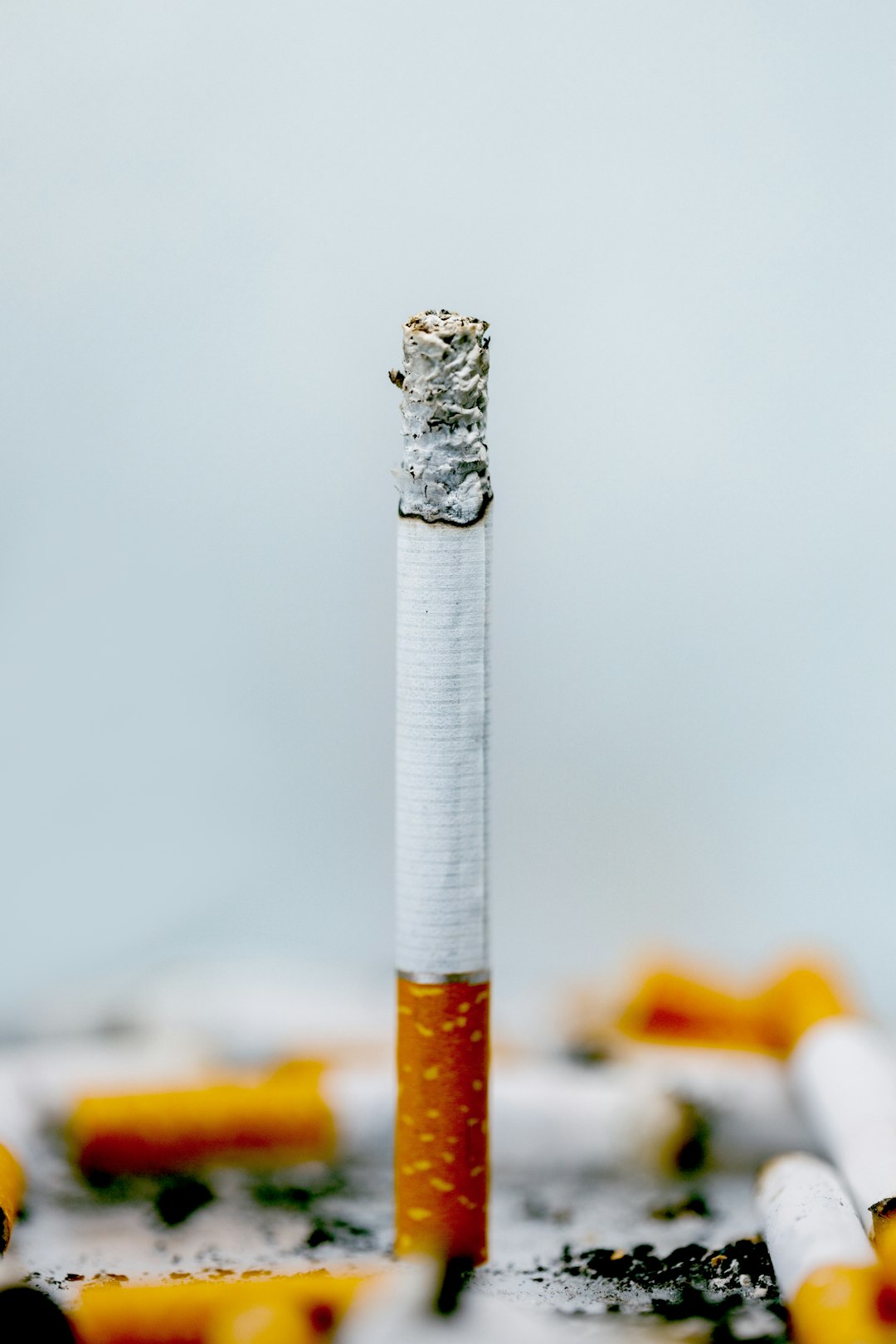
Collagen is the structural protein that keeps skin firm and elastic, and your body is constantly breaking it down and rebuilding it in a natural cycle. Cigarette smoke disrupts that balance by triggering a group of enzymes called matrix metalloproteinases, or MMPs, which break collagen down faster than the body can replace it. Smoke also introduces free radicals that add oxidative stress on top of the enzyme activity. The visible result: some research suggests smokers may develop 2 to 3 times more facial wrinkles than nonsmokers of the same age.
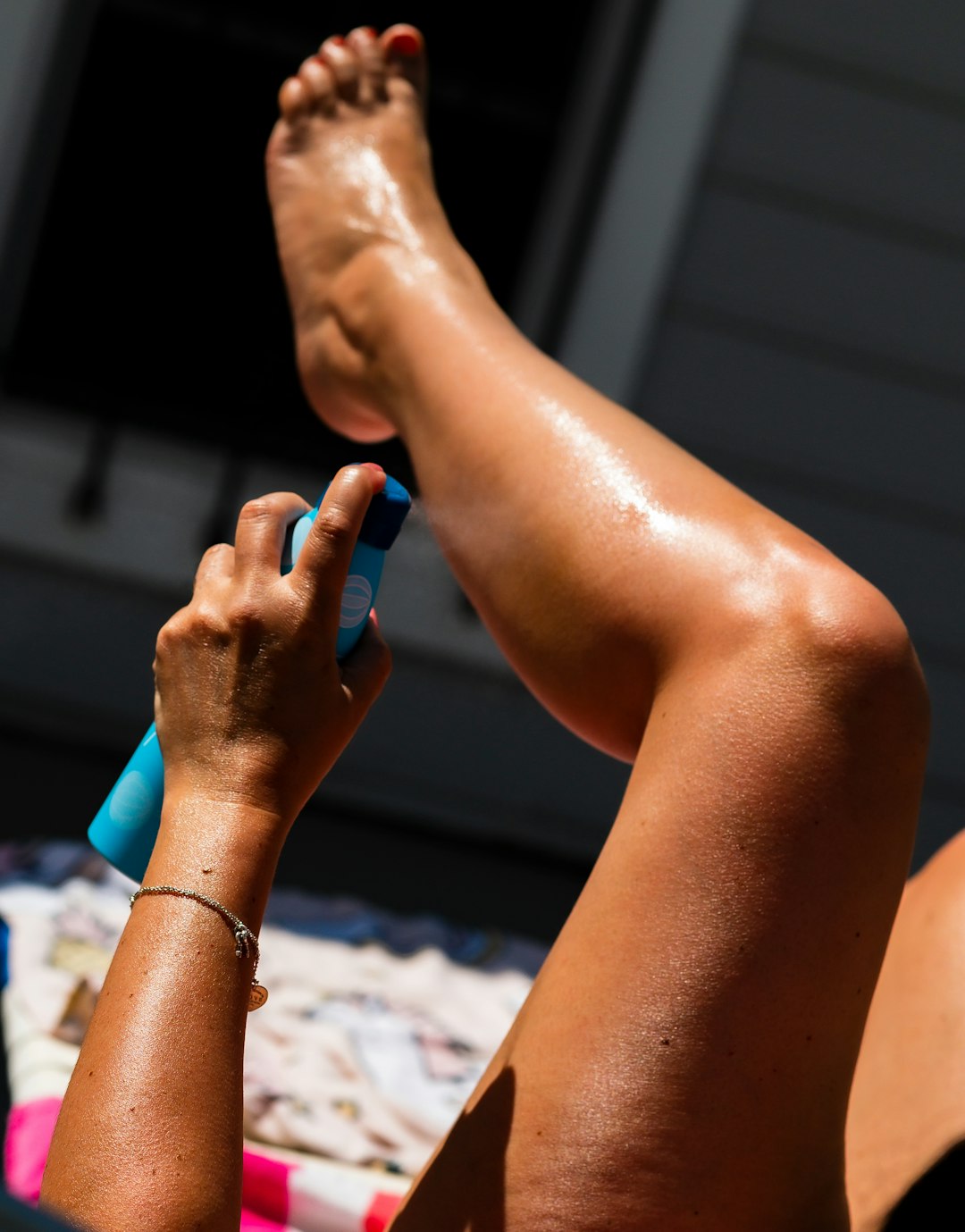
Unprotected sun exposure activates a strikingly similar pathway. Ultraviolet radiation switches on the same MMP enzymes, and it doesn't take a sunburn to do it—even routine, low-level sun exposure can keep this process switched on day after day. That's part of why dermatologists tend to emphasize daily sun protection rather than only reaching for sunscreen on obviously sunny days.
How Sugar Quietly Stiffens Your Skin From the Inside
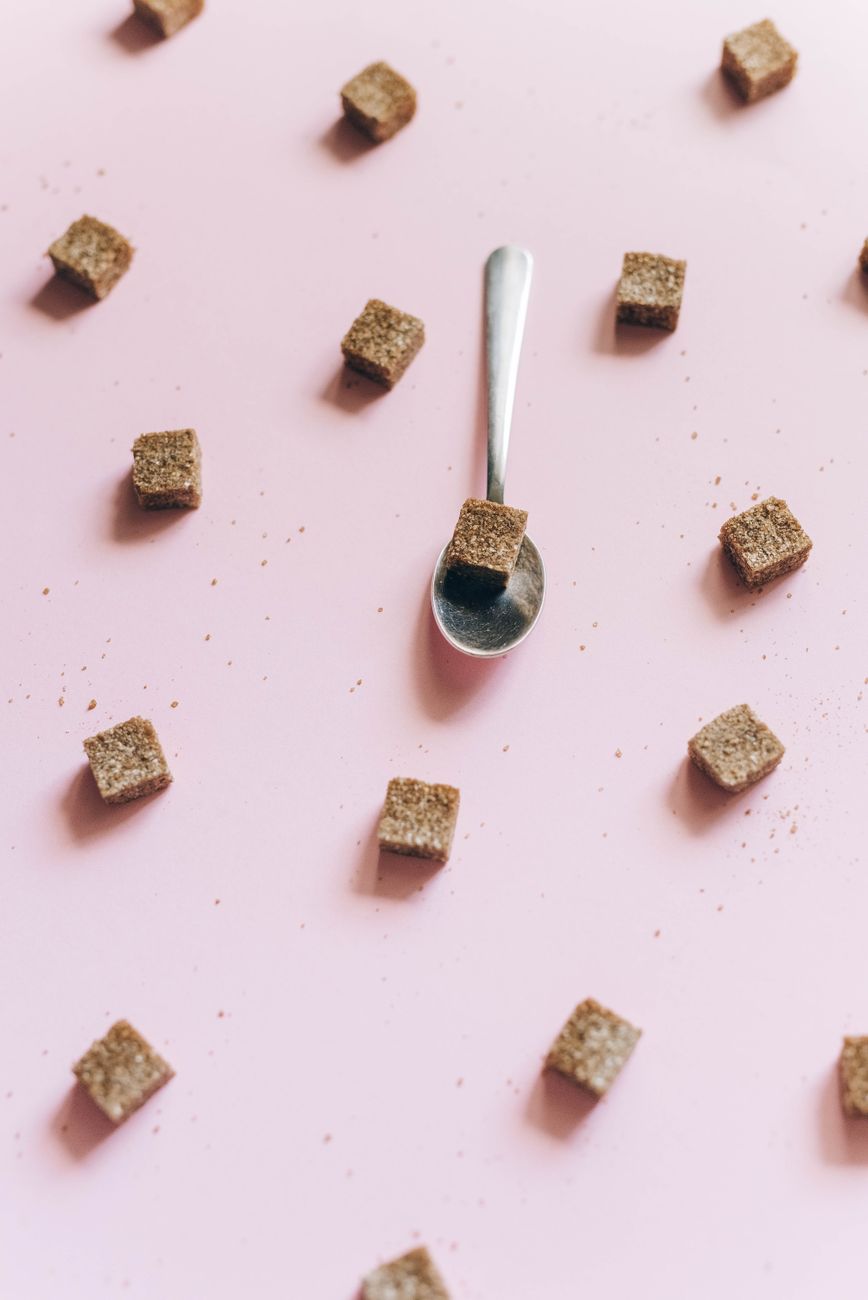
The third factor is less obvious because it doesn't involve anything touching your skin directly. When you regularly eat more added sugar than your body needs, excess glucose can bind to collagen fibers through a process called glycation. Over time, this forms stiff, cross-linked structures known as advanced glycation end products, or AGEs, which gradually replace the flexible collagen network that keeps skin supple. The practical effect is skin that looks duller and less elastic, with fine lines that may become more noticeable earlier than they otherwise would.
What Actually Helps Protect Your Skin's Collagen
Because all three habits act on the same underlying process, the most effective countermeasures target that process directly rather than just sitting on top of the skin.
- Quitting smoking may allow collagen to begin recovering within weeks. Some studies have found measurable improvement in as little as 4 to 8 weeks after quitting. Free coaching and support are available in the US through 1-800-QUIT-NOW.
- Wearing broad-spectrum sunscreen daily, not just at the beach, is one of the more well-studied habits for limiting UV-driven collagen breakdown. Clinical trials have linked consistent daily sunscreen use with meaningfully less visible wrinkling and pigmentation over time. Drugstores like CVS and Walgreens carry a wide range of SPF 30+ options for daily use.
- Cutting back on added sugar can help slow glycation before it locks into skin structure. The Dietary Guidelines for Americans recommend keeping added sugar under 10% of daily calories—for a 2,000-calorie diet, that's roughly 50 grams, or about 12 teaspoons. Reading labels on cereals, sauces, and sweetened drinks is often the easiest place to start, since added sugar hides in plenty of foods that don't taste overtly sweet.
The Bottom Line
None of these three habits act alone, and none of them cause damage overnight—but together, smoking, unprotected sun exposure, and a high-sugar diet are among the most well-documented everyday drivers of visible skin aging. Some research suggests that addressing all three at once—rather than relying on any single skincare product—may offer the most meaningful support for skin's collagen over the long run. Small, consistent changes, like applying sunscreen every morning or swapping a sugary snack for a piece of fruit, tend to add up more than an occasional splurge on anti-aging cream.