Sarcopenia After 60: 3 Changes That Slow Muscle Loss
Most U.S. adults eat about three times more protein at dinner than at breakfast. Here is how that gap, plus walking-only exercise, wears muscle down after 60.
If pushing up out of a low chair or carrying a bag of groceries up the stairs has started to feel like real work, it is easy to file that under normal aging and move on. Muscle does decline on its own: NIH-cited figures put the loss at roughly 3% to 5% per decade after age 30, with estimates reaching about 8% per decade between the ages of 65 and 80. But how fast that slide runs is not fixed, and two ordinary American habits tend to push it along faster than the calendar does — a coffee-and-toast breakfast, and an exercise routine that never goes past walking.
Aging Muscle Needs More Protein in One Sitting, Not Just More Overall
Older muscle answers a meal differently than young muscle does. Researchers call the change anabolic resistance: the same plate of food sets off a weaker muscle-building response, so the amount of protein needed at a single meal to switch that response on rises with age. Reviews of feeding studies put the practical target near 0.4 grams of protein per kilogram of body weight per meal, which works out to about 30 grams for a 165-pound adult — noticeably more than the amount that did the job at 30.
The catch is when that protein shows up. NHANES data on U.S. adults shows the average breakfast delivers about 13 grams of protein against 38 grams at dinner, so the first meal of the day rarely clears the threshold at all. The skew looks like it matters on its own: when the same daily protein total was spread evenly across three meals instead of stacked at night, 24-hour muscle protein synthesis ran roughly 25% higher, and adults who take a larger share of their protein at breakfast tend to carry more muscle and test stronger on grip than those who load up at dinner.
Walking Keeps the Heart Busy but Barely Speaks to Muscle
A daily walk is genuinely worth doing, and nothing here argues otherwise. It simply is not the signal muscle listens for — aerobic work maintains endurance, while the cue that tells a fiber to hold its size comes from resistance. The gap shows up in the national numbers: CDC data has only about 14% of Americans 65 and older meeting the federal guideline for both aerobic activity and muscle-strengthening on two days a week, and a 2025 analysis of adults aged 65 to 75 found that doing no strength exercise in a typical week was linked to a higher likelihood of sarcopenia.
The reverse shows up in the research too. Systematic reviews of older adults already diagnosed with sarcopenia report that supervised resistance training improved grip strength and gait speed, along with the ability to rise from a chair. Worth knowing going in: the gains in those trials were consistent but moderate rather than dramatic. The value is in the direction of travel, not a transformation.
3 Adjustments That Actually Hold Muscle
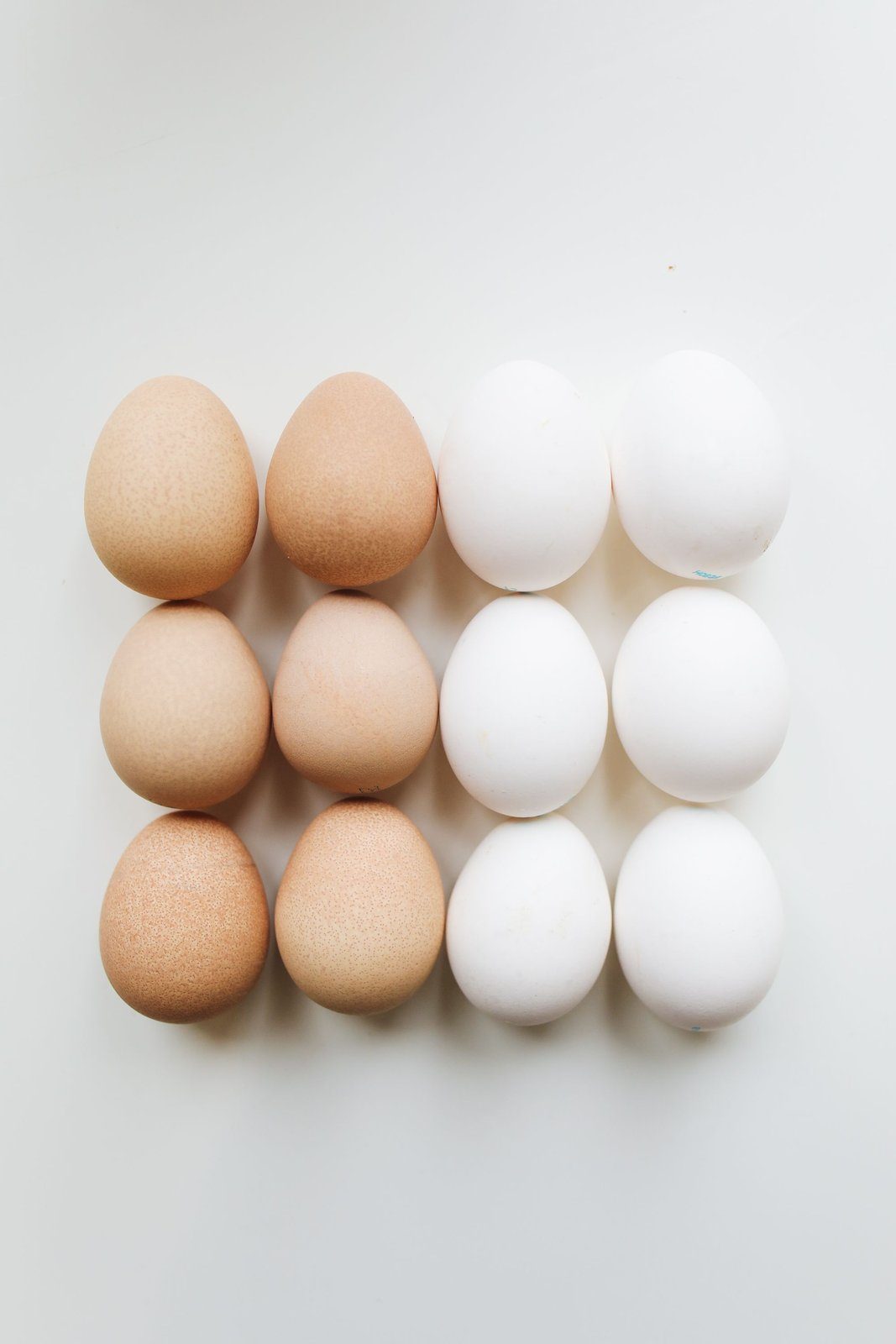
- Get 25 to 30 grams of protein onto the breakfast plate — a cup of cottage cheese or plain Greek yogurt lands near 24 grams on its own, and two eggs with a glass of milk gets to a similar place. Nothing else about breakfast has to change.
- Book two short strength sessions into the week — a set of resistance bands or a pair of light dumbbells covers it, and sit-to-stands from a kitchen chair, wall push-ups, and stair step-ups need no equipment at all. Two days a week is the guideline itself, not a level you have to work up to.
- Switch to softer protein when chewing gets tiring — if steak and raw vegetables have quietly dropped off the menu, canned tuna or salmon, ground meat, scrambled eggs, cottage cheese, and lentil soup keep the protein without the jaw work. The habit to watch for is replacing that meat with toast or broth alone.
Where to Start Tomorrow Morning
If only one thing changes this week, make it breakfast: add a single protein food to whatever you already eat — a cup of Greek yogurt, two eggs, a scoop of cottage cheese — and leave the rest of the day alone. That is the meal where the shortfall is widest, so it is also where a small addition counts for the most, and the strength sessions can start next week. This article is general health information, not medical advice. If weakness came on quickly, or if standing and walking have become difficult, that is worth raising with a doctor rather than managing on your own.
Related articles
 3 min read5 views
Numb, Swollen Hands and Feet: It's Not Just Aging
Numb, cold, or swollen hands and feet aren't always just aging. Fatty broths, creamer coffee, and fruit juice can affect circulation and fluid balance.
 3 min read5 views
The Real Reason Your Hands and Feet Stay Cold Indoors
Cold hands and feet indoors aren't only about circulation - caffeine, cold drinks, and fried food can each narrow blood flow to your fingers and toes.
 4 min read9 views