Foamy Urine and Puffy Ankles Aren't the Kidney Warning You Think
Sodium makes nearly anyone hold water, while early kidney disease stays silent. What puffiness and foam really mean, and how one label check helps.

You had takeout two nights in a row, and now your rings feel tight, your ankles look puffy, and there is more foam in the toilet bowl than usual. Ten minutes of searching later you are half-convinced your kidneys are giving out. That leap is understandable, but it skips a far more ordinary explanation. Sodium makes almost anyone hold onto water, and real kidney disease usually shows up in lab numbers long before it shows up as anything you can see. Here is what those two signs actually tell you, and where your sodium is genuinely coming from.
Why Salt Makes You Hold Water in the First Place
Sodium is the mineral that controls how much fluid sits in your body. The National Institute of Diabetes and Digestive and Kidney Diseases (NIDDK) describes the chain plainly: too much sodium causes your blood to retain fluids, and retained fluid raises blood pressure and causes swelling, putting stress on both the kidneys and the heart. That is a normal response to a salty meal, not a diagnosis, and it settles as the extra sodium clears.
Swelling caused by kidney disease behaves differently in one important way. NIDDK notes that edema in chronic kidney disease turns up in the legs, feet and ankles, less often in the hands or face, and that it is more common once kidney disease is already advanced or when a lot of protein is leaking into the urine. Most people in the early stages have no symptoms at all. The only way to actually know is a blood test for GFR and a urine test for albumin, either a dipstick or a urine albumin-to-creatinine ratio.
Foam is even easier to misread. Cleveland Clinic's position is that occasional foamy urine is common for everyone. A fast, forceful stream produces it, so does leftover toilet cleaner, and so does mild dehydration. What matters is the pattern: foam that appears regularly, takes more than one flush to clear, or looks thick and white is the version worth raising with a clinician, because it can point to protein in the urine.
Where the Sodium Is Actually Coming From
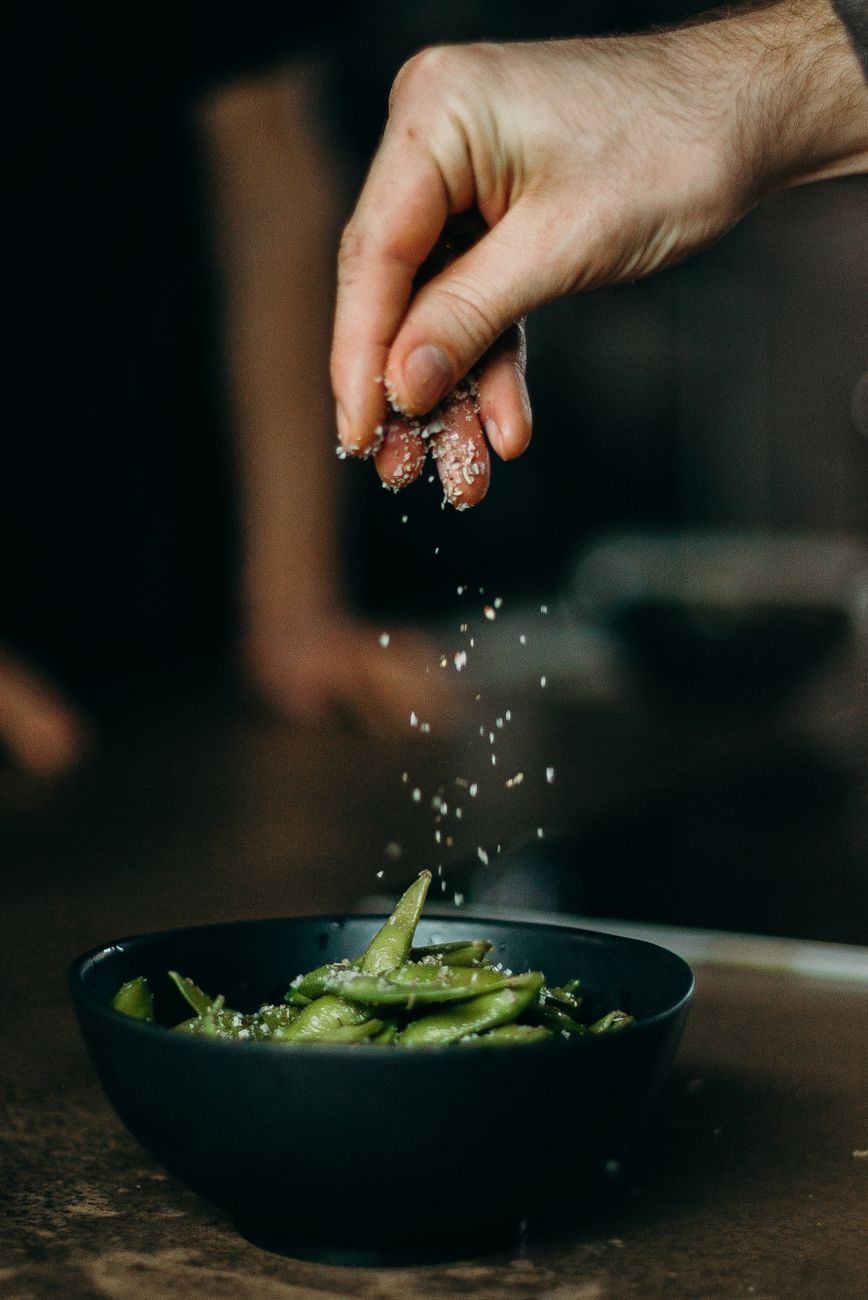
Nine out of ten Americans take in more sodium than they need, and the general guidance for adults and teens aged 14 and over is no more than 2,300 mg a day. The bigger surprise is the source. Very little arrives from the salt shaker. NIDDK lists canned foods, many frozen foods, most processed meats, chips and crackers, and condiments such as ketchup, mustard, barbecue sauce, soy sauce and teriyaki sauce as the heavy contributors.

Broth-based and instant foods sit squarely in that group. Federal nutrition guidance singles out instant flavored foods such as flavored rice and noodles alongside deli meats, sausages, sauces and dressings. None of these taste dramatically saltier than one another, which is precisely why the label tells you more than your tongue does.
What Changes When You Start Reading the Label
The useful shift here is not deleting a food group. It is noticing that two products sitting side by side on the same shelf can differ enormously in sodium, and the Nutrition Facts panel is the only place that gap becomes visible. A %Daily Value of 5% or less per serving counts as low in sodium, and 20% or more counts as high — that one comparison does most of the work.
- Compare two labels before either goes in the cart — soups, sauces and frozen meals vary widely between brands, and "low sodium" or "no salt added" labels are helpful but not the only low options.
- Drain and rinse canned beans, vegetables and fish — running water over them washes away part of the added salt before it reaches your plate.
- Season with herbs, lemon juice and hot peppers rather than salt substitutes — NIDDK specifically advises using spices and herbs instead of substitutes, which can be high in potassium, and limiting products with potassium chloride on the ingredient list. That caution matters most if your kidneys are already under strain.
- Ask for no added salt when you eat out — and take dressings and sauces on the side so you control the amount.
When to Stop Guessing and Get It Checked
Swelling and foam both have long lists of possible causes, and sorting between them is not something a search bar can do. Cleveland Clinic advises reaching out to a healthcare provider if foamy urine lasts more than a few days, gets worse, or appears alongside swelling around the hands or feet, extreme tiredness, nausea and vomiting, loss of appetite, or urine that is dark, cloudy or bloody. Blood in the urine, fever, or severe pain are reasons to be seen promptly rather than to wait and watch; if symptoms are sudden and severe, that is a 911 call, not a next-week appointment.
Risk also shapes how closely this is worth tracking. NIDDK flags diabetes, high blood pressure, heart disease, a family history of kidney failure, and increasing age as the main risk factors for chronic kidney disease, and recommends testing rather than symptom-watching for anyone in that group. So here is the question worth sitting with for a second: of everything you ate in the past two days, how many items would you actually be able to name the sodium number for? This article is general information, not medical advice, and it is no substitute for a conversation with your own clinician.
Related articles
 3 min read4 views
Bladder Won't Calm Down? 3 Everyday Foods Making Cystitis Worse
Caffeine, capsaicin-rich spicy food, and soda can each irritate the bladder lining and prolong cystitis symptoms. Here's the research and easy swaps that help.
 5 min read0 views
Uterine Fibroids Aren't Just Heavy Periods: What Research Says
Uterine fibroids reach up to 80% of US women by age 50. See what NIH, ACOG and OWH sources say about red meat, beer, dairy and vitamin D levels.
 7 min read0 views