Blood Pressure Spikes: 3 Everyday Triggers Most People Miss
Energy drinks, black licorice and packaged food can push blood pressure up faster than most people expect. What US health agencies say, and when to call 911.

A chest that suddenly pounds, a stiff neck, a headache that arrives out of nowhere — plenty of ordinary things cause those, and high blood pressure often causes none of them at all. That is exactly why it gets called silent: most people feel nothing while their numbers drift up. But a few very ordinary things you drink and eat can move a reading measurably within an hour, and two of them slip past because nobody thinks of them as salty or strong. Here is what US health agencies actually say about them, and what is worth changing first.
Caffeine and Black Licorice Move Faster Than You Think
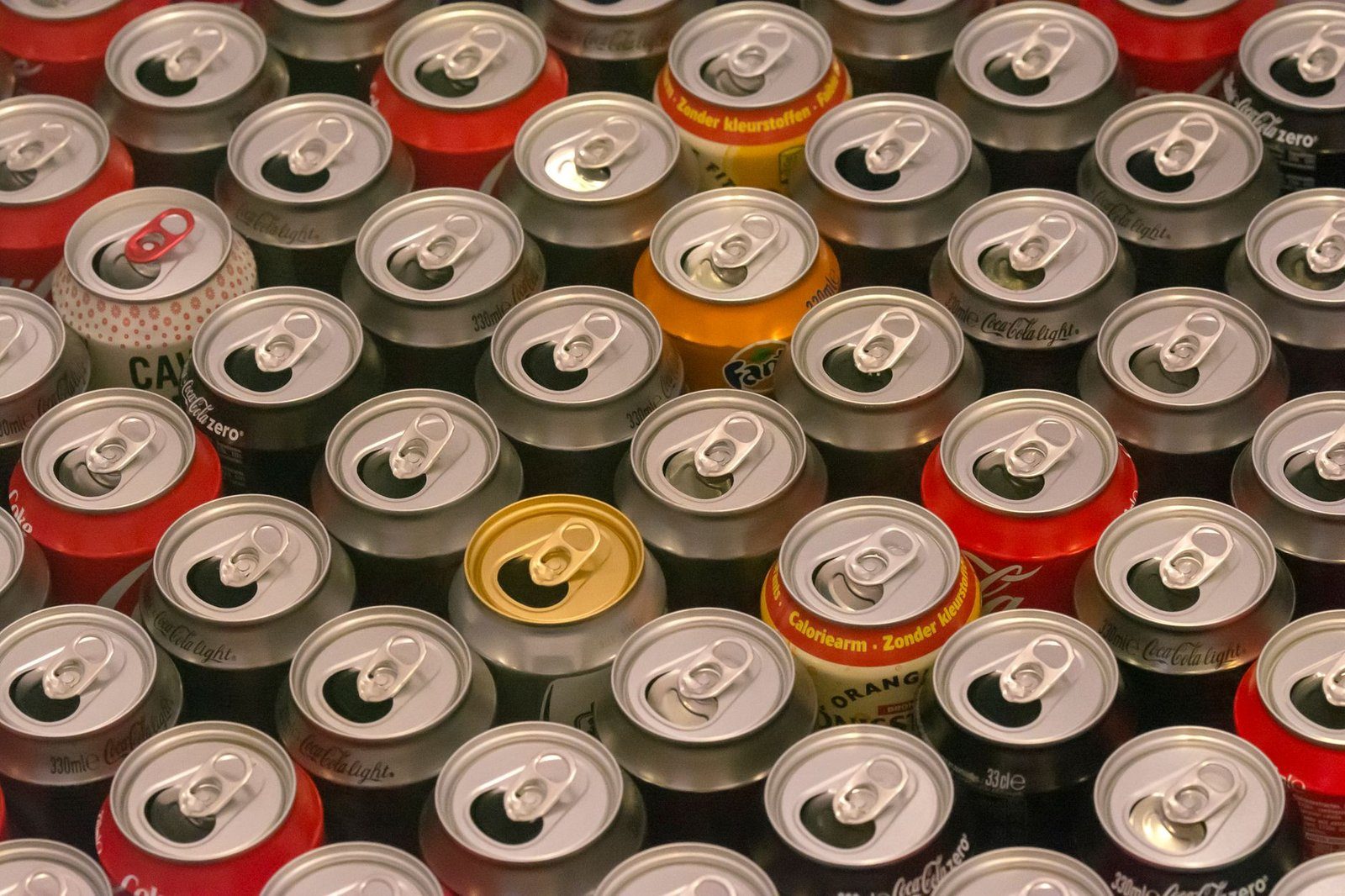
Caffeine is not neutral for blood pressure. MedlinePlus, the National Library of Medicine's consumer service, lists raising blood pressure among caffeine's direct effects on the body, notes that it peaks in the blood within an hour of drinking it, and says the effects can last another four to six hours. For most adults, up to 400 mg a day is not considered harmful, and an 8-ounce energy drink carries roughly 70 to 100 mg — though most cans on the shelf hold considerably more than 8 ounces.
The size of the short-term bump has been measured. A meta-analysis in Annals of Pharmacotherapy pooled 15 studies of people drinking a commercially available energy drink and found systolic pressure rose by 4.44 mm Hg and diastolic by 2.73 mm Hg on average. The drinks delivering 200 mg of caffeine or more produced the biggest shift, 6.44 mm Hg systolic. Small numbers on a normal reading; less small if yours already sits high.
Black licorice is the stranger one. Its active compound, glycyrrhizin, quietly tells the kidneys to hold sodium and dump potassium. The National Center for Complementary and Integrative Health warns that glycyrrhizin can cause serious effects including irregular heartbeat, and that even small amounts have been linked to severe problems in people who eat a lot of salt, already have hypertension, or have heart or kidney conditions. A 2024 randomized crossover trial in the American Journal of Clinical Nutrition tested 100 mg of glycyrrhizic acid daily — the level the World Health Organization had treated as unlikely to cause harm — and found home systolic pressure rose 3.1 mm Hg over two weeks, with renin and aldosterone both suppressed. One useful detail from NCCIH: many candies sold as licorice in the US are flavored with anise oil and contain no actual licorice, so the label decides whether this applies to you.
The Sodium You Never Added Yourself
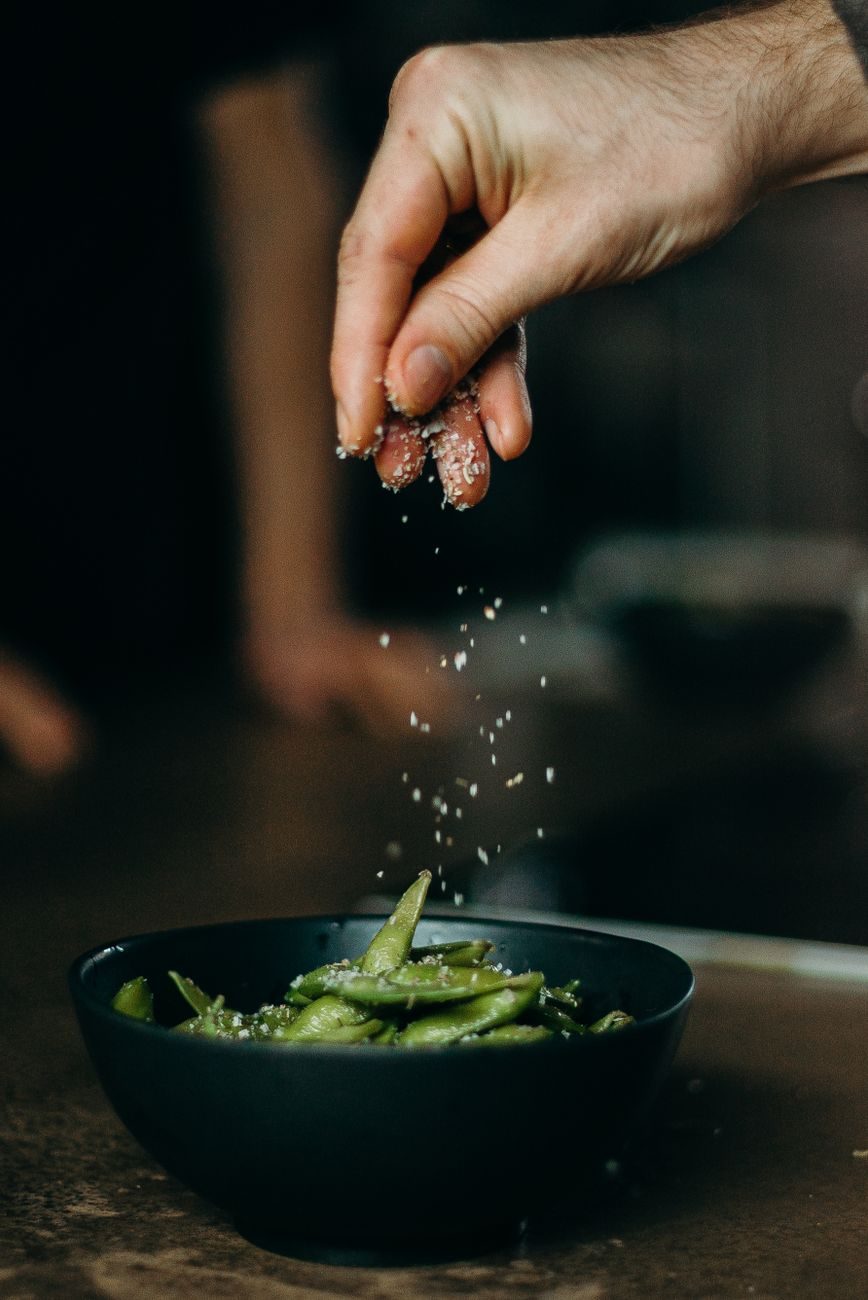
The saltshaker gets the blame and deserves very little of it. The American Heart Association puts average US intake at about 3,400 mg of sodium a day against its recommended ceiling of 2,300 mg and an optimal target of 1,500 mg — and notes that more than 70% of that sodium arrives in packaged, prepared and restaurant food, not from anything you sprinkle. Bread, deli meat, canned soup and a restaurant entree can clear the daily limit before dinner is over.
The encouraging part is that the fix does not have to be total. The AHA's own framing is that for most people, cutting back by 1,000 mg a day can improve blood pressure. The NHLBI's DASH eating plan works the same way: 2,300 mg is the standard target, 1,500 mg lowers pressure further, and the plan leans on foods rich in potassium, calcium, magnesium and fiber rather than on deprivation.
3 Changes That Actually Move the Needle
- Cap the caffeine, do not quit it — Check the can rather than the cup. If one drink is putting 200 mg or more into your afternoon, that is the one worth swapping for decaf coffee, plain tea or sparkling water; the 400 mg daily figure is a ceiling for healthy adults, not a goal.
- Read the label on anything that tastes like licorice — Real licorice hides in candy, herbal teas and some supplements. If glycyrrhizin or licorice root appears on the ingredient list and you have high blood pressure or take a diuretic, that is a conversation for your doctor or pharmacist, not a guessing game.
- Take 1,000 mg of sodium off the day, not all of it — Pick the two packaged items you eat most often, compare labels, and switch to the lower-sodium version. Adding potassium-rich produce helps on the other side of the ledger, and nitrate-rich vegetables may contribute something separate: a meta-analysis of 16 randomized crossover trials in the Journal of Nutrition found inorganic nitrate or beetroot juice supplementation lowered systolic pressure by 4.4 mm Hg against placebo — though those trials were small (254 participants in total) and ran from two hours to 15 days, so the authors called for longer ones.
When a High Reading Is an Emergency
None of the above replaces a cuff. The American Heart Association's rule is specific: a reading higher than 180/120 mm Hg means wait five minutes and measure again. If the second reading is just as high and you have no symptoms, contact your health care professional promptly — this is usually severe hypertension rather than a hospital trip. If it is that high and you also have chest pain, shortness of breath, back pain, numbness, weakness, a change in vision or difficulty speaking, call 911 and do not wait to see whether it settles. And whatever you read about food, never stop or adjust a prescribed blood pressure medication on your own; that decision belongs to the person who prescribed it.
If you want one thing to do tonight, make it the smallest one: pull the two packaged foods you eat most weeks out of the cupboard and compare the sodium per serving on the back. Switching to the lower-sodium version is the kind of small change behind the AHA's point that even 1,000 mg less a day can improve blood pressure, and the comparison itself takes about two minutes. This article is general health information, not medical advice or a diagnosis — if your readings are high, if symptoms keep coming back, or if you are unsure whether any of this applies to you, talk it through with a doctor.
Related articles
 3 min read6 views
The Real Reason Your Hands and Feet Stay Cold Indoors
Cold hands and feet indoors aren't only about circulation - caffeine, cold drinks, and fried food can each narrow blood flow to your fingers and toes.
 5 min read0 views
Lactose Intolerance: Milk Upsets You but Aged Cheddar Doesn't
About 36% of people in the U.S. don't fully digest lactose, yet many handle around 12 grams at a time. Here's how to keep dairy without the cramps.
 4 min read0 views